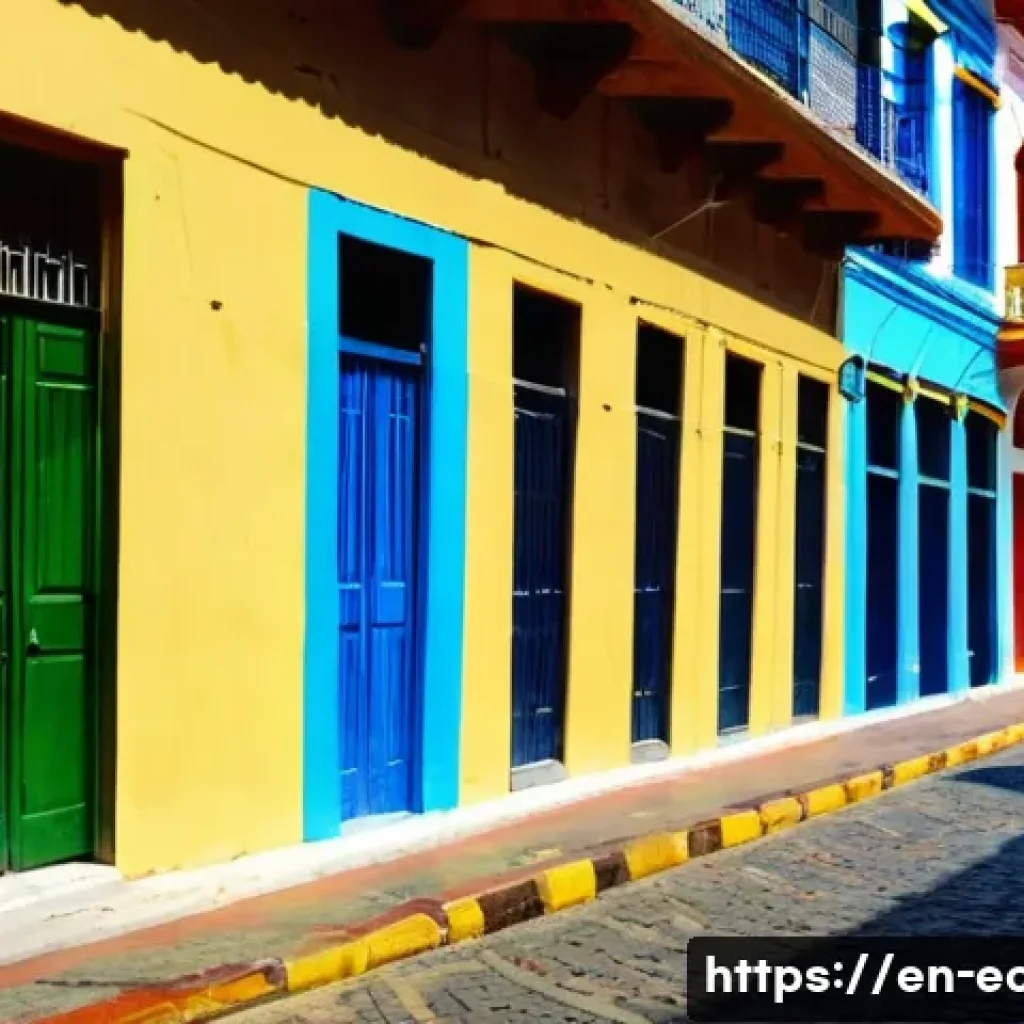
Traveling to Guayaquil offers vibrant culture and beautiful sights, but like many bustling cities, it has areas where caution is necessary. Understanding which neighborhoods to avoid and how to stay safe can make your trip much more enjoyable and stress-free.
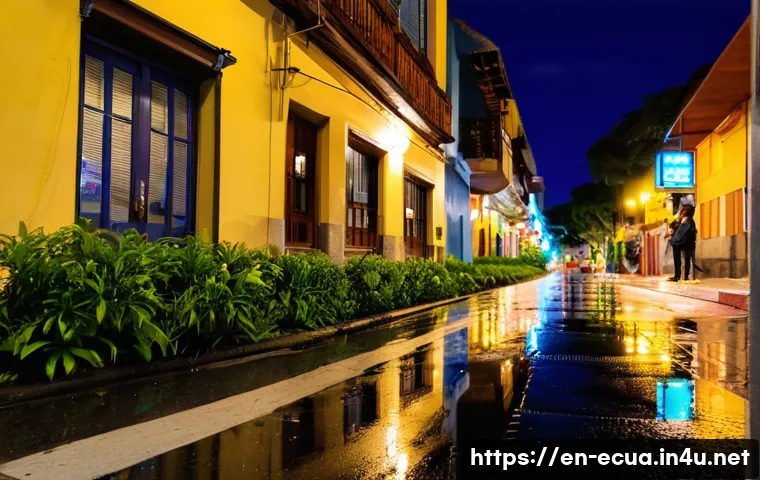
Local insights and up-to-date information are key to navigating the city confidently. Whether you’re strolling along the Malecón or exploring markets, knowing the safe zones is essential.
Let’s dive into the details to ensure your visit to Guayaquil is both memorable and secure! I’ll walk you through everything you need to know.
Choosing Neighborhoods That Blend Safety and Local Charm
Understanding Guayaquil’s District Landscape
Guayaquil is a city of contrasts, with neighborhoods that range from bustling commercial hubs to quiet residential areas. Some parts have earned reputations for being less safe, especially after dark, due to petty crime or lack of police presence.
For visitors, it’s crucial to pick neighborhoods that offer a blend of safety and authentic local atmosphere. Areas like Las Peñas, which is rich in history and art, tend to have a welcoming vibe and are frequently patrolled by security forces.
On the other hand, neighborhoods farther from the city center might be less developed and require more vigilance. Knowing the character of each district can help you enjoy your trip without unnecessary worry.
Where to Stay for Peace of Mind
When I first planned my trip, I chose to stay in the northern part of Guayaquil, around Urdesa or Samborondón. These neighborhoods have a reputation for being safer and offer plenty of amenities such as restaurants, shopping centers, and parks.
The streets are well-lit and busy even at night, which naturally discourages criminal activity. Hotels and Airbnb options here often include security features like gated entrances or 24-hour reception, which really helped me feel at ease after long days of exploring.
If you’re someone who enjoys walking around after sunset or trying out local eateries late into the evening, these areas are your best bet.
What to Avoid in Residential Areas
Some residential zones, particularly in the southern parts of the city like parts of Guasmo or Mucho Lote, are known to be less secure. While locals live here comfortably, tourists unfamiliar with the area might feel vulnerable.
These neighborhoods often lack street lighting and have fewer police patrols, making them hotspots for opportunistic crimes like pickpocketing or muggings.
If your itinerary includes visiting friends or family in such neighborhoods, it’s a good idea to use trusted transport options and avoid wandering off main roads, especially after dark.
I found that even taxi drivers are cautious when asked to go to these places late at night.
Smart Travel Habits to Keep You Safe
Using Transportation Wisely
Getting around Guayaquil can be tricky if you’re not familiar with the city’s layout or safety issues. I quickly learned that relying on official taxis or ride-hailing apps like Uber is much safer than flagging down random cabs on the street.
These services have driver ratings and GPS tracking, which adds an extra layer of security. Avoid public buses after dark since they can be crowded and sometimes targeted by pickpockets.
Also, if you’re taking a taxi, make sure it’s properly licensed, which you can usually verify by the driver’s ID displayed inside the car. A little caution here goes a long way in preventing stressful situations.
Keeping Valuables Out of Sight
One of the biggest mistakes travelers often make is openly displaying expensive items like smartphones, cameras, or flashy jewelry. In busy areas like markets or the Malecón, thieves tend to target people who seem distracted or are visibly carrying valuables.
I personally switched to a smaller, concealed bag that I kept close to my body, which made me feel a lot more secure. It’s also wise to carry only the cash you need for the day and keep extra credit cards or passports safely locked in your hotel safe.
These small habits can significantly reduce your chances of becoming a victim of theft.
Staying Alert and Blending In
Blending in with locals is a surprisingly effective way to avoid unwanted attention. Wearing casual, non-touristy clothing and keeping a low profile helps you avoid standing out as a target.
I found that learning a few basic Spanish phrases and using them when ordering food or asking for directions made locals more willing to help me and less likely to see me as just another tourist.
Always stay aware of your surroundings, especially in crowded places or when using public transport. If something feels off, trust your instincts and remove yourself from the situation calmly.
Essential Safety Tips for Exploring Popular Attractions
Visiting the Malecón and Waterfront Areas
The Malecón is one of Guayaquil’s crown jewels, offering stunning views of the Guayas River and a lively promenade filled with restaurants, street performers, and vendors.
While it’s generally safe during the day and early evening, I noticed that parts of it can get quite deserted late at night. It’s best to visit the Malecón in groups or pairs and avoid wandering into poorly lit side streets.
Keep an eye on your belongings, especially during festivals or weekends when crowds swell. Many locals and tourists enjoy jogging or cycling here, so it’s a good idea to follow their lead and stay within well-populated areas.
Exploring Markets and Local Bazaars
Markets like Mercado Artesanal or Mercado Sur offer an incredible glimpse into local culture and cuisine, but they also require a bit of street smarts.
These places are bustling with activity and can be overwhelming, especially if you’re carrying bags or cameras. I made it a habit to keep my wallet in a front pocket and avoid getting too close to strangers who suddenly appear very friendly or pushy.
Bargaining is part of the experience, but always stay polite and firm. If you’re unsure about a vendor or feel uncomfortable, it’s perfectly okay to walk away and explore another stall.
Nighttime Entertainment and Dining
Guayaquil’s nightlife is vibrant, with plenty of bars, clubs, and late-night eateries to choose from. I found that sticking to well-known venues or those recommended by locals ensured a safer night out.

Avoid accepting drinks from strangers or leaving your drink unattended to prevent any unwanted surprises. If you plan to use public transportation late at night, arrange for a taxi or rideshare in advance rather than waiting on the street.
Also, try to travel in groups when possible, as this naturally deters potential troublemakers and makes the night more enjoyable.
Recognizing and Avoiding Common Tourist Scams
Street Scams and How to Spot Them
Like many popular destinations, Guayaquil has its share of street scams targeting tourists. One common trick involves overly friendly strangers who offer unsolicited help with directions or money exchange, only to demand payment afterward.
I encountered this myself when someone approached me near the bus terminal claiming to be a “guide” but turned out to be asking for a tip. The best defense is to politely decline assistance and rely on official sources for information.
If you need directions, using a map app or asking staff inside stores or hotels is much safer.
Fake Taxi and Ride Requests
Unlicensed taxis or unofficial ride offers can pose serious risks. Some drivers may overcharge or take longer routes to increase the fare. I always checked that the taxi had a visible license number and used apps that provide fare estimates before hopping in.
If a driver refuses to use the meter or seems aggressive, it’s better to get out and find another ride. Staying alert and planning your transport ahead saves both money and hassle.
Currency Exchange Pitfalls
Exchanging money on the street or with unofficial vendors can result in receiving counterfeit bills or unfair rates. When I needed to convert cash, I always used banks or authorized exchange offices.
These places are regulated and provide accurate rates with receipts. Avoid exchanging money at the airport unless absolutely necessary, as their rates tend to be less favorable.
Carrying a small amount of local currency before arrival also reduces the need for urgent exchanges in unfamiliar places.
Emergency Contacts and Resources for Travelers
Key Phone Numbers to Keep Handy
Having important numbers saved on your phone or written down can be a lifesaver. In Guayaquil, the general emergency number is 911, which covers police, fire, and medical emergencies.
There are also tourist police units that specifically assist visitors; their presence in popular areas like the Malecón adds an extra layer of security.
If you find yourself in a difficult situation, don’t hesitate to call them for help. I kept these numbers easily accessible and even shared them with fellow travelers I met, which helped everyone feel more secure.
Local Medical Facilities and Pharmacies
Knowing where to find medical help is essential, especially if you have allergies, chronic conditions, or simply want peace of mind. Guayaquil has several reputable hospitals and clinics, such as Hospital Luis Vernaza and Clínica Kennedy, which offer emergency services and multilingual staff.
Pharmacies are abundant and usually open late, with many located near main tourist spots. During my trip, I always carried a small first aid kit and some basic medications, but knowing the locations of these facilities gave me confidence that help was nearby if needed.
Helpful Apps and Online Resources
Technology can be your best travel companion when navigating safety concerns. Apps like Google Maps help avoid unsafe areas by showing busy routes and user reviews.
Ride-hailing apps offer GPS tracking and driver info, while translation apps break down language barriers. I also followed local social media pages and travel forums for real-time updates on any incidents or safety tips.
These resources made a big difference, allowing me to plan my days efficiently and avoid surprises.
| Neighborhood | Safety Level | Best For | Precautions |
|---|---|---|---|
| Las Peñas | High | Historical sites, art, dining | Stay on main streets after dark |
| Urdesa | High | Shopping, nightlife, dining | Use official taxis at night |
| Samborondón | High | Residential, family-friendly | Avoid isolated areas at night |
| Guasmo | Low to Moderate | Local residential areas | Use trusted transport, avoid nighttime walks |
| Mucho Lote | Low | Outskirts, less developed | Exercise caution, especially after dark |
Wrapping Up
Choosing the right neighborhoods in Guayaquil greatly enhances your travel experience by balancing safety with local charm. Staying informed about the city’s districts and practicing smart travel habits can help you enjoy your visit without unnecessary stress. Remember, a bit of preparation goes a long way in making your trip both enjoyable and secure.
Useful Tips to Keep in Mind
1. Always opt for neighborhoods with good lighting and active security presence, like Urdesa or Las Peñas, to feel safer during your stay.
2. Use official taxis or trusted ride-hailing apps rather than hailing cabs on the street, especially after dark.
3. Keep valuables out of sight and carry only what you need for the day to avoid attracting unwanted attention.
4. Blend in with locals by dressing casually and learning basic Spanish phrases to build rapport and avoid standing out as a tourist.
5. Save emergency contacts and know the locations of nearby medical facilities before your trip for quick access if needed.
Key Takeaways
Safety in Guayaquil hinges on choosing the right areas, staying vigilant, and using reliable transportation. Prioritize well-known neighborhoods with good security, avoid poorly lit or isolated spots after dark, and be cautious of common scams. Staying alert, respecting local customs, and preparing in advance will ensure a smooth and memorable visit to this vibrant city.
Frequently Asked Questions (FAQ) 📖
Q: Which neighborhoods in Guayaquil should travelers avoid for safety reasons?
A: While Guayaquil is generally welcoming, some neighborhoods like Mucho Lote, certain parts of the suburb of Durán, and areas on the city’s outskirts can be riskier due to higher crime rates.
It’s best to steer clear of poorly lit or isolated spots, especially at night. Sticking to popular tourist-friendly areas like the Malecón 2000, Las Peñas, and Puerto Santa Ana can help ensure a safer experience.
Q: What are the best safety tips for tourists exploring Guayaquil?
A: From my own visits, I found that staying aware of your surroundings and avoiding flashy displays of valuables go a long way. Use registered taxis or ride-sharing apps instead of hailing cabs off the street, and always keep your belongings close.
When walking around, especially in crowded markets or public transport, watch out for pickpockets. Also, ask locals or your hotel staff for current safety updates—they often provide the most accurate, on-the-ground advice.
Q: Are there any specific times or events when extra caution is needed in Guayaquil?
A: Absolutely. During major festivals or weekends, popular areas can get crowded, which unfortunately increases petty theft risks. Nighttime in less busy neighborhoods can also be unsafe.
I recommend planning your outings during daylight hours and avoiding isolated places after dark. If attending large events, stay with a group and keep emergency contacts handy.
Being prepared helps you enjoy Guayaquil’s vibrant culture without worry.