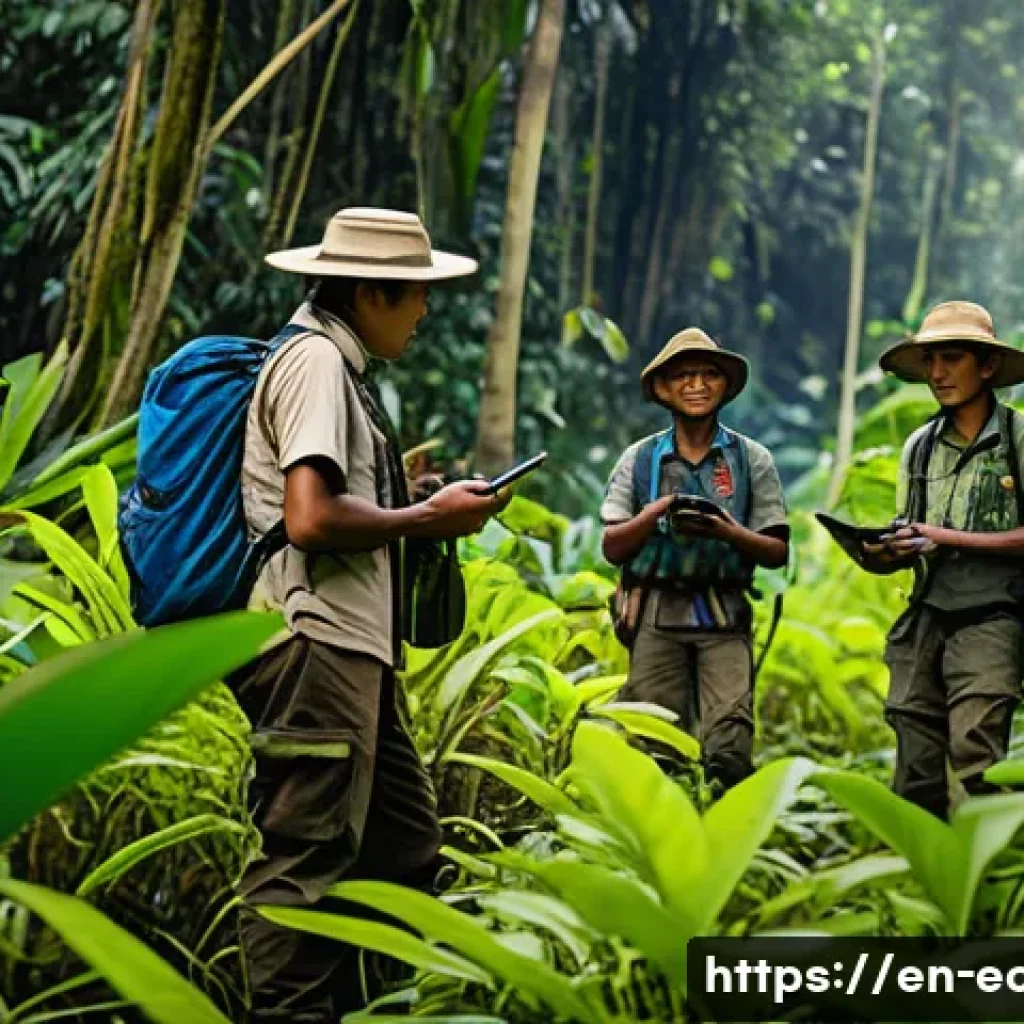
Ecuador, a country renowned for its rich biodiversity, plays a crucial role in wildlife conservation. From the lush Amazon rainforest to the unique Galápagos Islands, protecting native species has become a passionate mission for locals and organizations alike.
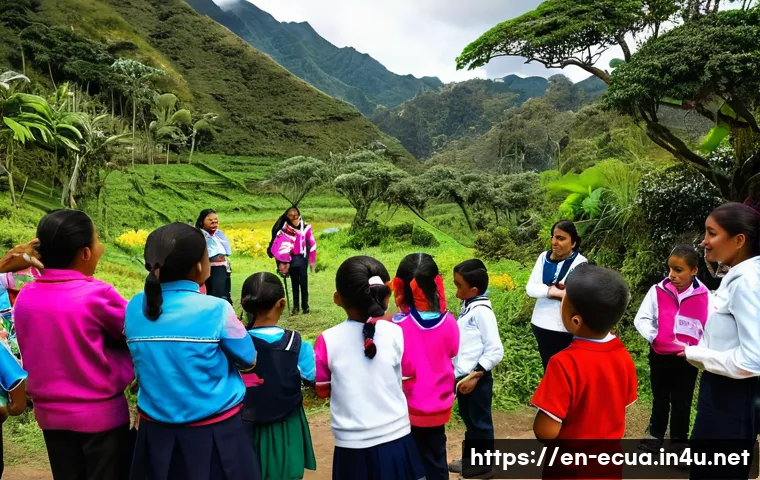
These efforts not only preserve delicate ecosystems but also support sustainable tourism and community livelihoods. However, challenges such as habitat loss and illegal poaching continue to threaten wildlife populations.
Understanding how conservation initiatives work on the ground reveals the dedication behind safeguarding Ecuador’s natural treasures. Let’s dive deeper and explore these inspiring efforts in detail!
Community-Driven Conservation Initiatives
Empowering Local Guardians
One of the most inspiring aspects of conservation in Ecuador is how local communities are actively involved in protecting their natural surroundings. Many indigenous groups and rural villagers serve as the first line of defense for wildlife, often patrolling forests and reporting illegal activities.
Their intimate knowledge of the land and species helps conservationists tailor strategies that truly work on the ground. For example, in the Amazon basin, community rangers have successfully reduced poaching incidents by combining traditional practices with modern monitoring tools.
I’ve heard from several volunteers that working alongside these local guardians offers a unique perspective on conservation, blending cultural respect with environmental stewardship.
Education and Awareness Programs
Education plays a huge role in shaping attitudes toward wildlife protection. Ecuadorian NGOs frequently organize workshops and school visits to teach younger generations about the value of biodiversity.
These programs not only highlight the ecological importance of species like the Andean condor or the pink river dolphin but also emphasize how sustainable living benefits communities economically.
In towns near protected areas, residents often report that understanding the connection between wildlife and tourism revenue motivates them to support conservation efforts wholeheartedly.
From my experience visiting these places, the enthusiasm among youth and adults alike is palpable and contagious.
Community-Based Ecotourism Models
Another crucial way locals contribute is through ecotourism ventures that balance economic growth with environmental protection. Small-scale lodges, guided wildlife tours, and artisanal craft markets all provide sustainable income sources while encouraging visitors to respect nature.
Many of these enterprises are cooperatively owned, ensuring that profits are reinvested into conservation projects and community services. I recall a trip to a community-run reserve near the Galápagos where the guides passionately shared stories about their conservation work, making the experience deeply meaningful beyond just sightseeing.
Innovative Technology in Wildlife Monitoring
Camera Traps and Drone Surveillance
The integration of technology has revolutionized how conservationists track elusive species and detect illegal activities. Camera traps placed strategically in dense forests capture candid images of animals that are otherwise hard to observe, providing crucial data on population sizes and behavior patterns.
Drones equipped with thermal imaging have also become invaluable, especially for monitoring remote areas where human patrols are limited. From what I’ve gathered, these tools have not only improved accuracy but also reduced risks for rangers by alerting them to poachers’ movements in real time.
Data Analytics and Citizen Science
Conservation groups increasingly rely on data analytics to interpret vast amounts of information gathered from field equipment. Sophisticated software helps identify trends and prioritize areas needing urgent attention.
Moreover, citizen science platforms invite the public to contribute sightings and photos via mobile apps, expanding the reach of monitoring efforts. I’ve personally contributed to one such app during a visit, and it was rewarding to know that even casual hikers can aid in protecting Ecuador’s wildlife by simply reporting what they see.
Challenges and Adaptations
Despite the advantages technology offers, there are challenges like equipment malfunctions, limited internet access, and the need for specialized training.
Conservation teams continuously adapt by combining high-tech solutions with traditional tracking methods and local expertise. This hybrid approach seems to strike the right balance, ensuring that technology enhances rather than replaces human involvement.
Habitat Restoration and Reforestation Efforts
Reviving Degraded Ecosystems
Ecuador has faced significant habitat loss due to agriculture, mining, and urban expansion. In response, numerous restoration projects aim to rehabilitate damaged landscapes, especially in critical zones like the Amazon and cloud forests.
These initiatives involve planting native tree species, controlling invasive plants, and improving soil quality. From what I’ve observed during site visits, the transformation over a few years can be remarkable, with once barren areas gradually turning into vibrant habitats supporting diverse flora and fauna.
Community Participation in Restoration
Local farmers and community members are often engaged in reforestation activities, receiving training and resources to grow seedlings and maintain new forests.
This involvement not only accelerates ecological recovery but also strengthens the community’s connection to the land. I’ve talked to some participants who expressed pride in seeing their efforts translate into tangible environmental improvements and increased wildlife sightings near their homes.
Linking Restoration to Climate Resilience
Reforestation also plays a key role in mitigating climate change impacts by sequestering carbon and stabilizing watersheds. Ecuador’s government and NGOs highlight these benefits to attract funding and build broader support.
In my view, framing restoration projects within the global climate agenda helps raise their profile and ensures long-term sustainability.
Strengthening Legal Frameworks and Enforcement
Enhancing Wildlife Protection Laws
Ecuador has made strides in updating its environmental laws to provide stronger safeguards for endangered species and their habitats. Recent legislation includes harsher penalties for illegal hunting and trafficking, as well as clearer guidelines for protected area management.
I’ve encountered conservationists who emphasize that legal reforms are essential but must be paired with effective enforcement to make a real difference.
Collaboration Between Agencies
Successful enforcement often depends on coordination among government bodies, NGOs, and local communities. Joint patrols and shared intelligence have improved the detection and prosecution of wildlife crimes.
From stories I’ve heard, these partnerships build trust and leverage diverse expertise, ultimately enhancing protection outcomes.
Addressing Corruption and Resource Limitations
Nevertheless, challenges remain in combating corruption and ensuring adequate funding for enforcement agencies. Some rangers work under difficult conditions with limited equipment and support.
Witnessing their dedication firsthand, it’s clear that sustained investment and transparency are crucial to overcoming these obstacles.
Protecting Iconic Species and Their Habitats
Galápagos Islands Conservation Successes
The Galápagos Islands are often seen as a global symbol of wildlife conservation. Efforts to control invasive species, regulate tourism, and restore native populations have yielded notable successes.
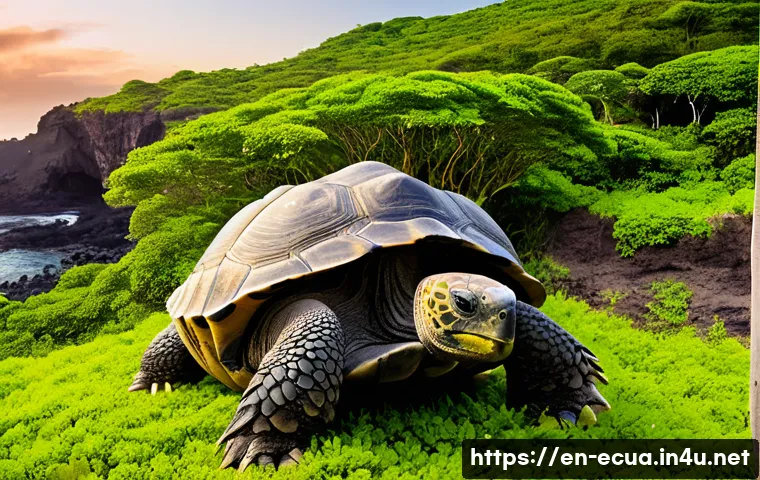
For instance, the recovery of giant tortoise numbers demonstrates how focused interventions can reverse decline. During my visit, the palpable sense of stewardship among locals and park staff was inspiring, showing how pride in unique biodiversity drives ongoing protection.
Amazonian Species Protection
In Ecuador’s Amazon, flagship species such as jaguars, giant river otters, and harpy eagles receive special attention. Protecting these animals involves preserving large tracts of undisturbed forest and minimizing human-wildlife conflict.
I recall conversations with biologists who stress that safeguarding apex predators benefits entire ecosystems by maintaining balance.
Marine and Coastal Wildlife Conservation
Coastal areas and marine reserves also host diverse species like sea turtles, humpback whales, and numerous fish that are vital to both ecosystems and local fisheries.
Conservation programs here integrate scientific research with community outreach to promote sustainable fishing practices and reduce pollution. From my experience, engaging fishermen as conservation allies has proven particularly effective in these regions.
Funding and International Support Mechanisms
Role of Global Partnerships
Ecuador’s conservation landscape benefits from partnerships with international organizations that provide technical expertise, funding, and advocacy. Entities like the World Wildlife Fund and Conservation International often collaborate with local groups to implement large-scale projects.
I’ve noticed that such alliances help amplify impact and bring global attention to Ecuador’s conservation challenges and achievements.
Innovative Financing Strategies
Beyond traditional grants, Ecuador has explored mechanisms like payment for ecosystem services, carbon credit schemes, and ecotourism levies to generate sustainable funding.
These models incentivize conservation by linking financial rewards directly to environmental outcomes. Having spoken with project managers, I’ve learned that diversifying income streams is key to long-term viability.
Community Benefit Sharing
Ensuring that local populations receive tangible benefits from conservation investments helps maintain enthusiasm and cooperation. Programs often include support for education, healthcare, and infrastructure alongside environmental goals.
From what I’ve seen, this holistic approach fosters a sense of shared responsibility and mutual gain.
| Conservation Aspect | Key Activities | Stakeholders Involved | Benefits |
|---|---|---|---|
| Community Engagement | Local patrols, education, ecotourism development | Indigenous groups, NGOs, local businesses | Improved protection, economic growth, cultural preservation |
| Technology Use | Camera traps, drones, data analytics, citizen science | Researchers, rangers, public volunteers | Accurate monitoring, early threat detection |
| Habitat Restoration | Reforestation, invasive species control, soil rehabilitation | Communities, government, environmentalists | Enhanced biodiversity, climate resilience |
| Legal Frameworks | Law enforcement, inter-agency cooperation, anti-corruption | Government agencies, NGOs, local authorities | Reduced poaching, stronger wildlife protection |
| Species Protection | Protected areas, species-specific programs | Conservationists, researchers, communities | Population recovery, ecosystem balance |
| Funding & Support | International partnerships, innovative financing, benefit sharing | Global NGOs, government, local populations | Sustainable project funding, community empowerment |
Conclusion
Community involvement and innovative technology are transforming conservation efforts in Ecuador, creating a powerful synergy between local knowledge and modern tools. By restoring habitats and strengthening legal protections, Ecuador is making significant strides in preserving its unique biodiversity. These combined approaches not only safeguard wildlife but also empower communities economically and culturally. It’s clear that ongoing collaboration and sustainable funding will be key to future success.
Useful Information to Know
1. Local communities, especially indigenous groups, play a critical role as frontline guardians, blending tradition with modern conservation techniques.
2. Education programs raise awareness about biodiversity’s value and connect conservation efforts to economic benefits like ecotourism.
3. Technology such as camera traps and drones enhances wildlife monitoring, improving data accuracy and ranger safety.
4. Habitat restoration efforts focus on native species planting and climate resilience, involving local farmers and volunteers.
5. Stronger laws and inter-agency cooperation improve wildlife protection, but sustained funding and anti-corruption measures remain essential challenges.
Key Takeaways
Effective conservation in Ecuador hinges on the integration of community engagement, advanced technology, and robust legal frameworks. Empowering locals and fostering partnerships ensure that protection efforts are both culturally respectful and scientifically sound. Sustainable financing models and education further support long-term ecological and economic resilience. Addressing enforcement challenges and corruption is vital to uphold these gains and secure a thriving future for Ecuador’s diverse ecosystems.
Frequently Asked Questions (FAQ) 📖
Q: What are the main conservation efforts currently underway in Ecuador to protect its wildlife?
A: Ecuador focuses on several key conservation strategies, including habitat preservation, anti-poaching patrols, and community engagement programs. For example, in the Amazon rainforest, organizations work closely with indigenous communities to monitor and protect endangered species, while in the Galápagos Islands, strict regulations and scientific monitoring help maintain the fragile ecosystem.
These efforts are often supported by government policies and international partnerships, aiming to balance ecological protection with sustainable development.
Q: How does wildlife conservation in Ecuador impact local communities and tourism?
A: Conservation in Ecuador directly benefits local communities by promoting sustainable tourism, which creates jobs and supports local businesses like guided tours, lodging, and handicrafts.
When ecosystems are preserved, they attract nature enthusiasts from around the world, boosting the economy. Moreover, many conservation projects involve training and employing locals, fostering a sense of stewardship and providing alternative income sources to activities that might harm wildlife, such as illegal logging or hunting.
Q: What challenges does Ecuador face in its efforts to conserve wildlife, and how are these being addressed?
A: Ecuador struggles with habitat loss due to agriculture expansion, illegal logging, and mining, alongside persistent threats from poaching. To combat these, authorities have increased protected area coverage and enhanced law enforcement, while NGOs run awareness campaigns to educate the public about the importance of conservation.
Community-led initiatives also play a crucial role, empowering locals to be guardians of their environment. Although challenges remain, these combined efforts are gradually improving the outlook for Ecuador’s unique species.