Ecuador’s folk music is a vibrant tapestry woven from indigenous, African, and Spanish influences, reflecting the country’s rich cultural heritage. Its melodies and rhythms tell stories of daily life, traditions, and celebrations that have been passed down through generations.
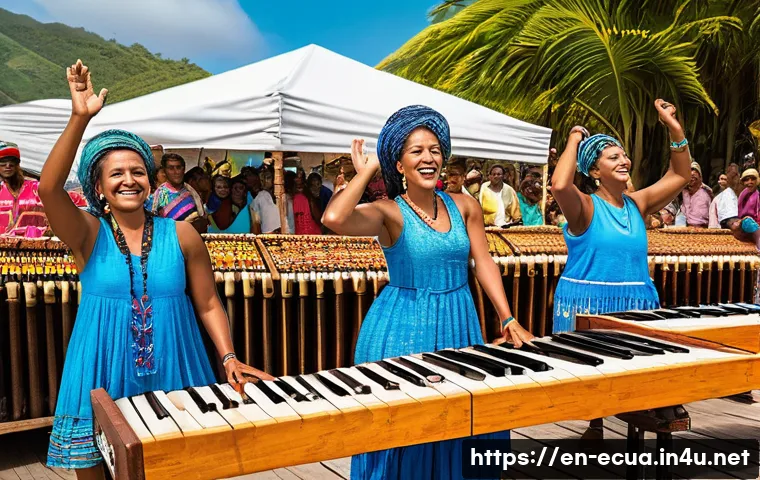
Unique instruments like the charango, marimba, and panpipes create distinctive sounds that instantly transport listeners to the Andean highlands or coastal regions.
Experiencing Ecuadorian folk music offers a deep connection to its people and history, making it a captivating journey for any music lover. Let’s dive in and explore the fascinating world of Ecuador’s traditional music and instruments in detail!
The Heartbeat of Ecuador: Rhythms That Unite
Andean Melodies That Echo Through Mountains
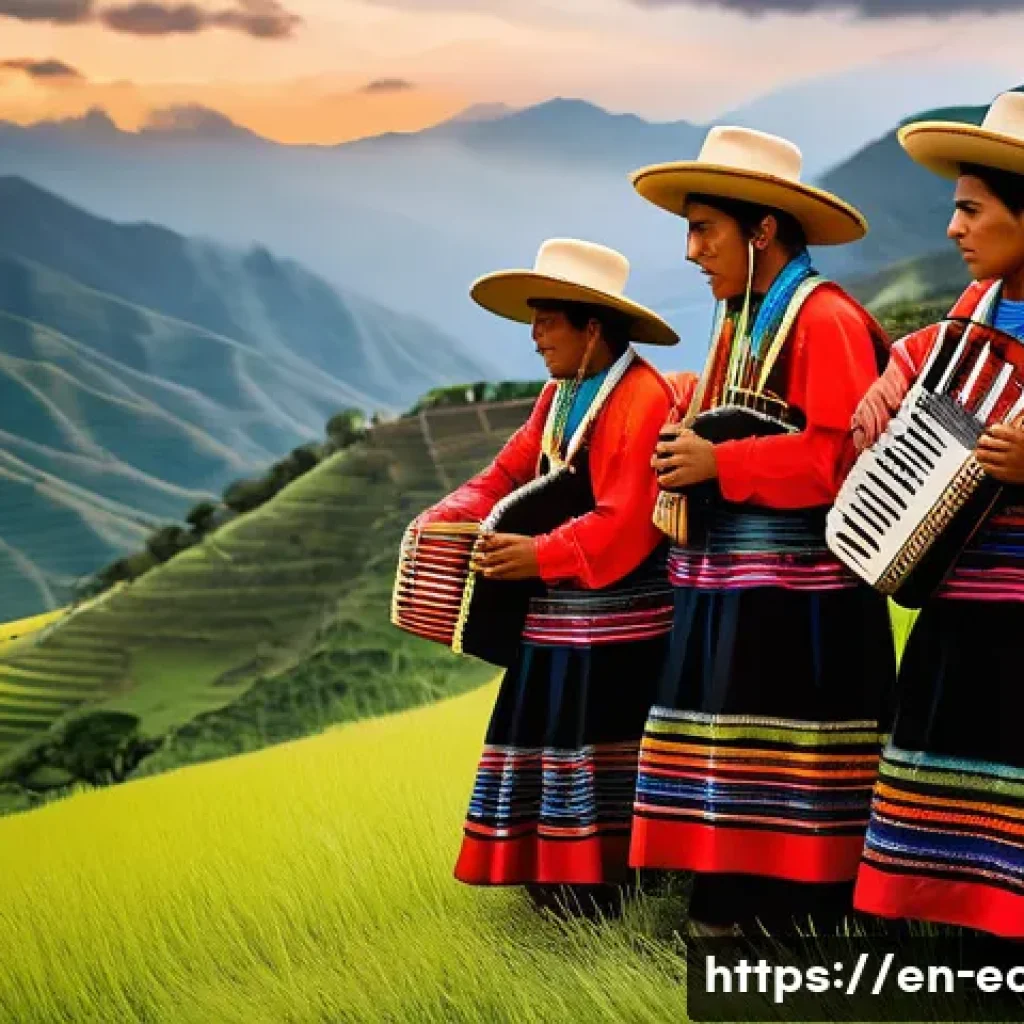
Ecuador’s Andean region offers some of the most soulful and haunting melodies in its folk music tradition. When you hear the panpipes and charango intertwining, it’s as if the mountains themselves are singing.
I once spent an afternoon in Otavalo, listening to a local band playing songs that seemed to carry centuries of stories, from ancient agricultural rituals to love ballads.
The rhythms are often slow and reflective but can shift to lively dances that get everyone on their feet. It’s a unique blend where nature’s calmness meets human celebration, creating music that feels both timeless and deeply personal.
Coastal Beats and the Vibrancy of Afro-Ecuadorian Music
Traveling down to the coastal provinces, the atmosphere changes entirely. The marimba, a wooden xylophone, dominates the soundscape with its vibrant, syncopated beats that are impossible not to move to.
Afro-Ecuadorian communities have preserved these rhythms, which are linked to their African heritage and the history of resilience and joy despite adversity.
When I joined a local festival in Esmeraldas, the energy was contagious—dancers and drummers weaving stories of freedom and identity into every note. These rhythms aren’t just music; they are a living testament to cultural pride and community strength.
Urban Folk: Blending Tradition with Modernity
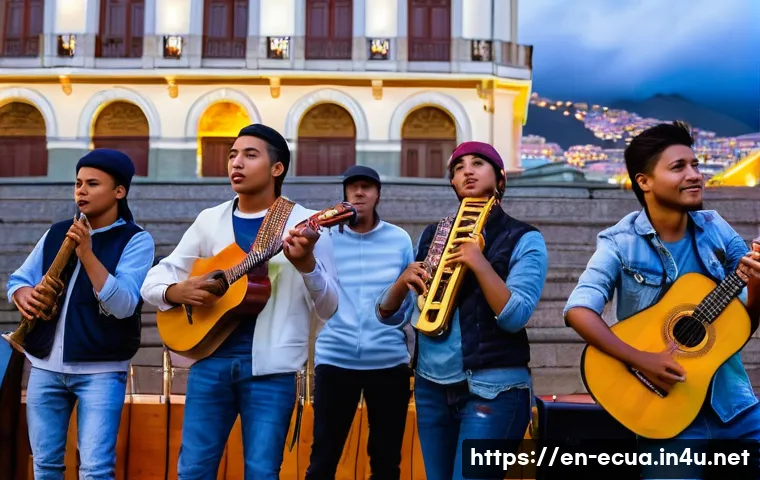
In Ecuador’s cities like Quito and Guayaquil, traditional folk music has taken on fresh life. Young musicians are blending classic instruments with modern genres like rock and hip-hop, creating a sound that respects heritage while pushing boundaries.
I met a group in Quito who use the charango alongside electric guitars, producing music that resonates with both older generations and youth. This fusion is vital because it keeps folk music relevant, allowing it to evolve without losing its roots.
It’s an exciting scene that shows how tradition and innovation can harmonize beautifully.
Strings, Pipes, and Percussion: Instruments That Shape the Sound
The Charango: Small but Mighty
The charango is a small stringed instrument resembling a tiny guitar, traditionally made from the shell of an armadillo, though wood is more common now.
Its bright, tinkling sound is instantly recognizable and central to many Andean songs. I’ve held a charango myself, and despite its size, it packs a surprising punch.
Skilled players can coax a range of emotions from it, from joyous celebrations to melancholic laments. It’s amazing how such a modest instrument can carry so much cultural weight and musical versatility.
Marimba’s Role in Afro-Ecuadorian Music
The marimba isn’t just an instrument; it’s a cultural icon for Afro-Ecuadorians. Constructed with wooden bars and resonators, it produces a rich, warm tone that forms the backbone of many coastal songs.
When watching marimba players perform, you notice the physicality involved—their hands dance across the bars with precision and passion. This instrument’s rhythms often invite storytelling and communal participation, making it a key element in preserving Afro-Ecuadorian identity.
Its sound is joyful yet deeply rooted in history.
Panpipes: Breathing Life into Ancient Traditions
Panpipes, or zampoñas, are wind instruments crafted from bamboo tubes of varying lengths. Their airy, ethereal sounds evoke the landscapes of the Andes, bringing to mind misty mornings and high-altitude fields.
Playing the panpipes requires breath control and a delicate touch, skills that musicians develop over years. I once watched a master player perform at a village gathering—his music seemed to float effortlessly in the crisp mountain air, enchanting everyone present.
Panpipes remain a symbol of indigenous heritage and spiritual connection to nature.
The Dance Between Music and Community Life
Festivals That Celebrate Sound and Spirit
Music in Ecuador isn’t confined to concert halls; it thrives in the streets and plazas during festivals. Events like Inti Raymi and Carnaval are alive with traditional music, where entire communities gather to dance, sing, and honor their history.
From my experience attending Inti Raymi in the highlands, the communal singing and dancing create an immersive atmosphere that connects people of all ages.
These celebrations keep folk music dynamic and relevant, reinforcing social bonds and cultural pride.
Storytelling Through Song
Many Ecuadorian folk songs serve as oral history, recounting local legends, moral lessons, or daily life struggles. I was fascinated to learn from a musician in Cuenca how songs passed down through generations could preserve knowledge about farming techniques, seasonal changes, and social values.
This storytelling aspect turns music into a living archive, ensuring cultural transmission without written records. It’s a powerful reminder of music’s role beyond entertainment—as a vital thread in the fabric of community identity.
Music as a Tool for Education and Preservation
In recent years, efforts to preserve Ecuador’s folk music have intensified, with schools and cultural centers teaching young people traditional instruments and songs.
I visited a music workshop in Quito where children eagerly learned to play the charango and panpipes. This educational approach not only safeguards the music but also instills a sense of pride and continuity.
It’s inspiring to see how these programs foster respect for cultural roots while encouraging creativity, ensuring that Ecuador’s musical heritage will thrive for generations to come.
Regional Styles: A Sonic Map of Ecuador
Highland Harmonies
The Andean highlands are home to music characterized by slow, melodic tunes often accompanied by the charango and panpipes. These songs frequently reflect the harsh yet beautiful mountain environment, with themes revolving around nature, agriculture, and ancestral spirituality.
I remember feeling a profound connection during a sunrise concert in Cotopaxi, where the music seemed to honor the sacredness of the land itself. Highland folk music often feels meditative and deeply respectful of tradition.
Coastal Rhythms
In contrast, coastal music is upbeat and percussion-heavy, reflecting the Afro-Ecuadorian influence. Marimba ensembles and rhythmic hand clapping dominate, creating an infectious groove perfect for dance.
The coastal style feels more communal and celebratory, often tied to festivals and social gatherings. Experiencing this lively music firsthand, I noticed how it invites spontaneous dance and collective joy, embodying the warmth and resilience of the coastal communities.
Amazonian Influences
Though less internationally known, the Amazon region contributes unique sounds with instruments like flutes and rattles made from natural materials. These sounds mimic the forest’s ambiance and often accompany shamanic rituals or storytelling.
During a visit to an indigenous village near the Napo River, I was struck by how the music intertwined with daily life and spiritual practice, creating a sacred atmosphere.
Amazonian folk music offers a glimpse into a world where nature and culture are inseparable.
Popular Folk Genres and Their Significance
Pasillo: The Ecuadorian Waltz
Pasillo is often described as Ecuador’s national genre—a melancholic yet elegant style resembling a slow waltz. It’s traditionally played with guitars and sometimes accompanied by vocals that tell tales of love and longing.
I found myself drawn to pasillo during a quiet evening in Quito, where its reflective mood perfectly suited the city’s colonial charm. This genre holds a special place in Ecuadorian hearts, bridging the gap between popular and folk music with its poetic expressiveness.
Albazo: The Morning Song
Albazo is an energetic genre typically performed at dawn to welcome a new day or celebration. Its brisk tempo and lively rhythms contrast with pasillo’s introspection.
I experienced albazo during a local wedding, where its joyful energy instantly lifted the crowd’s spirits. The genre’s roots lie in rural traditions, and it often features flutes and guitars.
Albazo’s role in marking moments of transition highlights music’s importance in Ecuador’s social and cultural rituals.
Yaraví: The Song of Sorrow and Beauty
Yaraví is a deeply emotional genre characterized by slow, mournful melodies often sung with heartfelt intensity. It usually involves guitar accompaniment and poetic lyrics.
I remember a performance in a small Andean town where the singer’s voice conveyed a powerful sense of nostalgia and loss, resonating with everyone present.
Yaraví embodies the bittersweet aspects of life, making it a poignant expression of Ecuador’s complex cultural identity.
Essential Ecuadorian Folk Instruments at a Glance
| Instrument | Region | Description | Typical Use |
|---|---|---|---|
| Charango | Andean Highlands | Small stringed instrument with bright, tinkling sound | Melodies for dance and storytelling |
| Marimba | Coastal Regions | Wooden xylophone producing rich, rhythmic tones | Accompaniment for Afro-Ecuadorian songs and dances |
| Panpipes (Zampoña) | Andean Highlands | Bamboo tubes of varying lengths creating airy sounds | Spiritual and ceremonial music |
| Guitar | Nationwide | Six-stringed instrument versatile in many genres | Accompaniment for pasillo, albazo, and yaraví |
| Flutes | Amazon and Andes | Wooden or bamboo wind instruments with diverse tones | Ritual and folk melodies |
How Ecuadorian Folk Music Inspires Today’s Artists
Modern Adaptations and Collaborations
Many contemporary Ecuadorian musicians draw inspiration from folk traditions, incorporating indigenous instruments and rhythms into pop, rock, and electronic music.
This blending creates fresh sounds that appeal to global audiences while honoring cultural heritage. I’ve attended concerts where DJs sample marimba or panpipe sounds, layering them with modern beats.
These creative fusions highlight folk music’s adaptability and its ongoing relevance in Ecuador’s evolving musical landscape.
Preservation Through Digital Media
The rise of social media and streaming platforms has given folk musicians a broader stage. Artists share their work with international listeners, helping preserve and popularize Ecuador’s rich musical traditions.
I’ve followed several Ecuadorian folk bands online, noticing how they engage fans with behind-the-scenes videos and educational content. This digital presence not only sustains interest but also opens doors for cultural exchange, making Ecuador’s folk music accessible worldwide.
Community Empowerment and Cultural Identity
For many Ecuadorians, folk music is more than entertainment—it’s a source of pride and a way to assert cultural identity amid globalization. Grassroots movements encourage young people to learn traditional instruments and songs, fostering community cohesion.
I’ve seen firsthand how music workshops in rural areas empower youth by connecting them to their roots. This empowerment through music helps maintain cultural diversity and strengthens social fabric, ensuring folk traditions thrive in the modern era.
Closing Thoughts
Ecuadorian folk music is a vibrant reflection of the country’s diverse cultures and landscapes. From the haunting melodies of the Andes to the energetic coastal beats, this music connects communities and preserves heritage. Experiencing these rhythms firsthand reveals their power to inspire, unite, and keep traditions alive in a modern world.
Useful Information to Know
1. Ecuador’s folk music varies widely by region, each with distinct instruments and styles reflecting local culture and history.
2. Traditional instruments like the charango, marimba, and panpipes play a crucial role in shaping Ecuador’s unique sound.
3. Festivals and communal events are central to experiencing authentic folk music and witnessing its role in social bonding.
4. Modern artists creatively blend folk elements with contemporary genres, helping preserve and evolve these traditions.
5. Educational programs and digital platforms are vital in keeping Ecuador’s musical heritage vibrant for future generations.
Key Takeaways
Understanding Ecuadorian folk music means appreciating its deep cultural roots and regional diversity. The fusion of indigenous, African, and Spanish influences creates a rich tapestry of sounds that express identity and history. This music is not just entertainment but a living tradition that fosters community pride and continuity. Supporting preservation efforts and embracing modern adaptations ensures these melodies will continue to resonate globally.
Frequently Asked Questions (FAQ) 📖
Q: What are the main cultural influences behind Ecuador’s folk music?
A: Ecuador’s folk music is a beautiful blend of indigenous, African, and Spanish influences. The indigenous roots bring traditional melodies and native instruments like panpipes, while African rhythms contribute lively beats, especially in coastal regions.
Spanish influence adds guitars and European melodic structures. This mix creates a diverse soundscape that reflects Ecuador’s multicultural heritage.
Q: What are some unique instruments used in Ecuadorian folk music?
A: Some standout instruments include the charango, a small stringed instrument resembling a lute; the marimba, which produces warm, resonant tones and is especially popular in the coastal areas; and panpipes, which are a hallmark of Andean music with their airy, haunting sound.
Each instrument adds a distinctive flavor that helps transport listeners to different regions of Ecuador.
Q: How does experiencing Ecuadorian folk music connect you to the country’s culture?
A: Listening to Ecuadorian folk music offers more than just entertainment—it’s like stepping into the heart of the country’s history and daily life. The songs often tell stories of community celebrations, ancient traditions, and the natural beauty of the land.
From festive dances to soulful melodies, the music creates an emotional bridge that allows listeners to feel the spirit and resilience of Ecuadorian people firsthand.