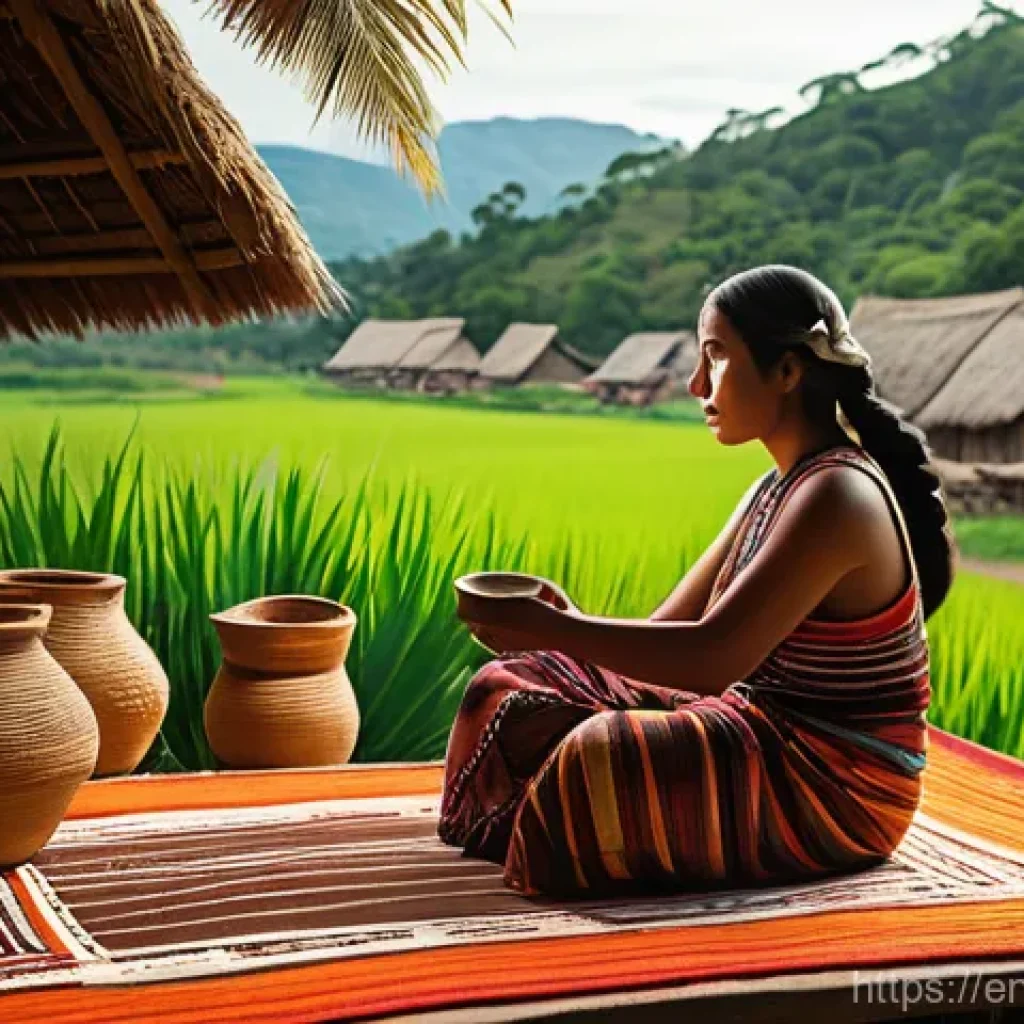
Ever felt that rush when you truly connect with a place’s soul? For me, that happens when I dive headfirst into its past, and let me tell you, Ecuador’s history is an absolute treasure trove waiting to be discovered!
This isn’t just a collection of dates; it’s a vibrant, sometimes tumultuous, story that’s shaped everything from its breathtaking landscapes to its incredible people today.
I’ve always found that understanding the echoes of ancient civilizations that thrived for millennia, the dramatic saga of Spanish colonial times, and the fierce battles for independence that followed, makes exploring Ecuador so much richer.
It truly transforms a trip into a profound journey. You’ll see how these pivotal moments continue to weave into the fabric of daily life, influencing traditions, art, and even the very spirit of the nation.
So, if you’re ready to unlock the captivating narrative of a country forged through millennia of triumphs and transformations, then let’s journey through Ecuador’s historical heartbeat right now and uncover its most defining moments!
Echoes of Ancient Worlds: Ecuador’s Indigenous Roots
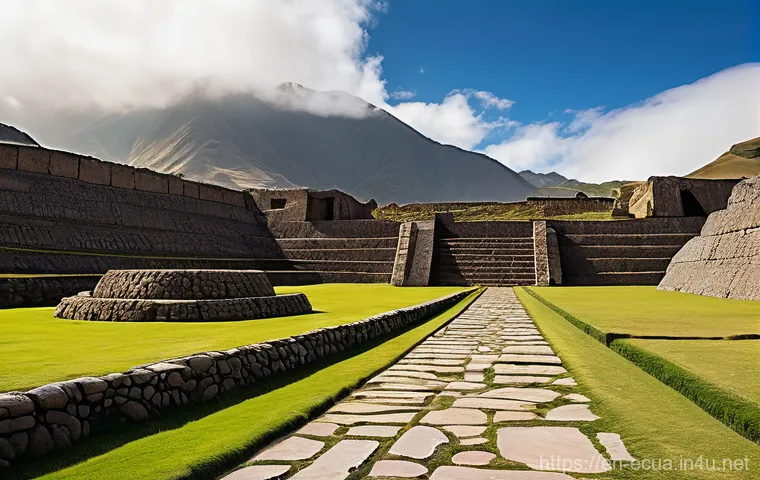
Stepping onto the sacred lands of Ecuador, I’m always struck by the palpable sense of history that permeates everything. Before any European set foot here, this country was a vibrant tapestry of diverse indigenous cultures, each with its own incredible story. Imagine civilizations flourishing for thousands of years, leaving behind a legacy that still whispers through the wind in the Andes. It’s fascinating to think that some of the oldest archaeological evidence in the Americas, dating back as far as 9,000 to 11,000 BC, has been found right here, demonstrating a continuous human presence for an incredible span of time. I’ve had the privilege of seeing some of these ancient artifacts firsthand, and it really puts into perspective the ingenuity and resilience of these early communities. They weren’t just surviving; they were thriving, cultivating crops like maize and manioc, and developing complex social structures. It reminds me that Ecuador’s story isn’t just a recent one; it’s a deep, rich narrative that stretches back into the mists of time, laying a foundational layer for everything that came after.
The Pioneering Valdivia and Their Legacy
When you delve into Ecuador’s pre-Columbian history, the Valdivia culture invariably comes up, and for good reason! Dating back to as early as 3500 BC, they’re renowned for being one of the first American cultures to use pottery. I remember seeing their distinctive ceramic figurines, often depicting women with prominent breasts, and thinking about the daily lives and spiritual beliefs these artifacts represented. They lived along the Santa Elena Peninsula, mastering not just pottery but also navigating the seas on rafts and establishing impressive trade networks that stretched across the Andes and even into the Amazon. Their innovations in agriculture and artistic expression set a benchmark for succeeding cultures like the Machalilla and Chorrera, who further refined farming techniques, including the cultivation of maize, and expanded trade, demonstrating a remarkable continuity of cultural development along the Ecuadorian coast and highlands.
Pre-Inca Confederations and Resilient Spirits
Beyond the early coastal cultures, the Andean highlands were also home to powerful chiefdoms and confederations that flourished for centuries. Before the Incas arrived, groups like the Cañari, Quitu, and Cara developed sophisticated societies, often with distinct regional differences in their political and social organization. These were not simple tribes; they were often allied groups forming strong confederations, such as the Confederation of Quito. When I visit places like Ingapirca, Ecuador’s most significant Inca ruin, it’s not just Inca history I see, but also the enduring spirit of the Cañari people who inhabited the area before the Inca. Their resistance to the later Inca expansion truly highlights their strong will and rich cultural heritage. These communities developed impressive agricultural systems and trade routes that connected different ecological zones, showcasing an incredible understanding of their diverse landscapes.
The Short but Sweeping Reign of the Inca
Even though the Inca Empire often brings Peru to mind, Ecuador played a crucial, albeit intense, role in its story. The Inca expansion northward from modern-day Peru began in 1463 under the formidable warrior Pachacuti Inca Yupanqui and his son Tupa Inca Yupanqui. Their arrival was met with fierce resistance, especially from the Cañari and Quitu peoples, who were already established and thriving. It wasn’t an easy conquest; the Inca had to fight hard for about 17 years to finally incorporate most of modern-day Ecuador into their vast empire, Tawantinsuyu, by the end of the 15th century. I’ve always been fascinated by how, despite their relatively short rule of about half a century in most parts of Ecuador, their impact was profound. They introduced an extensive administrative system, developed impressive infrastructure like the stone-paved highways that connected their empire, and even introduced Quechua, which remains widely spoken in Ecuador today. This period was a powerful testament to both Inca engineering and the enduring spirit of the local populations who, even under foreign rule, found ways to preserve aspects of their traditional beliefs.
Integrating a Vast Empire
The Inca were masters of organization, and they brought that expertise to Ecuador. They didn’t just conquer; they integrated. They established administrative centers, with Tumebamba (modern-day Cuenca) becoming a significant northern capital under Emperor Huayna Capac. Their system of public service, known as *mita*, required native Ecuadorians to perform labor for the Inca overlords instead of paying taxes, which helped build their impressive road networks. It’s mind-boggling to think about how they managed such a vast empire with a record-keeping system called *quipus*, a series of knotted ropes. While their rule was certainly oppressive for many, the Inca also brought a level of unity and infrastructure that hadn’t been seen before, connecting previously disparate communities and laying groundwork that, in some ways, influenced later developments.
Ingapirca: A Stone Testament
No discussion of the Inca in Ecuador is complete without mentioning Ingapirca, the country’s most significant Inca archaeological site. When I walked among those precisely cut stones, fitting together without mortar, I could almost feel the presence of the skilled artisans who built it. It’s believed to have been a way station along the Inca road system, serving strategic purposes and possibly a ceremonial one, with its elliptical Temple of the Sun aligning with astronomical events. The site beautifully showcases classic Inca architectural techniques and provides a tangible link to their presence. It’s not just a ruin; it’s a story carved in stone, telling tales of power, worship, and the daily lives of a people who, for a time, commanded a vast empire.
The Spanish Arrival: A Collision of Worlds
The early 16th century marked a dramatic, often brutal, turning point for Ecuador with the arrival of the Spanish conquistadors. Francisco Pizarro and his forces landed in 1532, finding an Inca Empire already weakened by internal strife—a civil war between half-brothers Atahualpa and Huáscar, compounded by the devastating spread of smallpox, which had ravaged indigenous populations. I can only imagine the shock and fear these European newcomers, with their horses, armor, and superior weaponry, must have instilled in the native inhabitants. The conquest of Quito, the secondary Inca capital, by the Spanish in 1534 effectively marked the end of serious Inca resistance in Ecuador, even though it was preceded by a defiant act from Atahualpa’s general, Rumiñahui, who reportedly destroyed the city to prevent its riches from falling into Spanish hands. This period, as tragic as it was, profoundly reshaped the social, political, and cultural landscape of the region for centuries to come.
Colonial Rule and New Structures
Following the conquest, what is now Ecuador fell under Spanish colonial rule, initially as part of the Viceroyalty of Peru, then later the Viceroyalty of New Granada. Quito became a significant administrative and religious center, with the establishment of the Audiencia in 1563. This meant that, while still under the Spanish crown, Quito had a degree of direct communication with Madrid on certain matters, giving it considerable influence. The Spanish introduced a system of large estates, known as *encomiendas*, where indigenous peoples were forced into labor, contributing to an economy heavily reliant on agriculture. Catholicism spread rapidly, becoming a cornerstone of the new colonial society, and the impressive colonial architecture we still admire in cities like Quito and Cuenca today is a direct legacy of this era.
A Culture Forged in Conflict
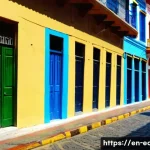
Life under colonial rule was undeniably harsh for indigenous Ecuadorians, marked by forced labor, cultural suppression, and devastating diseases brought from Europe. Yet, amidst this oppression, indigenous traditions and forms of resistance endured. The mixture of Spanish and indigenous cultures also led to the emergence of a new social class – the *mestizos* – who now make up the majority of Ecuador’s diverse population. This period wasn’t just about the imposition of a new order; it was about the complex interplay of cultures that slowly, sometimes painfully, began to forge a new Ecuadorian identity. When I walk through Quito’s historic center, a UNESCO World Heritage site, I don’t just see beautiful buildings; I see the layers of history, the stories of those who built them, and the enduring spirit of a nation born from this unique blend of influences.
The Fierce Fight for Freedom: Independence Movements
The dawn of the 19th century brought a new wave of change to Latin America, and Ecuador was right at the heart of it. Inspired by events like the American and French Revolutions and Napoleon’s invasion of Spain, local *criollos* (people of Spanish descent born in the Americas) began to chafe under Spanish rule. This wasn’t just a sudden uprising; it was a simmering resentment that finally boiled over. I’ve always found it so powerful how these movements, often starting with declarations of loyalty to the deposed Spanish king, quickly transformed into full-blown quests for self-determination. The first significant spark in Ecuador came on August 10, 1809, when a group of Quito’s leading citizens seized power from local Spanish authorities, an event often regarded as one of the first calls for independence in Latin America. While this initial revolt was short-lived, it ignited a revolutionary fever across the continent, showing that the desire for freedom was a force that couldn’t be easily contained.
Key Battles and Heroic Figures
The true military campaign for independence gained momentum over a decade later. Guayaquil boldly declared its independence in October 1820, sparking a renewed effort. However, the decisive moment, the one that sealed Ecuador’s fate, came on May 24, 1822, with the Battle of Pichincha. General Antonio José de Sucre, a close confidant of Simón Bolívar, led the Patriot Army to a resounding victory on the slopes of the Pichincha volcano, near Quito. This was no easy fight; it was bloody and fierce, but the patriot victory effectively ended Spanish colonial rule in the Real Audiencia of Quito. I often think about the courage of those who fought on that day, knowing their actions would shape the destiny of a nation. It’s a reminder that freedom often comes at a great cost, and the sacrifices made then paved the way for the Ecuador we know today.
Joining and Leaving Gran Colombia
Following independence, Ecuador initially joined Simón Bolívar’s ambitious vision of a larger South American republic, Gran Colombia, which included modern-day Colombia, Venezuela, and Panama. This was a period of both hope and challenge. While it represented a united front for liberation, internal divisions and regional rivalries soon began to strain the union. Ecuador, along with other regions, eventually broke away, and the Republic of Ecuador was officially established as an independent state on May 13, 1830. This marked the true birth of Ecuador as a sovereign nation, though the path ahead would be far from smooth, filled with its own set of internal struggles and transformations.
Forging a Nation: The Republican Era and Early Instability
The birth of the Republic of Ecuador in 1830 wasn’t the end of the struggle; it was just the beginning of a new, complex chapter. The young nation immediately faced immense challenges, from establishing a stable government and defining its borders to contending with persistent regional rivalries between the coastal elites of Guayaquil and the traditional power base in the Andean highlands around Quito. I find it almost heartbreaking to read about how many governments came and went in those early decades, with Ecuador enduring periods of civil war and being dominated by charismatic but often volatile *caudillos* – strongmen who alternately favored conservative or liberal ideologies. This political instability, coupled with economic reliance on single commodities like cacao, created a roller coaster of boom-and-bust cycles that profoundly impacted the lives of ordinary Ecuadorians. It truly puts into perspective the resilience required to build a lasting nation amidst such turmoil.
A Century of Strongmen and Shifting Ideologies
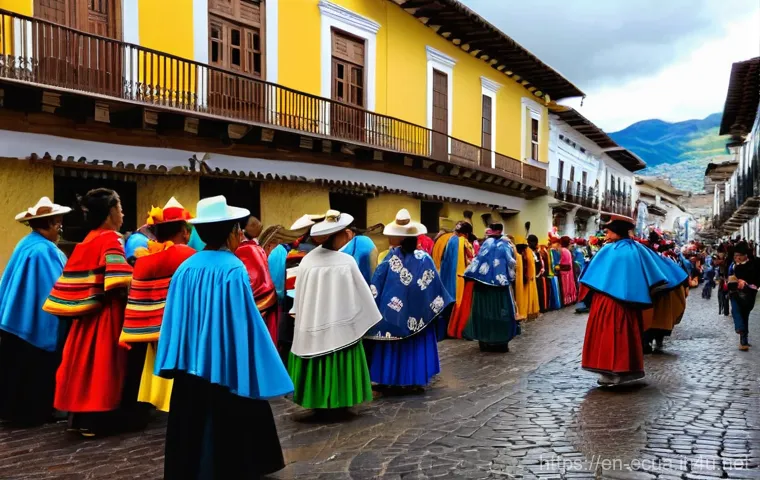
The 19th and early 20th centuries saw a succession of leaders, each leaving their mark on the nascent republic. Figures like Gabriel García Moreno, a staunch conservative who championed Catholic values and infrastructure, and Eloy Alfaro, a liberal revolutionary who pushed for secular reforms and modernization, dramatically shaped the country’s trajectory. Their reigns were often marked by strong central control, but also by significant, if sometimes controversial, advancements. For instance, García Moreno built schools and improved roads, but his regime was also seen as oppressive. This pendulum swing between conservative and liberal ideals, often backed by military force, meant that political stability remained an elusive dream for many years. It makes me wonder about the individuals caught in the middle of these ideological battles, trying to carve out a life amidst constant change.
The 20th Century and Modern Transformations
The 20th century in Ecuador was a period of profound transformation, marked by significant political upheaval, economic shifts, and a continuing quest for stability. I often reflect on how rapidly the world changed during this era, and Ecuador was no exception, grappling with its own internal dynamics while also navigating global events. For much of the century, the political landscape was dominated by figures like José María Velasco Ibarra, who served five non-consecutive presidential terms, though only completing one. His presence alone speaks volumes about the tumultuous nature of Ecuadorian politics, with frequent changes in leadership and intermittent periods of military rule. These military governments, particularly the one from 1972 to 1979, were often ambitious in their reforms but frequently left a legacy of increasing foreign debt, despite the new-found petroleum wealth that began to flow after oil discovery in 1967. It’s a complex legacy, where progress was often intertwined with new challenges and persistent instability.
Oil, Debt, and the Return to Democracy
The discovery of vast petroleum reserves in the Oriente region in 1967 brought an economic boom, with oil swiftly becoming the country’s main export. This influx of wealth dramatically increased foreign exchange earnings, but it also led to massive foreign borrowing when revenues stagnated in the mid-1970s. By the late 1980s, Ecuador was facing crippling debt. However, this era also saw a push toward democratic rule. The late 1970s marked a return to elected civilian government and a new constitution in 1979. Jaime Roldós Aguilera, a young social democrat, was elected president on a reformist platform, promising greater social equality, though he faced considerable challenges in implementing his vision. This transition to democracy was a crucial step, yet it didn’t immediately resolve the underlying economic and social issues that had plagued the nation for so long.
Economic Shifts and the Dollarization Era
The late 20th and early 21st centuries presented Ecuador with some of its most significant economic challenges, culminating in a severe crisis that saw the country abandon its national currency, the sucre. In a bold and pivotal move in January 2000, Ecuador officially adopted the US dollar as its currency, a process known as dollarization. I remember the discussions around this decision; it was a huge gamble, but it ultimately helped stabilize the economy and regain public trust after years of uncertainty. This period also saw shifts in leadership, including Rafael Correa’s presidency from 2007 to 2017, which focused on social development and indigenous rights, increasing the public economy’s share of GDP. While Ecuador has continued to struggle with political instability and economic shifts, particularly with fluctuating oil prices and recent challenges with organized crime, the dollarization brought a new layer of economic predictability that continues to shape its present and future.
Ecuador’s Enduring Cultural Tapestry
What truly captivates me about Ecuador isn’t just its dramatic historical timeline, but how all these layers—from ancient indigenous civilizations to the Inca Empire, Spanish colonization, and the struggles of the republican era—have woven together to create an incredibly rich and vibrant cultural tapestry. Everywhere you go, you can see and feel the echoes of the past influencing the present. The majority of Ecuadorians today are *mestizos*, a beautiful blend of indigenous and European heritage, which has resulted in tremendous cultural diversity and unique customs across the country. I’ve always found it inspiring how, despite centuries of change and external influences, many indigenous communities have fiercely maintained their ancestral customs, beliefs, and languages, such as Kichwa and Shuar, which are recognized alongside Spanish. This isn’t just about preserving the past; it’s about a living, breathing culture that continues to evolve and assert its identity. It’s a powerful reminder of how resilient and adaptable human spirit can be.
Festivals, Arts, and Traditional Ways
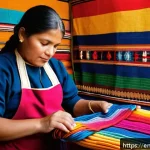
Ecuador’s cultural heritage truly comes alive through its many festivals, arts, and enduring traditions. When you visit indigenous markets, like the famous one in Otavalo, you’re not just seeing crafts; you’re witnessing centuries of artistic expression in beautifully woven textiles, intricate jewelry, and carved wood. Traditional dances, music, and colorful celebrations such as Inti Raymi (the Sun Festival) and the Day of the Dead offer a fascinating glimpse into the country’s ancestral beliefs and colonial influences. The architectural masterpieces, particularly the well-preserved colonial buildings in Quito and Cuenca, both UNESCO World Heritage Sites, stand as testaments to the country’s rich artistic legacy. Beyond the urban centers, in regions like the Amazon rainforest, indigenous communities continue to live in ways that reflect their deep connection to the land, maintaining traditional hunting, fishing, and gathering practices, offering a glimpse into ways of life that have persisted for millennia.
A Legacy of Resilience and Identity
The ongoing struggle for indigenous rights and environmental protection, particularly in the Amazon against oil and gas drilling, shows that the past is not merely confined to history books; it actively shapes contemporary dialogues and conflicts in Ecuador. This resilience in the face of modern challenges, the continued celebration of folklore and legends, and the pride in traditional dress codes are all testaments to a national identity constantly being forged and reaffirmed. For me, these elements are what make Ecuador not just a travel destination, but a profound cultural experience, offering visitors a chance to connect with a history that is as complex and captivating as its diverse landscapes.
Ecuador’s Ongoing Journey: Challenges and Hopes
Ecuador’s journey, much like any nation with such a rich and complex history, continues to be one of evolving challenges and enduring hopes. While the country has made significant strides in establishing democratic governance and stabilizing its economy through measures like dollarization, the echoes of its past—from deep-rooted social inequalities stemming from colonial times to persistent regional rivalries—still shape its present. I’ve often seen how these historical currents play out in modern political discourse and social movements. The late 20th and early 21st centuries have been marked by periods of political upheaval, with several presidents coming and going, and ongoing social unrest driven by dissatisfaction over indigenous rights and economic policies. Yet, despite these bumps in the road, there’s an undeniable spirit of resilience and a continuous effort to build a more equitable and stable future. It’s a testament to the Ecuadorian people’s determination to overcome adversity, much like their ancestors did.
Addressing Modern Complexities
In recent years, Ecuador has faced new layers of complexity, particularly concerning public security and the rise of organized crime. Issues like drug trafficking, extortion, and violence have become pressing concerns, leading to significant government efforts to address these challenges. I believe it’s important to understand these contemporary struggles not in isolation, but within the historical context of a nation constantly striving for stability and progress. There’s also a growing global awareness and commitment to environmental protection, particularly in safeguarding its megadiverse ecosystems, including the Amazon and the Galapagos Islands, which were notably influenced by Charles Darwin’s groundbreaking research. These efforts demonstrate a forward-looking vision, recognizing the importance of preserving natural resources and cultural heritage for future generations.
A Future Forged from the Past
Ultimately, Ecuador is at a fascinating crossroads, drawing strength from its diverse heritage while navigating the demands of the modern world. The country’s commitment to protecting indigenous cultures, promoting social development, and embracing democratic principles, even amidst political and economic fluctuations, speaks to a profound sense of identity forged through millennia of triumphs and transformations. As an observer, I find Ecuador’s story to be one of continuous reinvention—a country that honors its deep historical roots while bravely stepping into the future, always shaped by the vibrant spirit of its people. It makes you realize that history isn’t just what happened; it’s what continues to live and breathe in every aspect of a nation.
| Period | Key Events and Cultures | Lasting Impact |
|---|---|---|
| Pre-Columbian Era (c. 9000 BC – 1463 AD) | Las Vegas, Valdivia, Machalilla, Chorrera cultures thrive. Rise of regional chiefdoms like Cañari, Quitu, Cara. Early agriculture and pottery. | Foundational cultural diversity, indigenous languages (e.g., Kichwa roots), artistic traditions, agricultural practices. |
| Inca Empire (1463 AD – 1532 AD) | Inca expansion into Ecuador under Pachacuti and Tupac Yupanqui. Establishment of administrative centers (e.g., Tumebamba). Introduction of Quechua and sophisticated road systems. | Quechua language, unified administrative structures, advanced engineering (e.g., Ingapirca), enduring indigenous resistance. |
| Spanish Colonial Era (1532 AD – 1822 AD) | Spanish conquest led by Francisco Pizarro. Establishment of the Real Audiencia of Quito. Forced labor (*encomienda*), rapid spread of Catholicism, colonial architecture. | Spanish language, Catholic religion, mestizo population, colonial cities (Quito, Cuenca), socio-economic inequalities. |
| Independence and Gran Colombia (1809 AD – 1830 AD) | First calls for independence in Quito (1809). Guayaquil’s independence (1820). Battle of Pichincha (1822) led by Sucre. Ecuador joins Gran Colombia, then breaks away (1830). | Birth of an independent Ecuadorian nation, national heroes (Bolívar, Sucre), ongoing regional identities. |
| Republican Era (1830 AD – Present) | Periods of political instability, civil wars, and rule by *caudillos*. Economic shifts from cacao to oil. Dollarization (2000). Return to democratic rule. Contemporary challenges (organized crime, environmental protection). | Democratic institutions, modern economic structure, continued cultural evolution, addressing social and security issues, environmental stewardship. |
글을 마치며
And so, as we wrap up our incredible journey through Ecuador’s rich tapestry of history, I hope you’ve felt the profound echoes of its ancient worlds, the fierce spirit of its people, and the vibrant blend of cultures that make this nation so utterly unique. From the pioneering Valdivia to the powerful Inca, the transformative colonial era, and the arduous path to independence, Ecuador’s story is one of remarkable resilience and continuous evolution. It’s a powerful reminder that history isn’t just dates and events; it’s the living, breathing soul of a place, shaping every step of its present and future.
Useful Tips for Your Ecuadorian Exploration
1. Immerse yourself in the local markets, especially in towns like Otavalo, Saquisilí, or Guamote. It’s not just about shopping for souvenirs; it’s a vibrant, living museum where you can witness centuries of indigenous artistry, traditional bartering, and community life thriving firsthand. You’ll find everything from beautifully woven textiles and intricate jewelry to fresh produce and unique artisanal crafts. Don’t be shy to engage with the local artisans and vendors – often, their stories behind the crafts are as rich as the items themselves, offering a deeper connection to Ecuador’s heritage.
2. Learning a few basic phrases in Kichwa, even just “Rimaykullayki” (hello), can make a profound difference. While Spanish is widely spoken across the country, particularly in urban areas, showing respect for indigenous languages demonstrates genuine interest and can open doors to more authentic and memorable interactions with local communities, especially in the highlands. Locals truly appreciate the effort, and it often leads to warmer welcomes and unique cultural exchanges that go beyond typical tourist interactions.
3. When visiting significant historical sites like Ingapirca, the pre-Columbian ruins, or even the colonial centers of Quito and Cuenca, consider hiring a local, certified guide. Their expertise often brings the ancient stones and intricate stories to life in a way a guidebook simply cannot. They can provide personal anecdotes, explain the local significance, and offer deeper cultural and historical context, connecting you directly to the narratives of the people who shaped these places. It enhances the experience tremendously and supports local tourism.
4. Don’t just observe; experience the traditional Ecuadorian cuisine. Each of Ecuador’s diverse regions boasts its own unique and delicious flavors, from the refreshing coastal *ceviche* and *encebollado* to the hearty Andean *locro de papa* (potato soup) and *hornado* (roasted pork). Exploring the local gastronomy is a delicious way to connect with the country’s rich agricultural heritage, its diverse landscapes, and the traditions that have been passed down through generations. Be adventurous and try street food from reputable vendors for an authentic taste of daily life.
5. Be prepared for Ecuador’s incredibly diverse climates and altitudes. Despite being a relatively small country, it remarkably packs in tropical Pacific beaches, the majestic peaks of the Andean highlands, and the dense, biodiverse Amazon rainforest. This means you could experience all four seasons in a single day, or certainly within a short travel span. Pack layers – a light jacket, rain gear, sun protection, and comfortable walking shoes – and be mindful of altitude sickness if you’re heading to cities like Quito (9,350 ft) or higher elevations. Adapting your wardrobe will allow you to fully enjoy every facet of your adventure without discomfort.
Key Insights from Our Journey
What truly stands out from Ecuador’s epic saga is its incredible ability to adapt and thrive through millennia of profound change. From the earliest pioneering settlers who shaped their environment with ingenuity, through the intricate and often challenging dance of cultures under the powerful Inca Empire, and the transformative, yet sometimes harsh, Spanish colonial rule, Ecuador’s story is a powerful testament to human resilience and an unwavering spirit. This journey, marked by fierce battles for freedom and continuous nation-building, highlights how its diverse heritage has been its greatest strength, continuously weaving a vibrant cultural tapestry that welcomes deep exploration and understanding. Every single layer of its past, with its triumphs and tribulations, contributes profoundly to the dynamic, captivating, and utterly unique country we see and experience today, reminding us that history is a living legacy.
Frequently Asked Questions (FAQ) 📖
Q: What kind of incredible civilizations thrived in Ecuador before the Spanish ever set foot there, and how did the mighty Inca Empire fit into that picture?
A: Oh, this is one of my absolute favorite parts of Ecuador’s story! Before the Spanish arrival, this land was a bustling hub of diverse and advanced indigenous cultures, some of them going back thousands of years.
We’re talking about groups like the Valdivia, who, way back around 3500 B.C., were among the very first in the Americas to craft pottery – isn’t that mind-blowing?
They lived along the coast, building intricate trade networks. Then you had groups like the Machalilla, who were incredible farmers, and the Chorrera, celebrated for their exquisite ceramic art.
As centuries rolled on, you’d find coastal powerhouses like the Manteños and Huancavilcas, who were master sailors and traders, even venturing as far as Mexico on their balsa rafts.
But then, in the late 15th century, things shifted dramatically with the arrival of the formidable Inca Empire. Coming from what is now Peru, under leaders like Pachacuti and his son Túpac Yupanqui, they expanded northward, eventually incorporating most of modern-day Ecuador into their vast empire.
My experience tells me that while the Inca period here was relatively brief – only about 50 years in some areas – its impact was surprisingly profound.
They brought sophisticated administrative systems, introduced Quechua as a common language, and left their mark on agriculture and social organization.
You can still feel their presence in places like Ingapirca, Ecuador’s largest Inca ruins. The local tribes, like the Cañari and Quitu, put up a fierce resistance, which I always find so inspiring, but ultimately, the Inca reshaped the region significantly, even making Quito a secondary capital for their emperor Huayna Capac.
It really paints a picture of a land rich in history long before any European ships appeared on the horizon!
Q: When the Spanish arrived, how did their colonization fundamentally change Ecuador, and what lasting impacts can we still observe today?
A: Oh boy, the Spanish arrival really threw a wrench into everything, didn’t it? When Francisco Pizarro and his conquistadors showed up in the mid-16th century, it was a massive turning point.
Suddenly, this vibrant land, with its established indigenous cultures, was absorbed into the vast Spanish colonial system. The changes were absolutely fundamental, touching every single aspect of life.
Politically, Ecuador became part of a huge viceroyalty, initially Peru, then New Granada, with the Audiencia de Quito serving as a significant administrative center.
Culturally, the introduction of Catholicism was huge; churches and monasteries were often built right on top of sacred indigenous sites, a powerful symbol of the new order.
Spanish became the official language, weaving itself into the daily fabric of communication. Economically, the Spanish focused on extracting resources, particularly gold and silver, and established large haciendas, or estates, worked by forced indigenous labor through systems like the encomienda and mita, which were incredibly harsh.
This really reshaped the entire landscape and economy of the region. What truly strikes me is how these changes echo through to today. You can see the colonial legacy everywhere!
The beautiful architecture in historic Quito, the widespread Catholic faith, and, of course, the Spanish language that everyone speaks. But beyond the visible, there’s also the lasting social hierarchy, with many descendants of the colonizers still holding significant power, and indigenous communities often at a disadvantage.
It’s a complex blend, isn’t it? A rich tapestry of cultures, but one where the threads of its colonial past are still very, very evident. I’ve always felt that understanding this background makes interacting with modern Ecuadorian society so much more meaningful.
Q: Who were the main heroes and what were the most crucial moments in Ecuador’s struggle to break free from Spanish rule?
A: Talk about a dramatic saga! Ecuador’s fight for independence was a fierce and often bloody one, full of incredible heroes and pivotal moments that truly shaped the nation.
For me, it all really kicks off with the “First Cry for Independence” in Quito on August 10, 1809. Led by figures like Juan Pío Montúfar, this was a bold, albeit short-lived, rebellion against Spanish colonial rule.
It might have been crushed pretty quickly, but I see it as a spark, a powerful declaration that earned Quito the nickname “Light of America” for inspiring similar movements across the continent.
Fast forward a bit, and the struggle gains serious momentum. In October 1820, the port city of Guayaquil bravely declared its independence, showing that the fire for freedom was truly spreading.
But the real game-changer came with the arrival of two colossal figures in South American liberation: Simón Bolívar, “El Libertador,” whose vision was to free the continent, and his brilliant young lieutenant, Antonio José de Sucre.
Sucre was the military mastermind who, after a series of intense campaigns, led the Patriot army to the decisive Battle of Pichincha. This epic clash happened on May 24, 1822, on the slopes of the Pichincha volcano, right outside Quito.
I can only imagine the sheer courage it took! Their victory there was absolutely monumental, finally securing Ecuador’s freedom from Spanish dominion.
It’s why May 24th is a national holiday, a day to really reflect on that incredible bravery and sacrifice. While Ecuador initially joined Bolívar’s Gran Colombia, it ultimately became its own independent republic in 1830, marking the birth of the nation we know today.
It’s a testament to the unwavering spirit of its people!