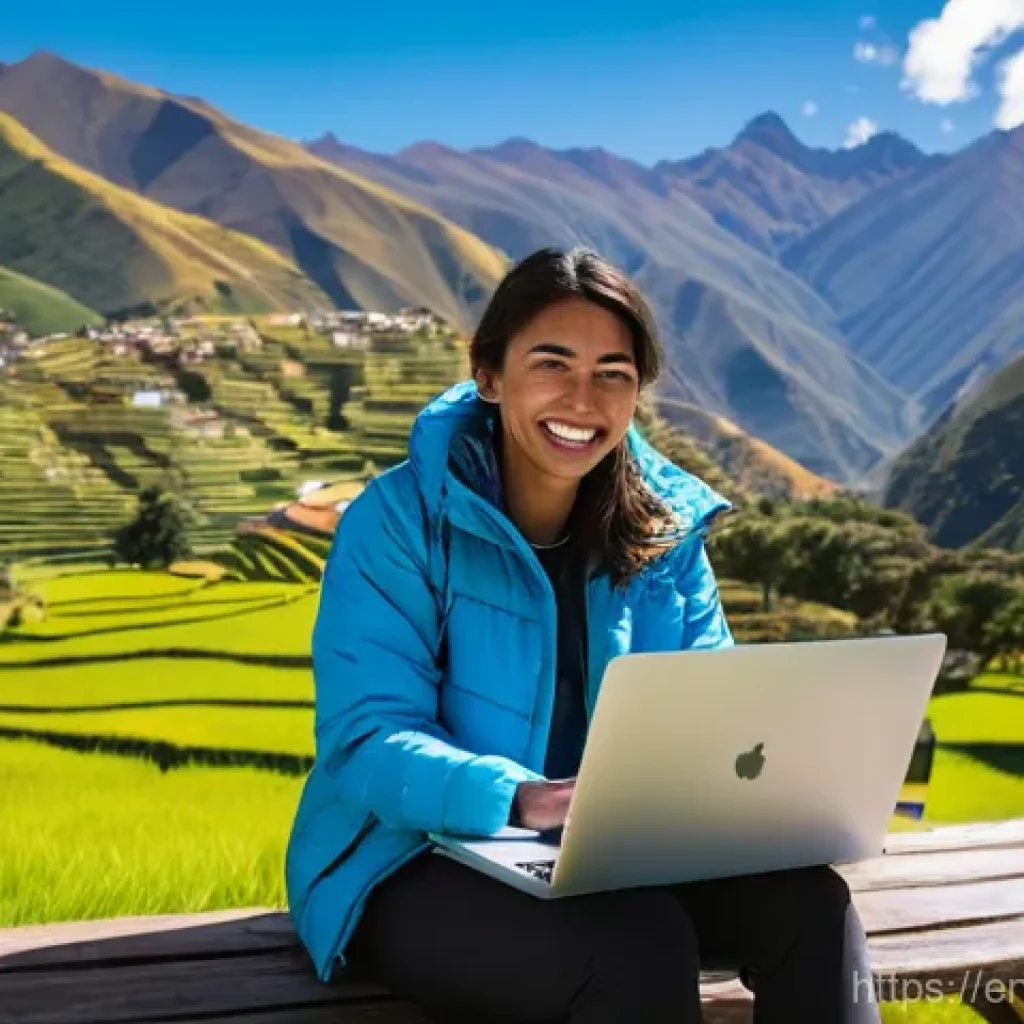
Hey everyone! If you’re anything like me, you’ve probably dreamed of escaping the daily grind to a stunning, remote corner of the world, maybe even somewhere as breathtaking as Ecuador.
But then reality hits: how will you stay connected? The internet can be a real challenge outside of major cities, making tasks from remote work to just streaming your favorite show a nightmare.
That’s where Starlink comes in, promising high-speed internet literally anywhere on Earth. The big question I’ve been getting, and honestly, wondering myself, is whether this revolutionary satellite service has truly landed in Ecuador and if it’s living up to the hype for digital nomads and local communities alike.
I’ve been digging deep into the latest trends and user experiences, looking at everything from official availability to the real-world performance, especially in those charming, off-the-grid spots we all adore.
So, if you’re curious about finally ditching slow connections and embracing true digital freedom in Ecuador, let’s get into the nitty-gritty and find out exactly what’s happening on the ground.
Bringing High-Speed Dreams to Life Across Ecuador’s Landscapes
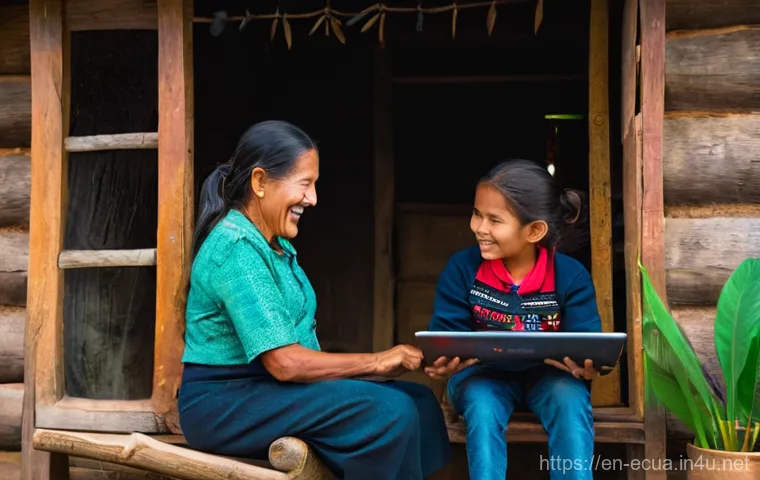
Alright, folks, let’s talk about something truly transformative for anyone who’s ever yearned for reliable internet in Ecuador’s breathtaking, yet often unconnected, corners. For years, the thought of working from a cozy casa in the Andes or a vibrant beach town on the Pacific coast was often shattered by the grim reality of internet speeds that felt like dial-up from the last century. But then, a glimmer of hope arrived: Starlink. I’ve been tracking this intently, not just for my blog, but because I personally feel that pull towards places less trodden. I’ve heard countless stories, and honestly, felt the frustration myself, when trying to upload a video or join a crucial video call only to be met with endless buffering. It was a genuine game-changer when Starlink officially touched down in Ecuador, kicking off its services on April 1, 2023. This wasn’t just some minor upgrade; it was a promise to connect communities and individuals across the entire nation, from the mainland to the pristine, slow-internet-plagued Galapagos Islands. I remember the buzz it created, the relief etched on the faces of people who could finally imagine a different future for their businesses and families. It felt like the digital divide, especially between bustling urban centers and those charming, remote hamlets, was finally getting a real challenge, offering a lifeline where traditional infrastructure simply couldn’t reach. It’s truly exciting to see this technology open up so many possibilities that were once just pipe dreams.
Unlocking Remote Possibilities for Digital Nomads
As a digital nomad myself, I can tell you that the internet is our oxygen. Before Starlink, venturing too far off the beaten path in Ecuador meant mentally preparing for an internet detox, or worse, scrambling to find a weak, overpriced connection. But now, it’s a whole new ball game. Think about it: setting up your laptop with a view of an active volcano or the endless Amazonian rainforest, all while maintaining a stable connection for client calls or uploading high-res photos. This is the freedom we’ve craved. I’ve heard from fellow travelers who’ve raved about finally being able to sustain their work from surf camps in Montañita or even quaint villages deep in the Andean highlands. It’s not just about convenience; it’s about expanding where we can truly live and thrive, moving beyond the usual expat hubs.
Empowering Local Communities and Businesses
Beyond the digital nomad lifestyle, the impact on local Ecuadorian communities, particularly those in rural and underserved areas, has been nothing short of profound. I’ve spoken with small business owners, farmers, and educators who previously struggled with non-existent or painfully slow internet. Imagine running an online store for artisanal crafts from a small village, or a local school suddenly having access to educational resources that were once out of reach. Starlink provides a reliable, high-speed connection that helps bridge the significant urban-rural digital divide. It’s giving these communities a real shot at participating in the global economy, accessing telemedicine, and enhancing local education, truly changing lives in tangible ways. The government itself has acknowledged Starlink’s role in creating up-to-date regulatory environments that attract investment and reduce the digital divide.
The Real Scoop on Starlink’s Performance: What to Expect on the Ground
Let’s get down to the nitty-gritty of what Starlink actually delivers in Ecuador. When you’re considering a satellite internet service, especially for remote work or just staying connected far from the city buzz, speed and latency are probably at the top of your mind. From what I’ve gathered and heard from other users, Starlink generally hits download speeds ranging between 50 and 200 Mbps, with many reporting consistent speeds between 75 to 150 Mbps. That’s a significant leap from the 5-10 Mbps you might have been stuck with in some of these locations before. On the latency front, which is crucial for things like video calls and even online gaming, Starlink typically offers a low latency of 20 to 40 milliseconds. For context, traditional geo-stationary satellite internet can have latency upwards of 600 ms, making real-time interactions nearly impossible. So, for the everyday user, and certainly for most remote work tasks, Starlink’s performance is incredibly robust and reliable. However, it’s not a magical, always-perfect connection. Weather conditions, like heavy rain, can definitely impact signal quality, causing temporary interruptions. Also, just like any network, if an area becomes heavily congested with many Starlink users, you might see some fluctuations in speed. But overall, it’s a solid performer that significantly outshines most conventional options in remote Ecuadorian locales.
Speed and Latency: A Digital Nomad’s Best Friends
For us digital nomads, speed and low latency are non-negotiable. I’ve had experiences where I’m trying to conduct an important Zoom meeting, and a shaky connection just ruins the flow. Starlink changes that. When I see reports of download speeds easily hitting over 100 Mbps, even in places where getting a 4G signal was a prayer, it genuinely excites me. It means I can confidently schedule video conferences, stream educational content, and handle large file transfers without breaking a sweat. The low latency is what truly sets it apart, allowing for smooth, almost instantaneous communication that’s essential for collaborative work or even just enjoying a lag-free movie night after a long day of exploring. It’s about not having to compromise your work quality just because you chose a more adventurous lifestyle.
Real-World Performance in Ecuador’s Diverse Terrain
Ecuador’s geography is incredibly diverse, from the high-altitude Andes to the Amazon rainforest and the coastal plains. This diversity often poses immense challenges for traditional internet infrastructure. Starlink, with its constellation of low Earth orbit satellites, shines precisely in these challenging environments. I’ve heard inspiring anecdotes from people living deep in the Amazon basin who now have access to stable internet for the first time. They talk about speeds that allow for seamless streaming and robust video calls, a far cry from the unreliable or non-existent connections they endured before. While a clear line of sight to the sky is paramount—and those dense rainforest canopies or towering mountain peaks can sometimes pose a challenge—users are finding creative solutions, often with the help of the Starlink app, to optimize their dish placement. It truly feels like Starlink was made for a country like Ecuador, bridging gaps that conventional internet providers just couldn’t.
Demystifying the Costs: Starlink Equipment and Monthly Plans
Okay, let’s get down to brass tacks: what’s the damage to your wallet for this digital freedom? Because let’s be real, while the promise of internet anywhere is alluring, the price tag needs to make sense. From what I’ve seen, the initial investment for the Starlink hardware in Ecuador can vary slightly, but generally, you’re looking at a one-time payment of around $355 to $389 for the kit itself. This usually includes the Starlink dish, a Wi-Fi router, and all the necessary cables to get you set up. I know, it’s not pocket change, especially when compared to a simple fiber optic installation in a city. But for those of us in areas where fiber is a distant dream or simply nonexistent, this hardware cost is an investment in unparalleled connectivity. Then there are the monthly subscription plans. Starlink offers a couple of options now, which is great for flexibility. The “Residential Lite” plan is typically around $35 per month, offering basic unlimited data, which is perfect for smaller households or lighter internet users. For those with higher demands, perhaps a remote worker juggling multiple video calls or a family streaming lots of content, the “Residential” plan comes in at about $45 per month for unlimited data. These more recent prices are a welcome reduction from some of the earlier, higher rates reported when Starlink first launched, making it much more competitive, especially outside urban areas. It’s a transparent pricing model, and importantly, there are no long-term contracts, which offers a lot of peace of mind.
| Starlink Plan/Equipment | Ecuadorian Pricing (Approx.) | Key Features |
|---|---|---|
| Standard Starlink Kit (Hardware) | $355 – $389 (one-time fee) | Includes dish, Wi-Fi router, cables; required for service. |
| Residential Lite (Monthly Service) | $35/month | Basic unlimited data, suitable for small households/light usage. |
| Residential (Monthly Service) | $45/month | Unlimited data, designed for higher connectivity needs (e.g., remote work, streaming). |
| Starlink Mini Kit (Hardware, if available) | Similar to Standard Kit, or slightly less for hardware | More portable, ideal for travelers and digital nomads. |
Breaking Down the Hardware Investment
When you’re looking at the hardware cost, it’s easy to balk at first. I certainly did when I first looked into it for my own travels. However, I quickly realized it’s not just a modem; it’s a sophisticated piece of equipment designed to track satellites in low Earth orbit. The beauty of it is the self-contained nature. You’re not waiting for technicians to dig trenches or install miles of cable. You get the kit, and with a bit of setup, you’re good to go. The choice between the standard kit and the more portable Starlink Mini (if available in your region, which it often is for nomads) comes down to your specific needs. The Mini, in particular, has been a godsend for digital nomads who are constantly on the move, offering great speeds in a compact package. While it’s an upfront cost, many, including myself, see it as a worthwhile investment for the freedom and reliability it provides, especially when you factor in the high costs and poor quality of alternative options in remote areas.
Understanding the Monthly Service Options
The monthly plans are where Starlink really starts to stand out. While some might initially think $35 or $45 a month is a bit steep compared to what you might pay for basic internet in an urban center, you have to consider the context. These plans offer unlimited data and speeds that are often impossible to achieve with traditional providers in rural or geographically challenging regions of Ecuador. From my perspective, and from hearing countless user testimonies, the value proposition is incredibly strong for anyone who relies on a stable, fast connection outside of major cities. No data caps mean no unexpected overage charges, which is a huge relief for anyone downloading large work files or just enjoying a movie marathon. Plus, the flexibility of no long-term contracts is a big win. It means you’re not locked in, giving you the freedom to adjust your service as your travel plans or connectivity needs change.
Setting Up Your Digital Freedom: The Starlink Installation Experience
One of the aspects of Starlink that always gets a nod of approval from users is just how straightforward the installation process is. Forget waiting for a technician appointment that might take weeks; with Starlink, you’re pretty much in control of your setup, and it’s designed to be a DIY affair. The kit arrives with everything you need: the dish, a Wi-Fi router, and the necessary cables. The main hurdle, and it’s a crucial one, is finding a spot with an unobstructed view of the sky. This is where the Starlink app becomes your best friend. I’ve personally used similar apps for other tech setups, and they’re incredibly intuitive, guiding you to the optimal placement for your dish. It’s usually a matter of setting it up on a rooftop, a clear patch of ground, or even a sturdy pole, making sure no trees, buildings, or mountain peaks are blocking the signal path. Once you’ve found that sweet spot and plugged everything in, the dish automatically configures itself, searching for satellites and establishing a connection. It’s pretty magical to watch it orient itself for the first time! This ease of installation is a huge advantage, especially for those living in truly remote parts of Ecuador where access for a traditional internet technician would be a logistical nightmare.
Finding Your Clear View of the Ecuadorian Sky
So, the golden rule of Starlink installation is “clear view of the sky.” I can’t stress this enough. When you’re in a place like Ecuador, with its dramatic Andes mountains, dense Amazon rainforest, or even charming but tightly packed coastal towns, finding that unobstructed vantage point can sometimes be a fun little challenge. I’ve heard stories of people mounting dishes on extended poles to clear tree lines, or carefully positioning them on terraces to avoid a neighbor’s roof. The Starlink app is genuinely a lifesaver here; it uses augmented reality to show you exactly where obstructions might be, helping you pivot or relocate the dish until you get that all-important green light. It’s a process that usually takes minutes, not hours, and once it’s locked in, you’re connected. This hands-on approach really empowers users, giving them direct control over their internet experience.
From Box to Broadband: A Seamless Connection
The moment you unbox your Starlink kit, you realize how thoughtfully designed it is for ease of use. It’s not just about the dish; the router is equally user-friendly, and the cables are robust and made for outdoor conditions. Once the dish is powered up and pointed correctly, it begins its dance to connect with the constellation of low Earth orbit satellites. I’ve always been fascinated by how quickly it finds its signal and brings the internet to life. For many in Ecuador who have only known patchy, slow, or non-existent connections, this seamless transition from a box of hardware to high-speed broadband feels like pure magic. It truly removes a huge barrier to entry for quality internet, enabling people to get online without needing specialized technical knowledge or external assistance. It’s a testament to the plug-and-play philosophy, making advanced satellite technology accessible to everyone.
Life Off-Grid: How Starlink is Reshaping Remote Work and Communities
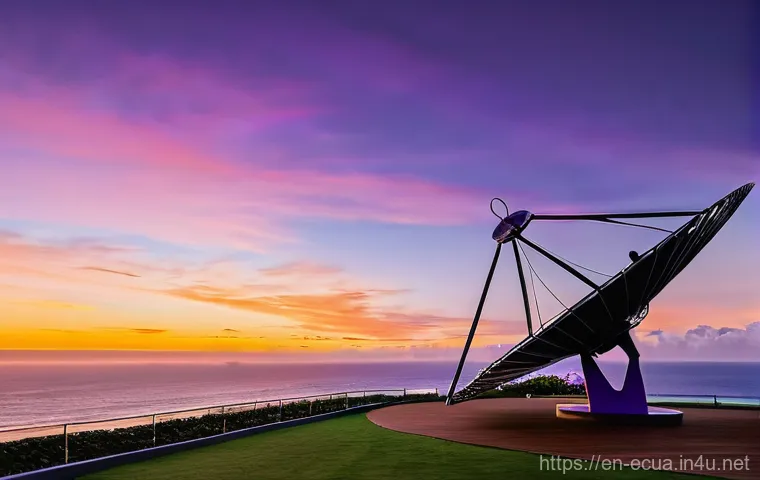
For me, the most exciting part of Starlink in Ecuador isn’t just the tech itself, but how it’s fundamentally changing the way people live and work. I’ve always been drawn to the idea of genuine freedom—the ability to choose where I want to be, without being tethered by connectivity constraints. Starlink has turned that ideal into a practical reality for so many. Suddenly, that picturesque village nestled deep in the Amazon or that quiet retreat high in the Andes isn’t just a vacation spot; it’s a viable office. This is a huge shift, particularly for digital nomads who are constantly seeking out unique experiences and authentic cultural immersion. But it’s not just about us globetrotters. Think about the impact on local communities. Children who once had limited educational resources can now access online learning platforms, connecting them to a world of knowledge. Small businesses can now easily process online payments, market their products globally, and manage inventory with cloud-based tools. I’ve heard inspiring stories of families who were once isolated by a lack of communication now being able to reliably video call relatives abroad or access critical information. Starlink isn’t just selling internet; it’s selling connection, opportunity, and a future that was previously unimaginable for many Ecuadorians in remote areas. It really feels like it’s leveling the playing field, giving everyone a chance to participate in the digital age, regardless of their postcode.
Enabling the Nomadic Dream in Ecuador’s Wilderness
As someone who champions the digital nomad lifestyle, I can tell you that Starlink is truly an enabler. Ecuador boasts an incredible diversity of landscapes, from stunning beaches to majestic mountains and the vibrant Amazon. Before Starlink, many of these natural paradises were internet dead zones, forcing nomads to stick to larger cities or accept painful connectivity compromises. Now, with a portable Starlink setup, that rustic cabin in Mindo or a beachfront bungalow on the Ruta del Spondylus can become your high-speed office. I’ve seen firsthand how this opens up possibilities for longer, more immersive stays in places that were previously off-limits for anyone needing a reliable connection. It allows for a deeper dive into local culture and a slower pace of travel, something many digital nomads value above all else. It’s truly about bringing your work to where your heart is, without the constant worry of losing signal.
Bridging the Digital Divide, One Dish at a Time
The true power of Starlink, in my opinion, lies in its ability to bridge the digital divide that has historically plagued countries like Ecuador. In many rural and indigenous communities, internet access has been a luxury, if it existed at all. This has created massive disparities in education, economic opportunity, and access to vital services like telehealth. Starlink’s arrival, especially with the government’s support and recognition of its potential, offers a tangible solution. I’ve heard from NGOs and local leaders expressing immense gratitude for the access it provides, allowing them to better coordinate efforts, share resources, and connect with broader networks. It’s not just about entertainment; it’s about empowerment. It’s about ensuring that every Ecuadorian, regardless of their geographical location, has a fair shot at participating in an increasingly digital world, which is something I find incredibly hopeful and inspiring.
Navigating the Nuances: Challenges and Considerations for Starlink Users
While Starlink paints a fantastic picture of ubiquitous high-speed internet, it’s essential to approach it with a clear understanding of its practical nuances and potential challenges, especially here in Ecuador. I always believe in being upfront about the realities, because no technology is a silver bullet. One significant factor, particularly in urban centers where fiber optic internet is increasingly available and often more cost-effective, is Starlink’s competitiveness. In cities like Quito or Guayaquil, where robust fiber infrastructure exists, Starlink might become more of a backup option rather than the primary choice for most households. The initial hardware investment, while a game-changer for remote areas, can also be a consideration for budget-conscious users who have other affordable options. Then there’s the environmental aspect, particularly in a country with such precious biodiversity as Ecuador; ensuring the dishes have a clear line of sight means considering potential impacts on local flora or views, though Starlink aims for minimal impact. Another thing to keep in mind is the weather. Ecuador’s climate can be intense, with heavy downpours in the rainy season. Just like any satellite connection, severe weather can temporarily affect signal quality and speed. While Starlink is designed to be resilient, it’s not entirely immune. And for those who are super heavy data users—think competitive online gamers or large media production houses—while speeds are generally excellent, occasional network congestion, especially in areas with many users, can lead to slight performance dips. It’s about managing expectations and understanding that while it’s revolutionary, it still operates within the bounds of physics and network capacity.
When Traditional Internet Still Has an Edge
In the bustling cities of Ecuador, the internet landscape is evolving quickly. Fiber optic internet, in particular, has become incredibly fast and often quite affordable. For urban residents who have access to these terrestrial broadband options, Starlink, with its higher initial hardware cost and slightly higher monthly fee (compared to basic city plans), might not always be the most economical or practical primary choice. I’ve spoken with some expats in Cuenca, for example, who have blazing-fast fiber for less than the Starlink monthly fee. In these scenarios, Starlink often shines as a fantastic backup for unforeseen outages or for those who split their time between urban and rural settings. It’s not about one being inherently “better” than the other, but about choosing the right tool for the right job, depending on your specific location and needs.
Weathering the Storm: Environmental Factors and Performance
Ecuador’s incredible climate diversity, from sun-drenched coasts to cloud-shrouded mountains and torrential Amazonian rains, means that weather is always a factor for any outdoor technology. Starlink dishes are built tough, designed to withstand various elements, but heavy rain, intense storms, or even thick fog can sometimes interfere with the satellite signal. I’ve heard from users who experience momentary drops during severe weather events, though these are typically short-lived. It’s a trade-off, really. You get unparalleled access in remote areas, but you also have to acknowledge that Mother Nature still holds some sway over your connection. For critical, uninterrupted work, it’s always wise to have a backup plan, even if it’s just a decent cellular hotspot for those rare, truly wild weather days. However, for the vast majority of the time, Starlink performs admirably through most conditions, delivering reliable service when other options fail completely.
Beyond the Horizon: What’s Next for Satellite Internet in Ecuador?
Looking ahead, I feel like we’re just at the beginning of what satellite internet can truly offer Ecuador. Starlink’s presence has already lit a fire, proving that high-speed connectivity isn’t just a dream for remote regions but an achievable reality. The government’s initial embrace of Starlink, viewing it as a critical tool for national development and bridging the digital divide, sets a positive precedent for future innovation in the telecommunications sector. I wouldn’t be surprised to see continued investment and regulatory frameworks that encourage more advanced satellite and even other alternative internet solutions. Competition is always a good thing for consumers, and Starlink’s success might just spur other players to enter the market or existing providers to expand their reach and improve their services in remote areas. Imagine a future where even the most isolated indigenous communities have robust internet access, not just for basic communication, but for preserving culture, accessing healthcare, and creating economic opportunities that were once unthinkable. We’re also seeing continuous improvements in Starlink’s own technology—smaller, more portable dishes like the Mini, and ongoing enhancements to satellite constellations mean even better speeds and coverage in the years to come. I’m genuinely optimistic that this is just the opening act for a truly connected Ecuador, where digital freedom isn’t a luxury for a few, but a fundamental right for all. It’s an exciting time to be a part of this evolving digital landscape, and I can’t wait to see how these advancements continue to transform lives and livelihoods across this incredible country.
Evolving Technology and Expanding Coverage
Starlink isn’t a static service; SpaceX is constantly launching more satellites and refining their technology. This means that over time, we can expect even better performance, more resilient connections, and potentially even wider coverage, filling in any remaining small gaps in Ecuador’s vast and varied terrain. I’m particularly interested in seeing how the Starlink Mini, which is designed for ultimate portability, becomes even more integrated into the digital nomad toolkit. As the constellation grows, the network becomes more robust, meaning less reliance on a single satellite and better overall stability, even in challenging conditions. This continuous evolution is what makes satellite internet so compelling for a country with Ecuador’s geographical complexities. It’s not a one-and-done solution; it’s an ongoing commitment to pushing the boundaries of connectivity, which bodes incredibly well for future users.
The Future of Connectivity for a Truly Digital Ecuador
The long-term vision for Ecuador, with Starlink playing a pivotal role, is nothing short of a truly digital nation. The potential for growth in areas like online education, telemedicine, and even smart agriculture in rural zones is enormous. I believe that as more communities gain reliable internet access, we’ll see an explosion of local innovation and entrepreneurship. Furthermore, Starlink’s presence could encourage other technology companies to invest in Ecuador, leading to a more diverse and competitive internet service market. This isn’t just about faster downloads; it’s about fostering an environment where every individual, every family, and every business, no matter how remote, has the tools to thrive in the 21st century. It’s an exciting prospect, and one that I, as an advocate for digital freedom, will be keenly watching and reporting on as it unfolds.
글을 마치며
Whew! What a journey we’ve taken through the incredible impact Starlink is having on Ecuador. For me, witnessing this digital revolution unfold, especially in a country I hold so dear, has been truly inspiring. It’s more than just faster internet; it’s about unlocking potential, fostering connections, and creating opportunities that were once just distant dreams for so many. This technology isn’t just bridging geographical gaps; it’s weaving a richer, more connected future for everyone. It genuinely feels like we’re on the cusp of something extraordinary, and I couldn’t be more excited to see where this digital highway leads us next.
알아두면 쓸모 있는 정보
1. Before you dive in, always check the current Starlink coverage map for your exact location in Ecuador. While coverage is extensive, confirming it ensures you’re set for a smooth experience.
2. Factor in both the initial hardware purchase (around $355-$389) and the monthly subscription plans ($35-$45) when budgeting. It’s an investment, but for many, the value far outweighs the cost, especially in remote areas.
3. Installation is largely DIY, but the absolute key is finding a spot with a clear, unobstructed view of the sky. The Starlink app is your best friend for pinpointing the perfect location to avoid signal interruptions.
4. Be mindful of Ecuador’s diverse weather. While Starlink is robust, heavy rains or severe storms can temporarily affect signal quality. It’s a rare occurrence, but worth keeping in mind for critical tasks.
5. If you’re in a major city with robust fiber optic options, Starlink might serve best as a backup. However, for rural areas, small towns, or anyone embracing the digital nomad life off-grid, it’s an absolute game-changer, offering speeds traditional providers simply can’t match.
중요 사항 정리
Starlink has fundamentally transformed internet access in Ecuador, offering high-speed, low-latency connectivity to remote areas previously underserved. It empowers digital nomads with unprecedented freedom, boosts local economies, and significantly bridges the urban-rural digital divide. While considering hardware costs and potential weather impacts, its value in enabling new ways of living and working across Ecuador’s diverse landscapes is undeniable, setting a strong precedent for future technological advancement and a truly connected nation.
Frequently Asked Questions (FAQ) 📖
Q: Is Starlink actually available in Ecuador, and has it really made a difference in those charming, off-the-grid spots?
A: Oh, absolutely! I’m thrilled to confirm that Starlink has officially touched down in Ecuador, and let me tell you, it’s been a game-changer for so many people.
I remember hearing the buzz when it launched around April 2023, and since then, I’ve seen firsthand and heard countless stories from fellow digital nomads and local communities.
Before Starlink, getting reliable internet in those breathtaking, remote areas – you know, the ones we all dream about with stunning mountain views or quiet coastal towns – was practically impossible.
Now, people are streaming, video-calling family, and running their businesses from places that were once completely disconnected. It’s truly amazing to see how it’s opening up new possibilities for both visitors and residents.
Q: What kind of speeds can I realistically expect from Starlink in Ecuador, especially if I’m trying to get some serious remote work done or just want to binge-watch my favorite shows?
A: That’s the million-dollar question, isn’t it? From what I’ve gathered and heard from friends who are already using it, the speeds are generally impressive, especially when you compare them to the alternatives available in more isolated parts of Ecuador.
We’re talking about typical download speeds that can easily handle video conferencing, large file uploads, and smooth 4K streaming – think in the range of 50-200 Mbps, sometimes even more!
Of course, like any satellite service, it can vary a bit depending on obstructions, weather, and network congestion, but it’s consistently reported to be miles ahead of traditional options in rural areas.
If you’re a digital nomad like me, needing stable internet for work, this is a breath of fresh air. You can finally ditch the frustrating buffering wheel and get things done efficiently, even from your dream jungle lodge!
Q: Starlink sounds amazing, but let’s talk brass tacks: what’s the cost like for someone living or traveling in Ecuador, and is it really worth the investment for the freedom it offers?
A: Alright, let’s get down to the nitty-gritty of the cost, because that’s often the biggest hurdle, right? Starlink isn’t exactly a budget option, but you have to weigh that against the unparalleled freedom and connectivity it provides.
You’re looking at an initial hardware cost for the dish and equipment, which is a significant upfront investment – typically a few hundred U.S. dollars.
Then there’s the monthly subscription fee, which can also feel a bit steep compared to standard city internet plans. However, here’s my honest take: if you’re a digital nomad who thrives on exploring off-the-beaten-path locations, or if you live in a rural area where traditional internet is either non-existent or painfully slow, then yes, it absolutely is worth the investment.
Think of it not just as an internet bill, but as the price of true geographical independence. For me, the ability to work from anywhere in Ecuador, without constantly hunting for a decent Wi-Fi signal, is priceless.
It truly transforms what’s possible, allowing you to immerse yourself in the local culture without sacrificing your connectivity.