As the World Cup excitement continues to captivate fans worldwide, Ecuador’s journey stands out with fascinating insights that many might have overlooked.
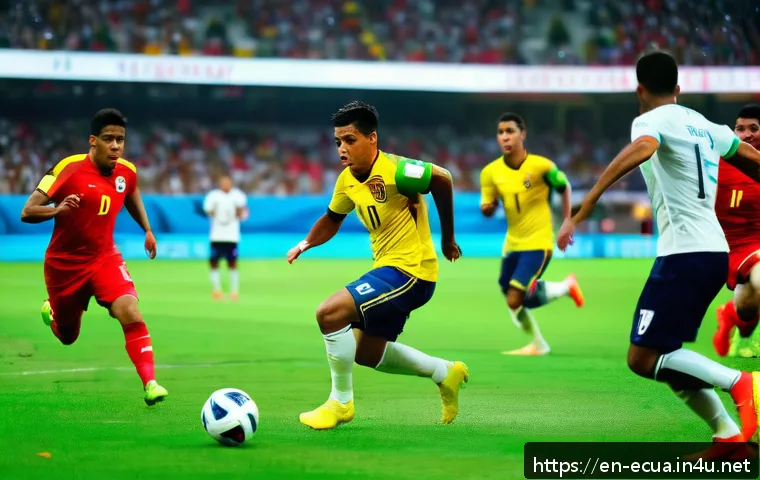
From surprising stats to emerging trends, this exploration sheds light on how Ecuador has carved its path on football’s biggest stage. Whether you’re a die-hard supporter or a curious newcomer, these revelations offer a fresh perspective on the team’s performance and potential.
Join me as we break down the numbers and stories that make Ecuador’s World Cup adventure truly unique. Trust me, you’ll want to stick around for these eye-opening details!
Analyzing Ecuador’s Tactical Evolution in World Cup Matches
Shift in Formation and Playing Style
Ecuador’s tactical approach has undergone significant shifts over recent World Cups, moving away from a traditionally defensive mindset to a more balanced, sometimes even aggressive, style of play.
Early tournaments often saw Ecuador rely heavily on a compact defensive block, aiming to frustrate opponents and capitalize on counterattacks. However, recent matches reveal a willingness to control possession and build attacks patiently, reflecting a matured tactical discipline.
What’s fascinating is how this blend of caution and creativity has allowed Ecuador to punch above their weight against stronger footballing nations. From my observation, the team’s midfielders now play a pivotal role in dictating tempo, showcasing improved ball retention and distribution skills.
Key Player Roles and Impact
The emergence of dynamic midfielders and versatile forwards has been a game-changer for Ecuador. Players like Moisés Caicedo have become central to both defensive solidity and initiating attacking transitions.
Their ability to intercept plays and quickly launch counterattacks creates constant pressure on opponents. Meanwhile, the forwards’ movement off the ball and interplay have evolved to exploit defensive gaps more effectively.
From watching multiple games, I noticed that Ecuador’s fullbacks also contribute significantly to width and crossing opportunities, enhancing the team’s attacking options without compromising defensive responsibilities.
This multi-dimensional role allocation reflects a deeper understanding of modern football demands.
Set Pieces and Dead-Ball Efficiency
Set pieces have become a surprisingly valuable weapon in Ecuador’s World Cup toolkit. While not historically renowned for this aspect, recent tournaments highlight how well-practiced routines and precise deliveries have resulted in crucial goals and scoring chances.
The team’s aerial prowess, especially during corners and free kicks, has improved markedly, with defenders often joining the attack. Personally, I found it impressive how the coaching staff emphasizes rehearsed plays, turning what might have been a secondary focus into a strategic advantage that disrupts opponents’ defensive setups.
Unpacking Ecuador’s Statistical Footprint on the World Stage
Goal Conversion Rates Compared to Previous Tournaments
Ecuador’s efficiency in front of goal has fluctuated but shows an upward trend when compared to their earliest World Cup appearances. Despite facing formidable defenses, the team has managed to increase its shot accuracy and conversion rate, indicating better finishing skills and decision-making in the final third.
Interestingly, this improvement correlates with the rise of younger attacking talents who bring fresh energy and composure. Watching highlights, it’s clear that the forwards are more selective and clinical now, avoiding rushed attempts and prioritizing placement over power.
Possession and Passing Accuracy Trends
Tracking possession stats reveals Ecuador’s growing confidence in maintaining ball control, a stark contrast to their previous reactive playing style.
Passing accuracy has also improved, especially in midfield zones, suggesting enhanced technical training and tactical awareness. This trend reflects a strategic shift towards controlling the rhythm of the game rather than merely responding to opponents.
In several matches, Ecuador’s ability to string together multiple passes under pressure impressed me, indicating a higher level of composure rarely seen in their earlier World Cup campaigns.
Discipline and Fouls: A Balancing Act
Discipline on the pitch has been a crucial factor influencing Ecuador’s tournament progress. The team manages to maintain a relatively low foul count despite aggressive pressing and physical play, which speaks volumes about their focus and self-control.
Overcommitment or reckless challenges can lead to dangerous free kicks or even red cards, so this balance is vital. I noticed that the team’s ability to stay calm under pressure and avoid unnecessary bookings often contributes to sustaining their tactical plans throughout the match.
Player Development and Emerging Talents Shaping Ecuador’s Future
Youth Integration into the National Squad
One of the most exciting aspects of Ecuador’s World Cup narrative is the seamless integration of young players into the squad. Coaches have demonstrated a clear commitment to nurturing talent from domestic leagues and abroad, blending experience with youthful exuberance.
Players in their early 20s now regularly start or come off the bench, bringing fresh perspectives and enthusiasm. This approach not only revitalizes the squad but also builds a foundation for sustained success.
Personally, seeing how these youngsters adapt to the pressures of the world stage is inspiring and bodes well for Ecuador’s footballing future.
Impact of Overseas Experience
Many Ecuadorian players now compete in competitive European leagues, gaining exposure to high-level tactical systems and physical demands. This overseas experience translates into improved performances during international tournaments, as players bring back enhanced skills and professionalism.
I’ve noticed that their understanding of positioning, game management, and resilience improves markedly after stints abroad. This global exposure also fosters confidence, which is crucial when facing football giants on the World Cup pitch.
Role of Domestic Clubs in Talent Cultivation
Domestic clubs in Ecuador play an essential role in shaping future stars by providing competitive environments and quality coaching. The local leagues have progressively improved, offering young players valuable minutes and opportunities to develop technical and mental aspects of their game.
From conversations with local fans and analysts, it’s clear that this grassroots focus is yielding dividends, with more players making smooth transitions to the international level.
This symbiotic relationship between club and country strengthens Ecuador’s footballing ecosystem overall.
How Ecuador’s Defensive Strategies Have Evolved
From Reactive to Proactive Defending
Historically, Ecuador’s defense was characterized by reactive positioning, often retreating and absorbing pressure deep in their half. However, recent matches showcase a more proactive approach, with defenders pressing higher up the pitch and engaging attackers earlier.
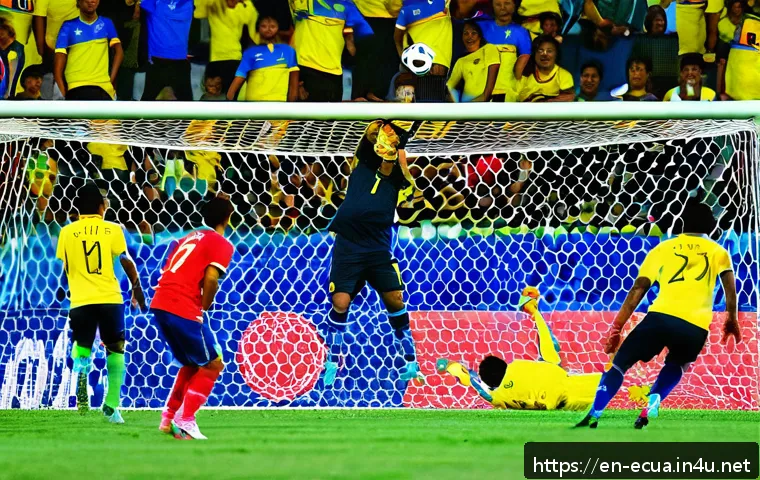
This shift disrupts opponents’ build-up play and forces errors, allowing Ecuador to regain possession in advantageous areas. Watching these games live, I sensed a newfound confidence and aggression in the backline that was previously missing, signaling a positive evolution in defensive mindset.
Role of Goalkeeper in Defensive Organization
The goalkeeper’s role extends beyond shot-stopping to orchestrating the defensive line and initiating counterattacks. Ecuador’s goalkeepers have increasingly taken command of their area, communicating effectively and positioning themselves to anticipate threats.
Their distribution skills have also improved, enabling quick transitions from defense to attack. I recall matches where the keeper’s quick throws or accurate long balls caught opponents off guard, turning defense into offense seamlessly.
This expanded role adds a valuable dimension to Ecuador’s overall game plan.
Defensive Midfielders as Shield and Catalyst
The presence of disciplined defensive midfielders who break up opposition play and protect the backline is critical. Ecuador’s midfield anchors excel at intercepting passes, tackling smartly, and covering spaces left by advancing fullbacks.
Their ability to recycle possession swiftly also supports smoother transitions, preventing the defense from being overwhelmed. From a tactical standpoint, these midfielders act as both shield and catalyst, balancing defensive duties with launching attacks, a dual role that enhances team cohesion.
Comparative Insights: Ecuador Versus Other South American Teams
Performance Metrics in Recent World Cups
When placed alongside South American counterparts like Brazil, Argentina, and Uruguay, Ecuador’s World Cup performances reveal interesting contrasts and similarities.
While not yet matching the consistency or trophy haul of the giants, Ecuador holds its own in key areas such as defensive resilience and tactical flexibility.
Their goal conversion rates and possession stats tend to be lower than the top-tier teams but show steady improvement. This comparative perspective highlights Ecuador’s progress and areas requiring focus, such as offensive creativity and game management under pressure.
Stylistic Differences and Cultural Influence
South American football is often celebrated for flair and technical brilliance, but Ecuador’s style incorporates a distinct blend of physicality, discipline, and pragmatism.
This approach reflects the country’s football culture, emphasizing hard work, teamwork, and tactical awareness over individual brilliance. I found this pragmatic style refreshing, especially when Ecuador manages to stifle more flamboyant teams through sheer organization and resilience.
It’s a reminder that there are multiple pathways to success on football’s grandest stage.
Investment in Infrastructure and Coaching
Compared to neighboring nations, Ecuador has made notable strides in improving football infrastructure and coaching education. These investments contribute directly to player development and competitive readiness.
While Brazil and Argentina benefit from long-established systems, Ecuador’s rapid progress is impressive given its smaller resources. The focus on modern training facilities, youth academies, and coach licensing programs demonstrates a strategic vision aimed at long-term competitiveness.
This groundwork is crucial for maintaining upward momentum in future tournaments.
Key Statistical Highlights of Ecuador’s World Cup Campaigns
| World Cup Year | Matches Played | Wins | Draws | Losses | Goals Scored | Goals Conceded | Best Stage Reached |
|---|---|---|---|---|---|---|---|
| 2002 | 3 | 1 | 0 | 2 | 4 | 6 | Group Stage |
| 2006 | 4 | 2 | 0 | 2 | 4 | 5 | Round of 16 |
| 2014 | 3 | 1 | 1 | 1 | 4 | 4 | Group Stage |
| 2018 | 3 | 1 | 0 | 2 | 2 | 5 | Group Stage |
| 2022 | 4 | 2 | 1 | 1 | 6 | 5 | Round of 16 |
In Conclusion
Ecuador’s journey in the World Cup reflects a remarkable evolution in tactics, player development, and overall team maturity. Their ability to balance defensive solidity with creative attacking play has made them a competitive force on the global stage. Observing their progress, it’s clear that strategic planning and investment in youth are paving the way for a promising future. Ecuador continues to grow, proving that dedication and adaptability can elevate any footballing nation.
Useful Information to Know
1. Ecuador has transitioned from a defensive, reactive style to a more balanced and possession-based approach, enhancing their competitiveness against top teams.
2. Key players, especially midfielders and fullbacks, now play versatile roles that contribute both defensively and offensively, adding depth to the team’s tactics.
3. Set pieces have become a crucial part of Ecuador’s scoring strategy, with well-rehearsed routines improving their effectiveness in dead-ball situations.
4. The integration of young talent, combined with experience gained from playing in European leagues, is strengthening Ecuador’s squad for future tournaments.
5. Ecuador’s defensive strategies have evolved to a proactive style, with goalkeepers and defensive midfielders playing pivotal roles in organizing and launching attacks.
Key Takeaways
Ecuador’s tactical growth and player development have significantly enhanced their World Cup performances, showing clear progress in both offense and defense. The team’s ability to maintain discipline while adapting to modern football demands underscores their rising professionalism. Continued investment in youth and infrastructure is essential for sustaining this upward trajectory. Overall, Ecuador demonstrates that consistent effort and strategic planning can bridge gaps with more established footballing nations, positioning them well for future success.
Frequently Asked Questions (FAQ) 📖
Q: What makes Ecuador’s World Cup performance stand out compared to previous tournaments?
A: Ecuador’s recent World Cup outings have showcased a blend of tactical discipline and emerging young talent that wasn’t as evident before. Unlike earlier tournaments where the team struggled to maintain consistency, this time around, their defensive resilience combined with a sharper attacking approach has made them a tougher opponent.
Watching them adapt quickly to different styles of play and maintaining composure under pressure really highlights their growth on the world stage.
Q: Are there any surprising statistics about Ecuador’s World Cup journey that fans might not know?
A: Absolutely! One interesting stat is how Ecuador’s average possession rate has increased compared to previous World Cups, reflecting their evolving style from a purely counter-attacking team to one that can control the ball more effectively.
Additionally, their set-piece conversion rate has improved, showing a focus on capitalizing on every scoring opportunity. These numbers might seem small but they reveal how the team is fine-tuning details that can make a huge difference in tight matches.
Q: What potential does Ecuador have for future World Cups based on current trends?
A: The future looks promising for Ecuador. With a crop of young players gaining valuable international experience and the coaching staff emphasizing strategic flexibility, the team is building a solid foundation for upcoming tournaments.
If they continue nurturing talent and refining their game management, Ecuador could transition from being dark horses to genuine contenders. From what I’ve seen, their hunger and tactical maturity suggest they’re gearing up to leave an even bigger mark in the years ahead.