Hey there, fellow adventurers and nature lovers! If you’re anything like me, your heart beats a little faster at the thought of truly wild, untouched beauty.
And let me tell you, when it comes to jaw-dropping natural landscapes, Ecuador is an absolute showstopper. It’s not just a country; it’s a living, breathing testament to incredible biodiversity and geological wonders that frankly, sometimes feel like they belong on another planet.
I’ve personally spent countless hours poring over maps, travel guides, and even chatting with locals, and what I’ve discovered is a vibrant tapestry woven from towering Andean peaks, lush Amazonian rainforests, pristine Pacific coastlines, and of course, the unparalleled magic of the Galapagos Islands.
Each corner of this compact nation holds a unique allure, offering experiences that stay with you long after you’ve returned home. We’re talking about places where you can witness condors soaring over volcanoes, trek through cloud forests teeming with orchids, or swim alongside sea turtles in crystal-clear waters.
It’s truly a paradise for those who seek genuine connection with nature, and frankly, some of the most awe-inspiring sights I’ve ever laid eyes on. It’s becoming more and more important to travel consciously and appreciate these natural treasures responsibly, and Ecuador is truly at the forefront of sustainable tourism, offering so many incredible ways to experience its wonders without leaving a trace.
So, if you’re dreaming of your next epic journey, or just want to virtually escape to some of the planet’s most magnificent spots, you’re in for a treat.
Let’s delve into the absolute best natural landscapes Ecuador has to offer, and I promise you, you’ll be adding more than a few to your bucket list! Let’s explore them in detail!
Exploring the Verdant Labyrinth of the Amazon
Deep Dives into the Jungle’s Secrets
When I first considered the Ecuadorian Amazon, I honestly pictured dense, impenetrable jungle, a place that felt almost too wild for a comfortable journey.
But oh, how wrong I was! What I found was a vibrant, pulsating ecosystem brimming with life, a place where every rustle in the leaves could mean a new discovery.
My personal experience, venturing into areas like Yasuni National Park, was nothing short of transformative. You’re not just observing nature here; you’re immersed in it, feeling the humidity cling to your skin, hearing the symphony of unseen creatures, and smelling the rich, earthy scent of ancient forests.
It’s a sensory overload in the most beautiful way possible, and frankly, it makes you feel incredibly alive. The sheer scale of biodiversity is mind-boggling – from iridescent hummingbirds flitting through the canopy to sloths moving at their own leisurely pace, every moment is a chance to witness something truly unique.
I recall one morning, waking up to the calls of howler monkeys, a sound that resonated deep within my chest, reminding me just how far I was from city lights and sounds.
It’s this raw, unfiltered connection with the wild that makes the Amazon an absolute must-see, and it’s an experience that will challenge your perceptions and deepen your appreciation for our planet’s wild spaces.
It’s a place where the air itself feels ancient, and every breath is a reminder of the Earth’s enduring power.
River Journeys and Indigenous Encounters
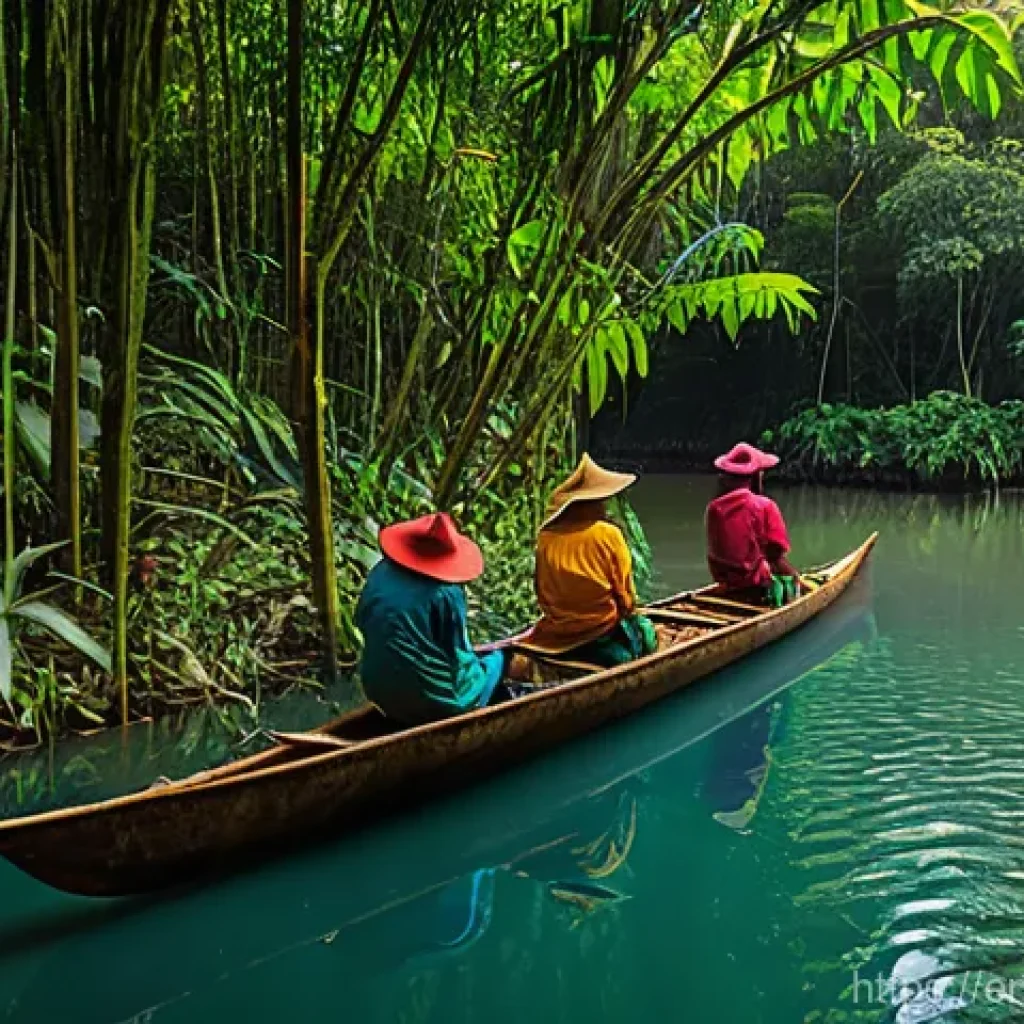
Navigating the winding rivers of the Amazon, particularly the Napo River, was for me, like stepping back in time. There’s something profoundly serene about gliding through the water, watching the dense jungle reflect on the surface, and knowing that you’re in a place largely untouched by modern clamor.
My guides, often locals with generations of knowledge, shared insights that no textbook could ever provide – pointing out medicinal plants, tracking elusive animals, and sharing stories of their ancestral lands.
These encounters with indigenous communities, like the Kichwa, were incredibly humbling. Learning about their sustainable way of life, their deep respect for the forest, and their vibrant traditions really opened my eyes.
It wasn’t just a sightseeing trip; it was an education in harmony and resilience. I felt a genuine connection, sitting with elders and hearing their tales, realizing that their wisdom is intrinsically linked to the health of this incredible forest.
This isn’t just a destination; it’s an opportunity to connect with cultures that have lived in balance with nature for centuries, offering a perspective that’s so often missing in our fast-paced world.
Trust me, the stories you’ll hear and the lessons you’ll learn here will stick with you long after you’ve left the jungle’s embrace. It’s truly a place that calls to your soul, inviting you to slow down and truly see.
Ascending to Andean Majesty: Peaks and Valleys
The Avenue of Volcanoes and its Secrets
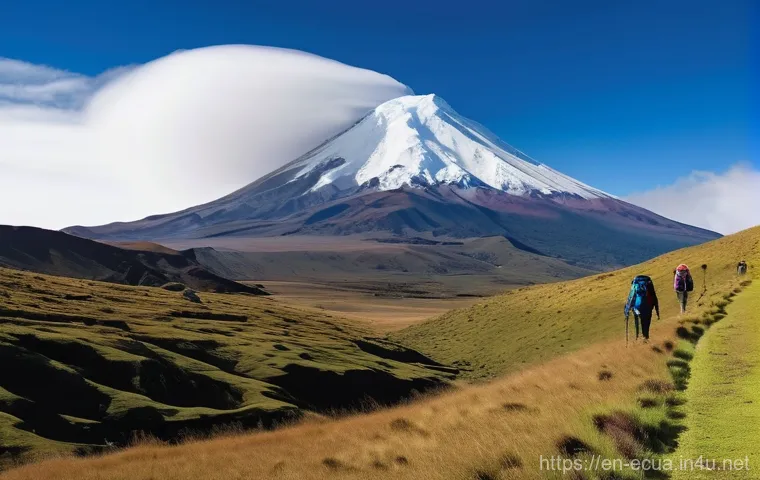
Oh, the Andes! If there’s one landscape that truly steals my breath away every single time, it’s the majestic “Avenue of Volcanoes” in Ecuador. I’ve trekked through countless mountain ranges, but the sheer scale and raw power you feel here are just unparalleled.
Picture this: you’re driving through a valley, and on either side, perfectly conical, snow-capped volcanoes pierce the sky, some dormant, others rumbling with hidden energy.
Cotopaxi and Chimborazo – these aren’t just names on a map; they are living giants that dominate the landscape and the local psyche. My own journey involved a breathtaking hike near Cotopaxi, where the air was crisp and thin, and the vastness of the paramo stretched out before me.
I remember feeling so small, yet so connected to the immense power of the Earth. It’s a challenge, yes, with the altitude and the demanding trails, but the reward of reaching a viewpoint and seeing these titans spread out beneath a vast, blue sky is an emotional experience that honestly brings tears to your eyes.
You’re not just seeing mountains; you’re witnessing the Earth’s dramatic artistry on a grand scale, a testament to geological forces that shaped our world.
The way the light plays on their slopes, the clouds swirling around their summits – it’s a constant, evolving masterpiece. And if you’re lucky, you might even spot a condor soaring effortlessly on the thermals, a true king of these high altitudes.
Hidden Lakes and High-Altitude Wonders
Beyond the iconic peaks, the Ecuadorian Andes hide a treasure trove of high-altitude lakes and pristine paramo ecosystems that are, in my humble opinion, absolutely magical.
Laguna Quilotoa, for instance, is one of those places that feels almost surreal. I distinctly remember hiking down into its caldera, the water a mesmerizing turquoise blue, surrounded by the steep, colorful walls of the extinct volcano.
The sheer effort of the climb back up was totally worth it for the views and the profound sense of accomplishment. It’s a place that makes you pause, reflect, and just soak in the raw, untamed beauty.
Then there are lesser-known gems, like the multitude of small, glacial lakes you stumble upon during multi-day treks, each one a mirror reflecting the vast Andean sky.
These are not just scenic spots; they’re vital ecosystems teeming with unique flora and fauna, adapted to the harsh, high-altitude conditions. If you’re anything like me, you’ll find yourself completely captivated by the stark beauty of the paramo, a unique grassland ecosystem dotted with hardy plants and occasional bursts of colorful wildflowers.
It’s a challenging environment, but one that rewards the intrepid traveler with unparalleled solitude and spectacular vistas that few get to experience.
Every turn in the trail offers a new perspective, a new wonder to behold, making every step an adventure in itself.
The Whispering Cloud Forests: A Biodiverse Canopy
Mindo’s Marvels and Beyond
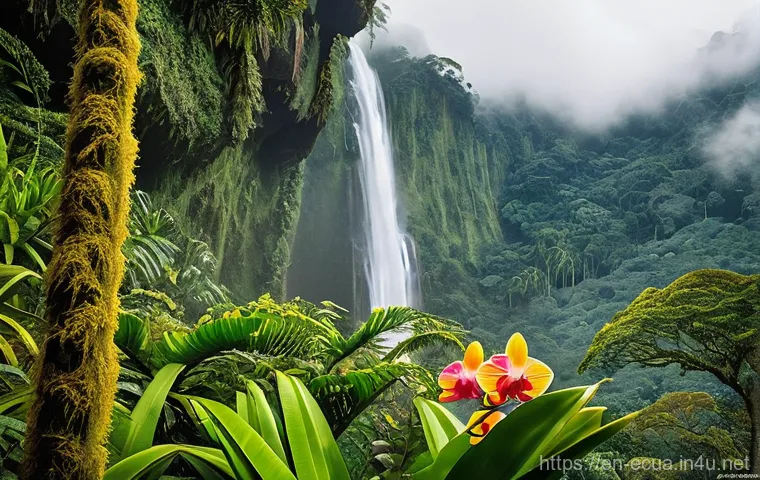
Stepping into Ecuador’s cloud forests, particularly around Mindo, felt like entering a real-life fairy tale. I’m talking about forests perpetually shrouded in a gentle mist, where every tree trunk is adorned with an incredible array of orchids, bromeliads, and mosses.
It’s a level of lushness and biodiversity that I honestly hadn’t thought possible. My personal journey through these forests was a constant series of “wow” moments.
One morning, I was simply sitting on a lodge balcony, sipping coffee, and suddenly, a vibrant toucan flew past, followed by a flurry of iridescent hummingbirds.
Birdwatching here isn’t just a hobby; it’s an immersive experience, with species I’d only ever seen in books suddenly flitting right before my eyes. The air is always fresh, carrying the scent of damp earth and exotic flowers, and the soundscape is a constant symphony of chirps, calls, and the gentle drip of water.
It truly is a haven for nature enthusiasts and photographers alike. The guides here, who practically grew up in these woods, have an uncanny ability to spot creatures camouflaged against the vibrant green, from tiny glass frogs to elusive quetzals.
If you’re looking for a place where nature’s artistry is on full display and where every corner promises a new discovery, the cloud forests are calling your name.
Cascading Wonders and Canopy Adventures
The cloud forests aren’t just about the flora and fauna; they’re also home to some incredibly picturesque waterfalls and thrilling outdoor adventures.
I remember one particular hike in the Mindo-Nambillo Cloud Forest Reserve, leading to a series of stunning cascades where the water thundered down into crystal-clear pools.
Taking a refreshing dip in one of those natural pools, surrounded by the emerald embrace of the forest, was an experience that invigorated both body and soul.
It’s a stark contrast to the drier, more rugged landscapes, offering a different kind of natural beauty. And for those with an adventurous spirit, the canopy ziplining and river tubing are absolute must-dos.
I’m usually a bit hesitant with heights, but soaring through the treetops on a zipline, feeling the wind rush past and seeing the forest canopy spread out beneath me, was an exhilarating rush I’ll never forget.
It’s a fantastic way to get a bird’s-eye view of this incredible ecosystem and experience its vastness from a completely different perspective. These activities aren’t just fun; they offer a unique way to interact with the environment, creating memories that are truly priceless and fostering a deeper appreciation for the delicate balance of these incredible ecosystems.
| Region | Key Landscape | Must-See Wildlife | Top Activities |
|---|---|---|---|
| Amazon | Dense rainforest, winding rivers | Monkeys, sloths, jaguars (rare), macaws, river dolphins | Jungle treks, river boat tours, indigenous community visits, birdwatching |
| Andes | Snow-capped volcanoes, paramo grasslands, high-altitude lakes | Condors, llamas, spectacled bears (rare), various birds | Volcano climbing, hiking (e.g., Quilotoa), horseback riding, thermal baths |
| Cloud Forest | Lush, misty mountainsides, waterfalls | Hummingbirds, toucans, orchids, quetzals, butterflies | Birdwatching, ziplining, waterfall hikes, chocolate tours |
| Pacific Coast | Sandy beaches, mangrove estuaries, dry forests | Humpback whales (seasonal), sea lions, frigatebirds, marine iguanas | Whale watching, snorkeling, surfing, relaxing on beaches, Machalilla NP exploration |
| Galapagos | Volcanic islands, pristine marine reserves | Giant tortoises, marine iguanas, blue-footed boobies, sea lions, sharks | Snorkeling/diving, island hopping, wildlife viewing, photography |
Pacific’s Pristine Embrace: Coastal Charms and Marine Wonders
From Mangrove Swamps to Sun-Kissed Beaches
While many think of Ecuador for its mountains and jungles, I’m here to tell you, the Pacific coastline holds its own spectacular charm and incredible natural diversity.
Forget crowded resorts; here, you’ll find stretches of unspoiled beaches, dramatic cliffs, and vital mangrove ecosystems teeming with life. My own coastal explorations took me to Machalilla National Park, a place that felt like a hidden gem.
I was struck by the raw beauty of it all – the powerful ocean waves crashing against the shore, the golden sand stretching for miles, and the unique dry forest clinging to the hillsides.
It’s a different kind of wild, but no less captivating. Walking along the deserted Playa Los Frailes, with the sun warming my skin and the fresh sea air filling my lungs, was pure bliss.
It’s a perfect spot for those who seek tranquility and a genuine connection with the ocean. And the mangroves! These intricate root systems are nurseries for countless marine species, and a kayak trip through them reveals a fascinating world of crabs, birds, and even the occasional small crocodile.
It truly highlights Ecuador’s incredible ecological range, from the highest peaks to the ocean’s edge, offering a mosaic of natural wonders that constantly surprise and delight.
Humpback Whales and Marine Life Spectacles
If you visit the Ecuadorian coast during the right season (typically June to October), you’re in for one of nature’s most magnificent spectacles: the migration of humpback whales.
I’ve been fortunate enough to witness these gentle giants breaching and tail-slapping off the coast of Puerto Lopez, and let me tell you, it’s an experience that leaves you utterly speechless.
The sheer size and grace of these creatures are awe-inspiring, and seeing them in their natural habitat is a humbling reminder of the ocean’s power and mystery.
Beyond the whales, the marine life here is incredibly rich. Snorkeling or diving in the clearer waters, especially around Isla de la Plata (often called “the poor man’s Galapagos” due to its similar wildlife), is an adventure in itself.
I’ve swum alongside vibrant reef fish, spotted playful sea lions, and even watched magnificent frigatebirds soaring overhead. The coastal waters are a vibrant tapestry of life, supporting everything from tiny seahorses to majestic manta rays.
It’s a place where the rhythm of the tides dictates life, and every ripple in the water holds a promise of discovery. The feeling of being so close to such incredible marine creatures, in their own element, is truly unforgettable and reaffirms my belief that we must protect these precious ecosystems at all costs.
Unveiling the Galapagos’ Ancient Secrets: An Evolutionary Hotspot
Islands of Endemic Wonders
Ah, the Galapagos! Even the name conjures images of unique wildlife and evolutionary marvels. I remember the moment my foot first touched the volcanic soil of Santa Cruz Island – it felt like stepping onto another planet, or perhaps, back in time.
This archipelago, a living laboratory of evolution, is unlike anywhere else on Earth, and if you ask me, it’s Ecuador’s crowning natural jewel. What truly sets the Galapagos apart is the sheer fearlessness of its wildlife.
You can literally walk among giant tortoises, marine iguanas, and blue-footed boobies without them batting an eye. My personal encounters with these creatures were beyond anything I could have imagined – watching a sea lion pup play fearlessly at my feet, or observing a frigatebird inflate its vibrant red throat pouch during mating season, all from just a few feet away.
It’s an intimate connection with nature that few places on earth can offer. The islands themselves are a mosaic of stark volcanic landscapes, pristine white-sand beaches, and crystal-clear turquoise waters, each island boasting its own unique set of endemic species and geological formations.
It’s a place that forces you to slow down, observe, and truly appreciate the incredible resilience and diversity of life.
Snorkeling with Sharks and Diving into History
While the land-based wildlife of the Galapagos is iconic, the underwater world is equally, if not more, spectacular. I’ve always loved snorkeling, but the Galapagos took it to a whole new level for me.
Imagine swimming with playful sea lions, gracefully gliding alongside green sea turtles, and even spotting reef sharks cruising beneath you – all in crystal-clear visibility.
It’s an exhilarating rush that makes you feel like you’re part of an entirely different realm. My most vivid memory is snorkeling off Kicker Rock, a dramatic volcanic formation, where I saw a school of hammerhead sharks from a respectful distance.
It was an adrenaline-pumping, yet strangely peaceful, experience. The volcanic origins of the islands create dramatic underwater landscapes, with lava tunnels and incredible rock formations providing shelter for a kaleidoscope of marine life.
Beyond the incredible marine encounters, there’s also the profound historical significance – knowing that Darwin walked these very shores, formulating his groundbreaking theories.
Every snorkel, every dive, feels like a journey not just into nature, but into the very history of scientific discovery. The vibrant coral reefs, the teeming schools of fish, and the majestic marine mammals make the Galapagos an unparalleled destination for anyone who loves the ocean and its myriad wonders.
Volcanic Grandeur and Geothermal Wonders
The Fiery Heart of the Andes
Ecuador is literally built on fire, or rather, the remnants and active pulse of it, and nowhere is this more evident than in its stunning array of volcanoes and geothermal features.
Beyond the big names like Cotopaxi, there are so many other incredible spots where you can witness the Earth’s powerful forces at play. I remember a particularly invigorating visit to the hot springs near Baños de Agua Santa, nestled at the foot of the active Tungurahua volcano.
Soaking in the mineral-rich waters, with the steam rising and the mountain air chilling, was an utterly unique experience. It’s a reminder that even amidst potential danger, there’s immense beauty and natural therapeutic power.
The volcanic landscapes themselves are often stark and beautiful, a canvas of black lava flows contrasting with vibrant green vegetation or bright blue skies.
These areas offer some of the most dramatic hiking and photography opportunities you could ask for, challenging you physically while rewarding you with unparalleled views.
It’s a landscape that constantly reminds you of the dynamic, ever-changing nature of our planet, a truly humbling and awe-inspiring experience that sticks with you long after the journey ends.
Thermal Springs and Healing Waters
If you’re looking for a natural spa experience unlike any other, Ecuador’s geothermal springs are an absolute dream. After days of hiking or exploring, there’s nothing quite like the feeling of sinking into naturally heated, mineral-infused waters.
I’ve sought out these hidden gems across the country, from the well-known resorts to more rustic, local spots. One of my favorites was a lesser-known spring high in the mountains, where the only sounds were the wind and the distant calls of birds.
It felt like a truly ancient ritual, connecting with the Earth’s inner warmth. These springs aren’t just relaxing; many locals believe they hold healing properties, and honestly, after a good soak, you feel revitalized and ready for your next adventure.
It’s a perfect blend of natural beauty and profound relaxation, offering a unique way to unwind and appreciate the powerful geological forces shaping this incredible country.
These waters are often surrounded by lush vegetation, creating a serene and private oasis where you can truly disconnect and rejuvenate, a testament to the Earth’s natural abundance and generosity.
Hidden Sanctuaries and Sustainable Escapes
Beyond the Beaten Path: Eco-Lodges and Reserves
One of the things I truly appreciate about Ecuador is its commitment to sustainable tourism, which means you can find incredible natural experiences that go far beyond the typical tourist trails.
My personal quest often involves seeking out these hidden sanctuaries, places where eco-lodges blend seamlessly with their surroundings and conservation is at the heart of everything they do.
I vividly recall a stay at a remote lodge in a private cloud forest reserve, where the focus was entirely on immersing guests in nature with minimal impact.
Waking up to the sounds of the forest, dining on locally sourced food, and participating in reforestation efforts felt incredibly meaningful. These aren’t just hotels; they’re experiences designed to educate and inspire, showing you how beautiful and delicate these ecosystems truly are.
They offer a unique opportunity to connect with nature on a deeper level, away from the crowds, and to truly understand the efforts being made to protect these invaluable natural resources for future generations.
It’s a powerful reminder that responsible travel can truly make a difference, and it ensures that the beauty you experience today will be there for others tomorrow.
Community-Based Tourism: Authentic Connections
Ecuador also shines brightly when it comes to community-based tourism, an approach that allows you to experience natural landscapes while directly supporting local communities and their conservation efforts.
This is where you get to move beyond being just a spectator and become a participant in the local culture and environmental stewardship. I’ve had the privilege of staying in indigenous communities in the Amazon, learning about their traditional farming methods, their spiritual connection to the land, and their incredible knowledge of the forest.
These are genuine, authentic encounters that provide a completely different perspective on the natural world and the people who live within it. It’s not just about seeing beautiful scenery; it’s about building bridges, sharing stories, and understanding the intricate relationship between humans and nature.
These experiences have always left an indelible mark on me, offering insights into sustainable living and the importance of cultural preservation. If you’re looking for a travel experience that’s both enriching for you and beneficial for the places you visit, seeking out these community-run initiatives is, in my opinion, one of the most rewarding ways to explore Ecuador’s stunning natural landscapes.
Concluding Thoughts
And there you have it, fellow adventurers! My journey through Ecuador’s incredible natural landscapes has been nothing short of life-changing, a vivid tapestry woven with the vibrant threads of the Amazon, the towering majesty of the Andes, the misty enchantment of the cloud forests, and the unique evolutionary wonders of the Galapagos. Each region offers its own distinct charm and challenges, yet all are united by an undeniable, breathtaking beauty and a profound sense of wildness that truly captivates the soul. It’s a place that forces you to disconnect from the mundane and reconnect with the raw, untamed heart of our planet, leaving you with memories that will undoubtedly last a lifetime and a renewed appreciation for the natural world.
Useful Information to Know
1. Pack Smart for Diverse Climates: Ecuador is a land of extremes! You’ll need lightweight, breathable clothing for the Amazon and coast, warm layers and waterproof gear for the Andes (especially at altitude), and quick-drying attire for the cloud forest. Don’t forget a good hat, sunscreen, insect repellent, and sturdy hiking boots.
2. Embrace Local Expertise: Seriously, consider hiring local guides. Their generational knowledge of the ecosystems, wildlife, and cultural nuances is invaluable. It not only enriches your experience but also directly supports local communities, aligning with responsible tourism principles.
3. Acclimatize to Altitude: If you’re heading to the Andes, give yourself a day or two to adjust to the elevation. Stay hydrated, avoid heavy meals, and take it easy. Soroche (altitude sickness) is real, but manageable if you prepare.
4. Practice Responsible Tourism: Always respect wildlife by maintaining a safe distance and never feeding them. Stick to marked trails, minimize your waste, and choose eco-friendly accommodations and tour operators. Your choices make a difference in preserving these pristine environments.
5. Learn Basic Spanish Phrases: While many in tourist areas speak English, a few basic Spanish phrases go a long way, especially when interacting with local communities. It shows respect and can open doors to more authentic experiences.
Key Takeaways
Ecuador truly is a microcosm of the world’s natural wonders, offering unparalleled biodiversity from the deepest jungles to the highest peaks and the most unique island ecosystems. My biggest takeaway? Go with an open mind, a spirit of adventure, and a deep respect for the incredible nature and cultures you’ll encounter. You’re not just visiting; you’re becoming a part of something truly special, and it will undoubtedly change your perspective on travel and our planet forever. Remember to book tours and accommodations that prioritize sustainability to ensure these wonders endure.
Frequently Asked Questions (FAQ) 📖
Q: What exactly makes Ecuador such a unique and must-visit spot for someone passionate about nature?
A: Oh, where do I even begin? When I first started researching Ecuador, I was genuinely floored by how much natural beauty is packed into such a relatively small country.
It’s like Mother Nature decided to put all her favorite masterpieces in one place! What truly sets Ecuador apart for us nature enthusiasts is its mind-blowing biodiversity across four distinct regions: the Andes, the Amazon, the Pacific Coast, and, of course, the Galapagos Islands, all within a surprisingly compact area.
You can literally wake up in the Amazon, have lunch in the Andes, and watch the sunset over the Pacific, all in the same day if you plan it right! This “four worlds in one” concept means you’re never far from a completely different ecosystem, each teeming with unique flora and fauna.
I’ve personally found that this incredible variety, from soaring volcanoes to dense cloud forests and pristine marine reserves, creates an “otherworldly” feel that genuinely captivates you, offering unparalleled opportunities for genuine connection with nature.
It’s not just a trip; it’s an immersive dive into the planet’s most vibrant ecosystems.
Q: You’ve painted a vivid picture! Can you give us a more concrete idea of the specific natural landscapes and wonders we’d actually encounter when we visit?
A: Absolutely! Let’s dive into the nitty-gritty, because Ecuador truly delivers on its promise of diverse wonders. My own travels and deep dives into local insights have shown me you’ll experience:
First, the Andes Mountains are just… epic.
Think majestic snow-capped volcanoes like Cotopaxi and Chimborazo, which is actually the closest point on Earth to outer space! You can trek through high-altitude páramo grasslands, which are these unique grassy highlands, explore mysterious cloud forests like Mindo, teeming with orchids and hundreds of bird species, and even discover stunning crater lakes such as Quilotoa, with its striking turquoise waters.
I’ve seen condors soaring there, and trust me, it’s a sight that sticks with you. Then, there’s the Amazon Rainforest, “El Oriente,” a vast expanse of lush tropical forest that covers nearly a third of the country.
It’s a hotspot for biodiversity, where you can spot freshwater dolphins, monkeys, anacondas, caimans, and even jaguars if you’re lucky. My experience tells me that staying in an eco-lodge here and taking river trips by canoe will immerse you in a world of incredible sounds and vibrant life.
The Pacific Coastline might surprise you with its beautiful beaches like Los Frailes, known for being incredibly pristine, and bustling surf towns like Montañita.
This is also where you can go whale watching for humpbacks between June and September, a truly spectacular experience I’ve always dreamed of doing! And finally, the crown jewel: the Galapagos Islands.
This archipelago is a living laboratory of evolution, famous for its unique wildlife that has no fear of humans. Imagine snorkeling with playful sea lions, getting up close with giant tortoises, or watching blue-footed boobies do their quirky mating dance.
Every island has its own distinct charm and array of creatures, and it truly feels like stepping onto another planet. It’s an unparalleled wildlife-watching destination.
Q: With such delicate ecosystems, how well does Ecuador manage to balance tourism with preserving its natural beauty? What should we know about sustainable travel there?
A: This is such a crucial question, and it’s something I’m personally very passionate about. From what I’ve observed and learned, Ecuador is genuinely at the forefront of sustainable tourism, which is incredibly encouraging.
The country understands that its natural treasures are its greatest asset, and there’s a strong, concerted effort to protect them for future generations.
Ecuador has a robust network of 11 national parks and 14 nature reserves, protecting vast amounts of land and ensuring that human activity is carefully regulated, especially in sensitive areas like the Galapagos Islands, where 97% of the land is protected.
My advice is to always look for tour operators and lodges that prioritize ethical practices. Many places, particularly in the Amazon, are community-owned and operated, meaning your tourism dollars directly benefit local indigenous communities and fund conservation efforts.
For example, initiatives like the Sani Lodge in Yasuní or community-run ecolodges often put all profits back into healthcare and education for local Kichwa communities.
Beyond choosing ethical operators, you can be a responsible traveler by reducing your footprint. I always recommend bringing a reusable water filter since plastic bottles are discouraged in national parks.
Opting for buses or shared transport over domestic flights where feasible can also help. Ecuador has even received international recognition, being hailed as the “World’s Leading Green Destination” multiple times at the World Travel Awards, and their national sustainability standards adhere to global criteria.
It’s clear they are seriously committed to protecting their natural wonders, and by choosing wisely, we can all play a part in preserving this extraordinary paradise.