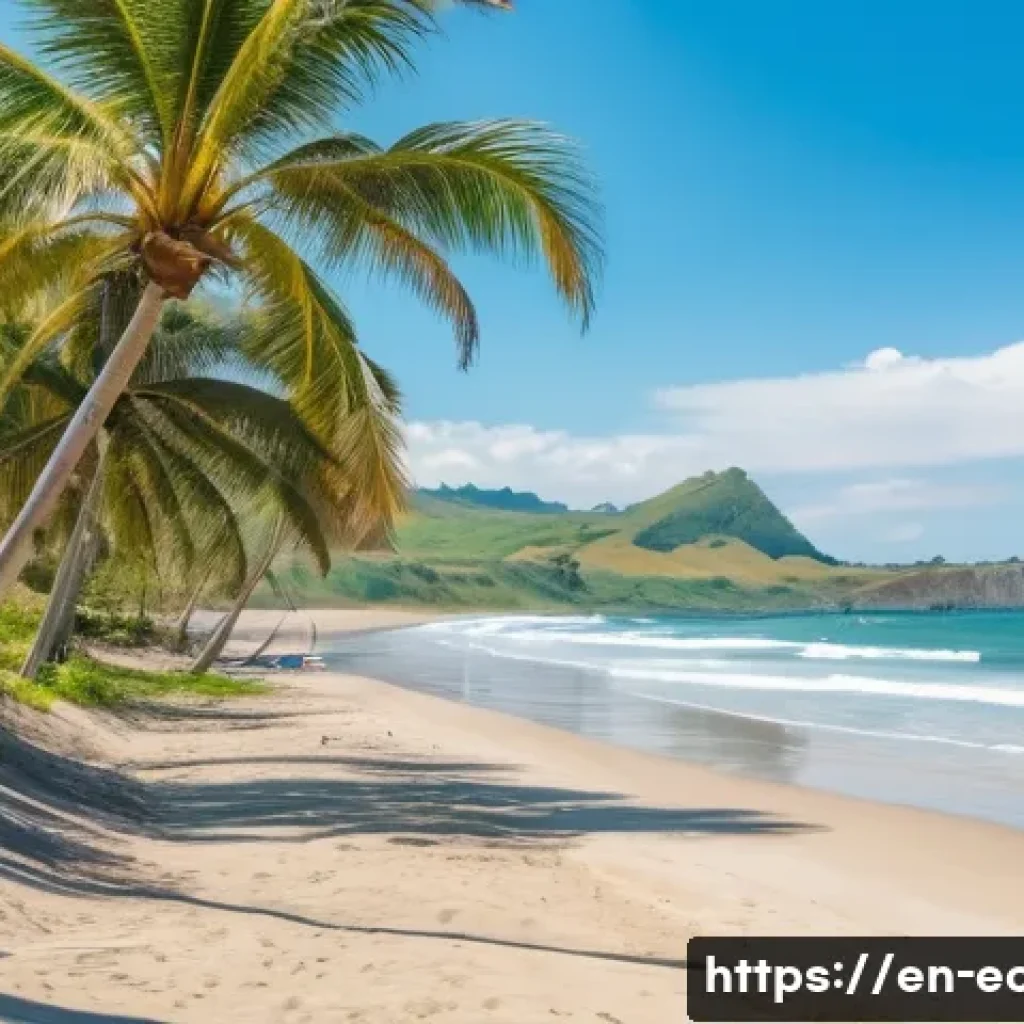
Ecuador’s coastline is a hidden gem for surfers seeking both thrilling waves and stunning scenery. From the warm waters of the Pacific to uncrowded beaches, the country offers a diverse range of surf spots suitable for all skill levels.
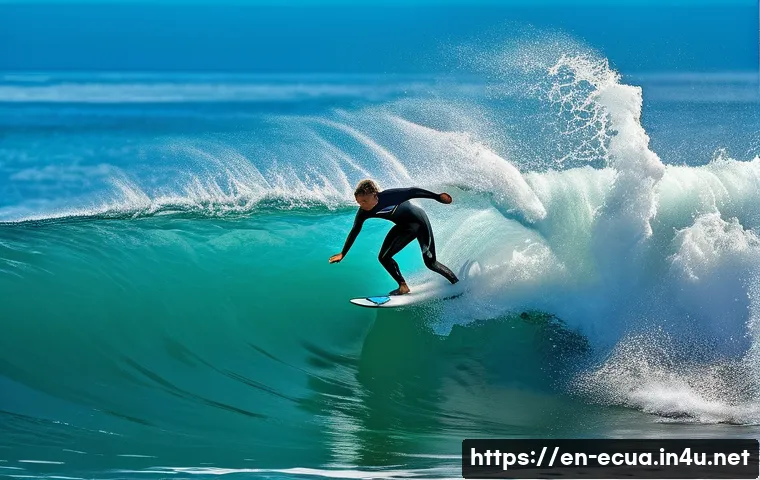
Whether you’re chasing big swells or just want to enjoy a laid-back beach vibe, Ecuador has something special to offer. Over the past few years, its surf culture has been growing rapidly, attracting adventurers from around the world.
If you’ve been dreaming of your next surf trip, Ecuador might just be the perfect destination. Let’s dive deeper into the best beaches to catch waves and make unforgettable memories!
Discovering Ecuador’s Coastal Surf Scene
Hidden Surf Spots Away from the Crowds
If you’re tired of the typical crowded surf destinations, Ecuador’s coast offers a refreshing alternative. Along its nearly 2,900 kilometers of coastline, there are countless secluded beaches where you can find waves almost all to yourself.
One of the best things I noticed when exploring these spots was how peaceful it felt to paddle out without a dozen surfers jockeying for position around you.
The vibe is incredibly laid-back, and the locals are welcoming, adding to the charm. Whether you’re an intermediate surfer looking to improve or a seasoned pro hunting for untouched breaks, Ecuador’s lesser-known beaches deliver a unique blend of solitude and quality waves that’s hard to find elsewhere.
The Variety of Wave Types Along the Coast
What surprised me most about Ecuador’s surf scene is the diversity in wave conditions. From mellow beach breaks perfect for beginners to powerful reef breaks that challenge even the most experienced surfers, there’s something for everyone.
For instance, in spots like Montañita, you’ll find consistent beach breaks with easy takeoffs, ideal for longboarding or learning to carve. In contrast, Punta Carnero offers more aggressive reef breaks with stronger barrels, perfect for thrill-seekers.
This variety means you can tailor your trip depending on your skill level or even switch it up day-to-day, keeping the experience fresh and exciting.
Seasonal Swells and Best Times to Surf
Timing your surf trip to Ecuador can significantly impact the quality of waves you’ll encounter. The prime surf season typically runs from December to April, coinciding with the rainy season, which brings consistent swells and warmer water temperatures.
I found the water surprisingly warm during this time, eliminating the need for thick wetsuits and allowing for longer sessions. Conversely, the drier months between May and November bring smaller, more manageable waves, which are excellent for beginners or those wanting to relax more on the beach.
Understanding these seasonal patterns helped me plan my visits to maximize both wave quality and overall beach enjoyment.
Local Surf Culture and Community Vibes
Growing Popularity and Surf Schools
Over recent years, Ecuador’s surf culture has blossomed, attracting not just international tourists but also nurturing a strong local scene. Surf schools have popped up along popular beaches like Montañita and Ayampe, offering lessons for all ages and skill levels.
I took a few classes myself and appreciated how patient and knowledgeable the instructors were, creating a supportive environment that made learning fun and safe.
The community here is tight-knit but welcoming to newcomers, fostering a genuine connection among surfers. It’s clear that surfing isn’t just a sport here; it’s a lifestyle that locals take pride in and happily share with visitors.
Surf Festivals and Events
One of the most exciting aspects of Ecuador’s surf culture is the variety of festivals and competitions that happen throughout the year. These events bring together surfers from around the world and showcase the country’s vibrant coastal lifestyle.
I had the chance to attend a local surf festival in Montañita, and the atmosphere was electric — live music, food stalls, and of course, thrilling surf contests.
These gatherings are fantastic for meeting fellow surfers, experiencing local traditions, and celebrating the ocean’s power. For anyone planning a trip, syncing your visit with one of these events can add an unforgettable cultural dimension to your surfing adventure.
Respecting Local Traditions and Nature
What stands out when surfing in Ecuador is the deep respect locals have for their environment and cultural heritage. Many communities actively engage in sustainable tourism practices to preserve their pristine beaches and marine life.
I noticed frequent beach clean-ups and eco-friendly initiatives supported by surfers and residents alike. It’s important for visitors to honor these efforts by following local guidelines, avoiding litter, and supporting businesses that prioritize sustainability.
This respect not only protects Ecuador’s natural beauty but also enriches your experience by connecting you with a community that values the ocean’s health and their cultural roots.
Optimal Surf Spots for Every Level
Beginner-Friendly Beaches
If you’re just starting out or want a relaxed surf day, Ecuador offers several gentle beach breaks with forgiving waves. Playas Villamil is a prime example, featuring wide sandy shores and consistent small waves that make it easy to practice paddling and balance.
The warm water and soft sand bottom create a welcoming environment for newbies. I remember how encouraging the local instructors were here, making the learning curve feel less intimidating.
These spots are perfect for building confidence while soaking up the sun and enjoying stunning coastal views.
Intermediate Challenges with Consistent Swells
For those who have moved beyond the basics and crave more dynamic waves, beaches like Montañita and Ayampe provide steady swells that test your skills without being overwhelming.
Montañita, in particular, is famous for its lively surf scene and waves that break both left and right, allowing for varied maneuvers. I found the balance between wave size and frequency ideal for pushing myself while still having fun.
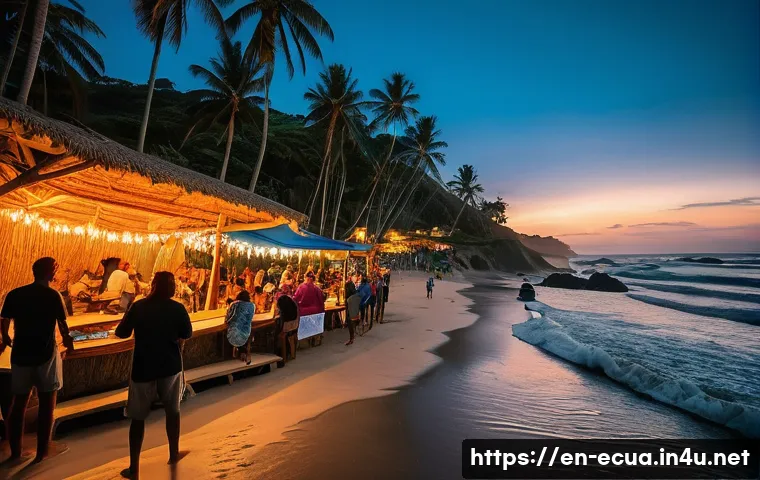
Plus, the town’s vibrant nightlife and surf shops add to the overall experience, making it easy to unwind after a day in the water.
Advanced Surfing and Big Wave Spots
Experienced surfers looking for adrenaline-pumping waves will find Ecuador’s coastline more than satisfying. Punta Carnero and Canoa offer powerful reef breaks with fast, hollow waves that demand respect and skill.
When I caught a few sessions at Punta Carnero, the intense barrels and sharp takeoffs reminded me of some of the best breaks I’ve surfed worldwide. These spots aren’t for the faint-hearted, but the rush of riding such waves is incomparable.
Just be sure to check local conditions and surf with a buddy, as the currents and reef can be challenging.
Essential Surf Gear and Local Rentals
What to Bring for Ecuador Surf Trips
Packing smartly can make or break your surfing experience in Ecuador. Given the warm water temperatures, I opted for a shorty wetsuit for early mornings and switched to boardshorts during the day.
A versatile board is key — something like a funboard or hybrid works well to handle the variety of waves along the coast. Don’t forget reef booties if you plan to surf the rocky breaks, as they protect your feet from sharp coral.
Sunscreen is a must since the sun here is strong year-round. I also recommend bringing a quality waterproof bag for your belongings when you hit the beach.
Renting Gear Locally: Convenience and Quality
If you prefer to travel light, Ecuador’s surf towns have plenty of rental shops offering everything from boards to wetsuits and accessories. I found the rental prices very reasonable, and the shops often provide advice on the best spots based on daily conditions.
In Montañita, for example, renting a board for a few days was hassle-free, and the equipment was well-maintained. It’s always a good idea to inspect gear carefully before renting, but overall, the local options make it easy to enjoy surfing without lugging your own gear across the globe.
Surfboard Transport Tips for Travelers
If you’re bringing your own surfboard, keep in mind the airline policies and packing strategies to avoid damage. I’ve learned from experience that using a padded board bag and adding extra cushioning around the fins can save your board from dents or cracks.
Some airlines charge fees for oversized luggage, so it’s wise to check in advance. Once in Ecuador, storing your board safely at your accommodation or surf camp is important to prevent theft or sun damage.
Many surf-friendly hostels offer secure storage, which I found very convenient during multi-day surf sessions.
Surf-Friendly Accommodations and Local Eats
Best Stays Near Top Surf Spots
Choosing the right place to stay can elevate your surf trip to a whole new level. Along Ecuador’s coast, you’ll find everything from budget hostels to boutique surf lodges designed specifically for surfers.
In Montañita, I stayed at a surf hostel that included board storage, easy access to the beach, and a social atmosphere perfect for meeting fellow surfers.
For those seeking more comfort, beachfront cabins or eco-resorts offer stunning views and added amenities like yoga classes and massage services. The proximity to surf breaks combined with cozy accommodations makes a huge difference after a long day riding waves.
Fueling Up with Local Cuisine
One of my favorite parts of surfing in Ecuador was sampling the local food, which is both delicious and energizing. Fresh seafood dominates the menu, with dishes like ceviche, grilled fish, and shrimp soup providing the perfect post-surf meal.
I also enjoyed trying plantain-based snacks and tropical fruits that kept my energy levels up during long surf days. Many beach towns have open-air markets and small eateries where you can savor authentic flavors at affordable prices.
Eating like a local not only supports the community but also deepens your connection to the place.
Balancing Surf and Relaxation
After hours in the water, it’s important to unwind and recharge. Many accommodations near surf spots offer amenities such as hammocks, outdoor lounges, and wellness activities like yoga or meditation sessions.
I found that taking time to relax and stretch after surfing helped me recover faster and improved my overall experience. The relaxed pace of life along Ecuador’s coast encourages surfers to slow down and appreciate the natural beauty, making the trip about more than just catching waves — it’s about embracing a lifestyle.
Planning Your Surf Adventure: Practical Tips
Getting There and Around
Most international travelers arrive via Quito or Guayaquil, Ecuador’s main airports. From there, reaching the coast is relatively straightforward with domestic flights or ground transportation.
I opted for a bus ride to Montañita, which was affordable and gave me a chance to see the countryside. Renting a car is also an option if you want the freedom to explore multiple surf spots at your own pace.
Keep in mind that some roads, especially near remote beaches, can be rough, so a vehicle with good clearance is helpful. Planning your route ahead saves time and ensures you hit the best waves.
Safety Considerations for Surfers
While Ecuador is generally safe for tourists, it’s important to take basic precautions, especially when surfing in less populated areas. Always check local surf reports and ask about conditions like rip currents or tides before heading out.
I recommend surfing with a buddy or letting someone know your plans if you’re going solo. Protecting your belongings on the beach and avoiding isolated spots after dark are smart moves.
Staying hydrated and using reef-safe sunscreen also contributed to a safer, more enjoyable experience during my trip.
Budgeting Your Surf Trip
Ecuador is known for being affordable, which makes it an attractive destination for surfers on various budgets. Accommodation, food, and rentals are reasonably priced compared to other popular surf countries.
I managed to keep daily costs low by staying in shared hostels and eating at local markets. However, splurging occasionally on a beachfront lodge or guided surf tour can be worth it for the added comfort and insider knowledge.
Budgeting carefully allowed me to extend my stay and surf multiple spots without breaking the bank.
| Surf Spot | Wave Type | Skill Level | Best Season | Nearby Amenities |
|---|---|---|---|---|
| Montañita | Beach Break | Beginner to Intermediate | Dec-Apr | Surf Schools, Restaurants, Nightlife |
| Punta Carnero | Reef Break | Advanced | Dec-Apr | Surf Rentals, Lodges |
| Playas Villamil | Beach Break | Beginner | May-Nov | Hostels, Local Markets |
| Ayampe | Beach and Reef Breaks | Intermediate | Dec-Apr | Eco-Lodges, Surf Schools |
| Canoa | Reef Break | Advanced | Dec-Apr | Surf Shops, Restaurants |
Wrapping Up
Exploring Ecuador’s coastal surf scene reveals a unique blend of uncrowded waves, diverse breaks, and a welcoming local community. Whether you’re a beginner or an expert, the country offers something special for every surfer. With its warm waters, vibrant culture, and stunning beaches, Ecuador is truly a hidden gem waiting to be discovered by surf lovers worldwide.
Useful Tips to Remember
1. Plan your trip between December and April for the best waves and warmer water temperatures.
2. Bring reef booties if you plan to surf rocky or reef breaks to protect your feet.
3. Rent surf gear locally to travel light and get expert advice on current conditions.
4. Respect local customs and environmental efforts by following sustainable tourism practices.
5. Always check surf conditions and safety guidelines before paddling out, especially in remote areas.
Key Takeaways
Understanding the seasonal surf patterns helps maximize your experience in Ecuador. Choosing the right surf spot based on your skill level ensures both safety and fun. Supporting local surf schools and businesses enhances the community and culture you engage with. Prioritizing eco-friendly practices preserves the pristine coastal environment for future surfers. Lastly, preparing well with appropriate gear and knowledge of local conditions makes your surf adventure both rewarding and hassle-free.
Frequently Asked Questions (FAQ) 📖
Q: What are the best times of year to surf on Ecuador’s coastline?
A: The prime surf season in Ecuador typically runs from December through April, when the Pacific Ocean delivers consistent swells and warmer water temperatures.
During these months, you can expect bigger waves, especially on the northern coast near spots like Montañita and Canoa. However, if you prefer smaller, more manageable waves, the off-season from May to November still offers surfable conditions with fewer crowds, making it ideal for beginners or those looking for a more relaxed vibe.
Q: Are Ecuador’s surf spots suitable for beginners, or are they mainly for experienced surfers?
A: Ecuador’s coastline caters to all skill levels. While some spots like Ayampe and Montañita offer powerful waves that challenge seasoned surfers, there are plenty of gentle beach breaks perfect for beginners.
Many surf schools and local instructors are available, especially in popular surf towns, providing lessons and board rentals. From my own experience, even if you’re new to surfing, you’ll find welcoming waves and supportive communities ready to help you progress.
Q: What makes Ecuador’s surf culture unique compared to other surfing destinations?
A: Ecuador’s surf culture stands out because of its blend of laid-back local charm and rapidly growing international influence. Unlike more commercialized surf spots, Ecuador offers uncrowded beaches where you can connect with local surfers who are genuinely passionate about the ocean.
The diverse coastline means you can find everything from remote, untouched waves to vibrant surf towns with lively nightlife. Having spent time there, I noticed how the surf lifestyle is deeply woven into the local way of life, creating an authentic and enriching experience for visitors.