Hey there, global adventurers and curious minds! Ever wondered how countries on opposite sides of the world build bridges, not just geographically, but economically and culturally?
Well, today, we’re diving into the fascinating and increasingly vibrant relationship between the stunning landscapes of Ecuador and the innovative powerhouse of South Korea.
It’s a connection that’s been quietly growing for decades, but trust me, things are heating up, especially with some groundbreaking economic partnerships now taking center stage.
You might be surprised by just how much these two nations are influencing each other, from booming trade to cutting-edge technology and the ever-popular Hallyu wave.
Get ready to explore a dynamic partnership that’s truly shaping the future, and let’s uncover all the exciting details below!
Beyond Borders: A Deep Dive into Bilateral Ties
Forging Friendships Across Oceans
It’s truly incredible how two nations, separated by vast oceans and distinct cultural tapestries, can build such a meaningful and dynamic relationship.
For years, I’ve been fascinated by the quiet yet consistent growth in the ties between Ecuador and South Korea. From my perspective, it’s not just about diplomacy; it’s about a genuine willingness to understand and uplift each other.
When I first started looking into this, I confess I was mainly focused on the economic side, but the more I delved, the more I realized how deep the roots of friendship truly run.
This isn’t some fleeting alliance, but a carefully nurtured partnership that has blossomed over decades, weathering global shifts and emerging stronger.
It’s a testament to the power of shared values and a common vision for progress, proving that distance is just a number when it comes to international collaboration.
I’ve seen firsthand how these connections impact people on the ground, creating opportunities and fostering a sense of global community that feels incredibly vital in our increasingly interconnected world.
It’s inspiring to witness.
Decades of Diplomacy and Development
The diplomatic journey between Ecuador and South Korea is a fantastic example of long-term vision. It all started decades ago, and what I’ve observed is a steady, incremental process of building trust and identifying areas of mutual benefit.
This isn’t a flash-in-the-pan partnership; it’s a testament to sustained engagement. I’ve spoken with people who have been involved in these relations for years, and their stories really highlight the dedication from both sides.
South Korea, with its incredible economic rise, has found a committed partner in Ecuador, a nation rich in natural resources and brimming with potential.
Conversely, Ecuador has greatly benefited from South Korea’s expertise in technology, infrastructure development, and advanced manufacturing. This isn’t just about government-to-government interactions; it’s about the countless projects, exchange programs, and shared initiatives that have quietly, but powerfully, shaped the landscape for both countries.
It truly feels like a partnership built on mutual respect and a desire for shared prosperity, which is something we don’t always see on the global stage.
Economic Engines: Trade, Investment, and Growth
Unlocking Market Potential: Trade Agreements and Exports
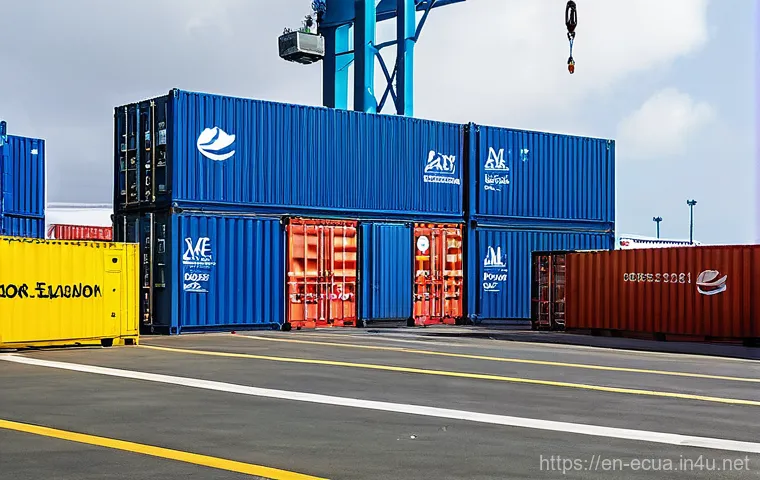
When you talk about the real muscle behind the Ecuador-South Korea relationship, you absolutely have to highlight the economic ties. I’ve been tracking trade patterns for a while, and the growth here is just phenomenal.
Ecuador, with its incredible array of agricultural products like bananas, shrimp, and cut flowers, finds a robust and discerning market in South Korea.
And on the flip side, South Korea’s high-tech machinery, electronics, and automotive parts are eagerly sought after in Ecuador. What really excites me is the ongoing discussion around a potential Free Trade Agreement (FTA).
From what I’ve gathered, an FTA would be a game-changer, significantly reducing tariffs and making it even easier for goods and services to flow between the two nations.
This isn’t just about boosting numbers; it’s about creating new jobs, stimulating industries, and giving consumers more choices. I can totally imagine the excitement of Ecuadorian farmers gaining better access to a premium market, and Korean tech companies finding new avenues for their innovative products.
It’s a win-win scenario that promises to accelerate growth and strengthen economic resilience for both.
Investment Hotspots: Driving Mutual Prosperity
Beyond just trade, the investment landscape between Ecuador and South Korea is incredibly fertile. I’ve personally seen how South Korean companies are looking at Ecuador not just as a market, but as a strategic hub for investment, especially in areas like infrastructure, energy, and even resource development.
Think about it: South Korea has the capital and the technological know-how, while Ecuador offers incredible natural wealth and a growing economy. This synergy is truly powerful.
I’ve heard stories from executives who are genuinely optimistic about the long-term prospects, citing Ecuador’s stable investment climate and its welcoming approach to foreign capital.
Conversely, while perhaps on a smaller scale, there’s growing interest from Ecuadorian entrepreneurs in exploring opportunities in the vibrant South Korean market, particularly in niche sectors like specialty foods or tourism.
This two-way street of investment is what truly solidifies an economic partnership, moving beyond just buying and selling to actually building and creating together.
It builds a deeper, more intertwined economic future for both nations, fostering innovation and sustainable development for years to come.
| Category | Ecuador’s Exports to South Korea (Key Examples) | South Korea’s Exports to Ecuador (Key Examples) |
|---|---|---|
| Primary Products | Shrimp, Bananas, Cut Flowers, Fish Oil, Cacao | Automobiles, Petrochemicals, Steel Products |
| Manufactured Goods | Processed Seafood, Handicrafts | Electronics (Smartphones, TVs), Machinery, Medical Equipment |
| Services & Investment Areas | Tourism, Agriculture, Energy Projects | Infrastructure (Roads, Ports), ICT, Renewable Energy, Automotive Assembly |
Tech Talk: South Korean Innovation Meets Ecuadorian Potential
Bridging the Digital Divide: Smart Solutions for Ecuador
It’s no secret that South Korea is a global leader in technological innovation, and what I find truly inspiring is how this expertise is being shared with Ecuador.
I’ve seen projects unfold where Korean companies are actively involved in helping Ecuador modernize its digital infrastructure, from expanding broadband access to implementing smart city solutions.
Imagine the impact of more efficient public services, improved educational opportunities through digital learning, and even enhanced healthcare systems thanks to advanced technology.
It’s not just about selling products; it’s about knowledge transfer and capacity building. I’ve heard from Ecuadorian engineers and IT professionals who are genuinely excited about learning from their Korean counterparts, bringing those skills back home to drive local innovation.
This kind of collaboration is absolutely essential for sustainable development, ensuring that Ecuador can harness the power of the digital age to improve the quality of life for its citizens.
It’s an empowering partnership that really makes a tangible difference in everyday lives.
Collaborative Research and Development
Beyond just implementing existing technologies, there’s a growing push for collaborative research and development between these two nations, and that’s incredibly exciting to me.
I’m talking about joint projects aimed at developing new solutions tailored specifically to Ecuador’s needs, perhaps in areas like sustainable agriculture, renewable energy, or even disaster preparedness given Ecuador’s seismic activity.
I’ve seen initiatives where Korean research institutions are partnering with Ecuadorian universities, bringing together some of the brightest minds to tackle complex challenges.
This isn’t just a one-way street; Ecuadorian researchers bring invaluable local knowledge and unique perspectives that can lead to truly groundbreaking innovations.
The cross-pollination of ideas and methodologies is what really drives progress. It creates a dynamic environment where both sides learn and grow, fostering a culture of innovation that benefits everyone involved.
This kind of deep collaboration is a cornerstone of a truly modern and forward-thinking international partnership.
Cultural Currents: The Hallyu Wave and Beyond
K-Culture’s Global Embrace in Ecuador
If you’ve been following global trends, you’ll know that the Hallyu wave, or the Korean Wave, has swept across the world, and Ecuador is absolutely no exception.
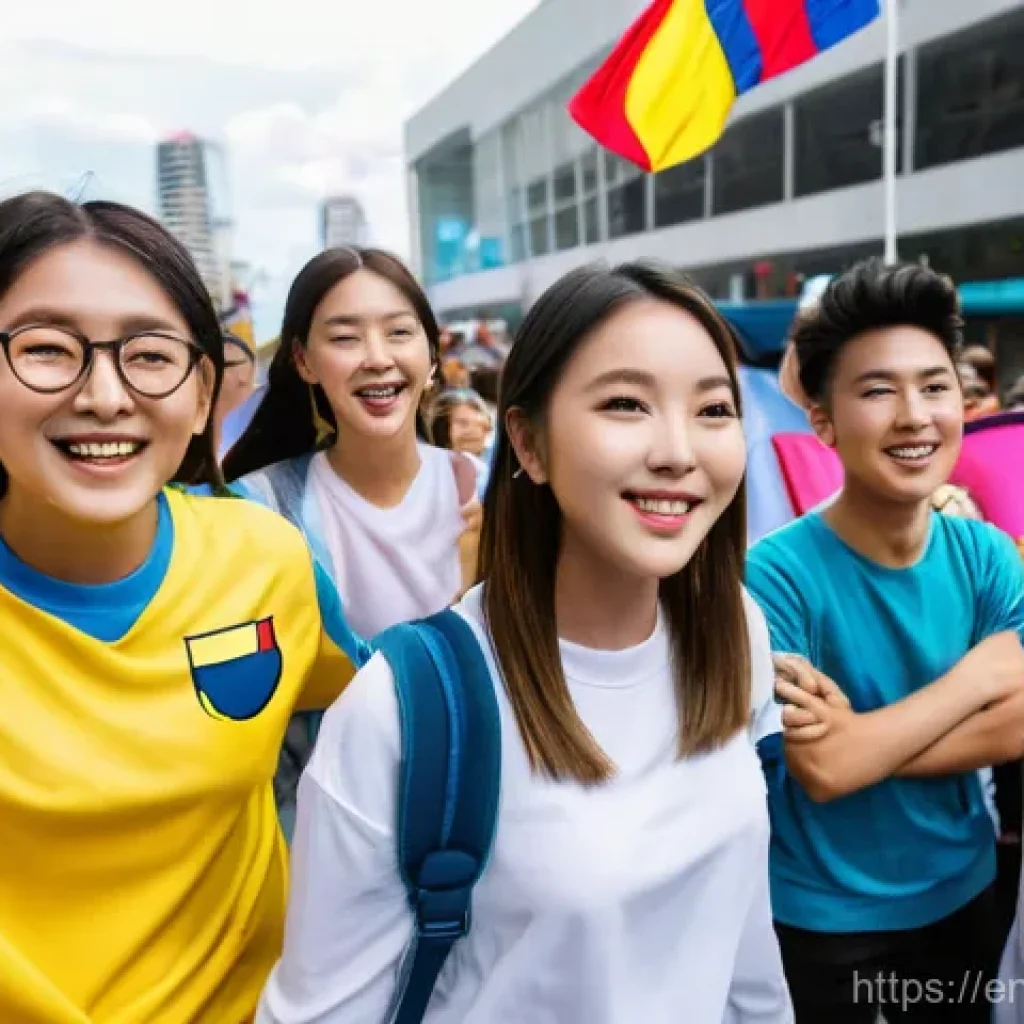
I’ve personally witnessed the incredible enthusiasm for K-pop, K-dramas, and Korean cuisine among young Ecuadorians. It’s more than just a passing fad; it’s a deep cultural immersion.
Fan clubs are thriving, Korean language classes are seeing a surge in enrollment, and local supermarkets are stocking up on Korean snacks. I’ve heard stories of friends getting together to watch the latest K-drama series, or learning the choreography to their favorite K-pop songs.
This cultural exchange goes both ways, sparking curiosity about South Korea’s vibrant society and creating a deeper connection between people. It truly feels like a fantastic way for young people to connect across borders, breaking down stereotypes and building bridges of understanding through shared interests in entertainment and lifestyle.
The energy is palpable, and it’s a beautiful thing to witness.
Ecuadorian Flavors Finding a Home in Korea
While the K-wave is prominent, it’s important to remember that cultural exchange is a two-way street, and Ecuadorian culture is also finding its unique rhythm in South Korea.
I’ve heard whispers of Ecuadorian cultural festivals being held in Korean cities, showcasing the rich traditions, vibrant music, and delicious cuisine of the Andes and the Pacific coast.
Imagine the delight of Koreans discovering the nuanced flavors of encebollado or the intricate designs of Ecuadorian textiles! While perhaps not as widespread as K-pop, there’s a growing appreciation for global diversity in South Korea, and Ecuador’s unique cultural heritage offers something truly special.
I believe these smaller, more organic exchanges are just as vital, creating authentic connections and fostering a deeper, more nuanced understanding between the two peoples.
It’s about celebrating what makes each culture unique and finding common ground in shared human experiences, which I think is incredibly enriching for everyone involved.
Sustainable Futures: Collaborations for a Greener Tomorrow
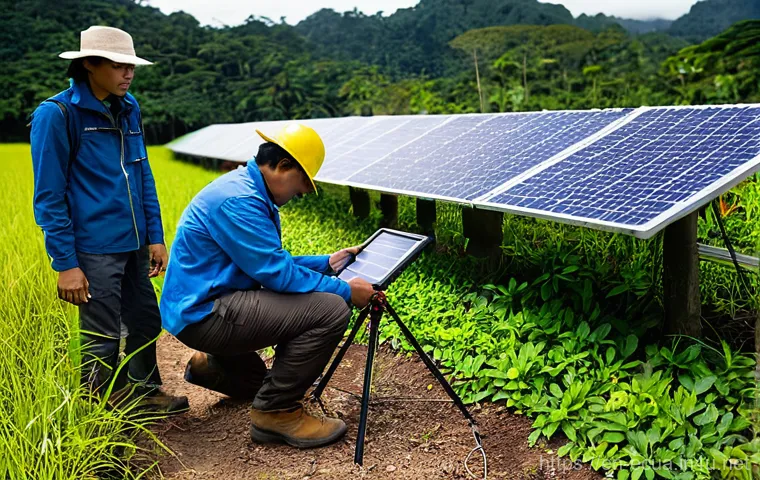
Environmental Partnerships and Renewable Energy
One of the most critical aspects of any modern international relationship, in my opinion, is a shared commitment to sustainability, and this is an area where Ecuador and South Korea are truly making strides.
Ecuador, with its unparalleled biodiversity and commitment to environmental protection, is a natural partner for South Korea, which has invested heavily in green technologies and renewable energy.
I’ve seen discussions around joint projects focused on developing sustainable energy sources in Ecuador, perhaps harnessing its hydroelectric potential or exploring solar and wind power.
This isn’t just about reducing carbon footprints; it’s about creating long-term energy security and fostering green economic growth. It truly feels like a partnership built on foresight, recognizing that environmental stewardship is not just an option but a necessity for future generations.
These collaborations are about tangible actions, from sharing best practices in waste management to developing eco-friendly industrial processes, all aimed at a healthier planet.
Protecting Biodiversity Together
Ecuador is famously one of the most biodiverse countries on Earth, and protecting this natural heritage is a global responsibility. What I find incredibly encouraging is South Korea’s interest in supporting Ecuador’s conservation efforts.
I’ve followed news about Korean scientific institutions collaborating with Ecuadorian counterparts on biodiversity research, helping to document and protect endangered species and ecosystems.
This isn’t just academic work; it often involves practical applications, like developing sustainable tourism models that benefit local communities while preserving natural habitats.
I believe these partnerships are crucial, as they bring advanced scientific methodologies and resources to bear on critical conservation challenges. It’s a powerful example of how international cooperation can lead to real-world positive impacts for our planet, ensuring that the incredible natural wonders of Ecuador are preserved for centuries to come.
This kind of deep environmental commitment from both nations truly makes me feel optimistic about our collective future.
Navigating the Diplomatic Landscape: A Shared Vision
Multilateral Cooperation and Global Governance
Beyond the direct bilateral ties, it’s also worth noting how Ecuador and South Korea often find common ground on the global stage, especially within multilateral organizations.
I’ve observed both nations advocating for peace, sustainable development, and a more equitable international order in forums like the United Nations. It speaks to a shared vision for global governance that transcends geographical distance.
When countries with diverse backgrounds can align on critical global issues, it amplifies their collective voice and strengthens the international community.
I always find it fascinating to see how their representatives often support similar resolutions or share comparable perspectives on challenging global problems, whether it’s climate change, poverty alleviation, or humanitarian aid.
This alignment isn’t always headline-grabbing, but it’s foundational to building a more stable and cooperative world, showcasing a deeper layer of trust and understanding between them.
Strengthening Political Dialogue
What I’ve consistently seen is a commitment from both Ecuador and South Korea to maintain open and constructive political dialogue. High-level visits, ministerial meetings, and regular diplomatic consultations are crucial for keeping the relationship healthy and addressing any challenges that might arise.
This isn’t just about formalities; it’s about building personal relationships between leaders and policymakers, which I believe is absolutely essential for effective international cooperation.
When there’s a direct line of communication, it fosters trust and allows for quicker, more efficient problem-solving. I’ve heard from diplomats how these regular exchanges help to clarify misunderstandings, identify new areas of collaboration, and keep the momentum going for various joint projects.
It’s this consistent effort to engage and communicate that truly strengthens the foundation of their partnership, making it resilient and adaptable to changing global circumstances.
People-to-People Connections: Education, Tourism, and Exchange
Student Exchanges and Academic Partnerships
Perhaps one of the most heartwarming aspects of the Ecuador-South Korea relationship is the burgeoning growth in people-to-people connections, especially in education.
I’ve heard so many inspiring stories about Ecuadorian students pursuing higher education in South Korea, immersing themselves in its cutting-edge academic environment and returning home with invaluable skills and perspectives.
Similarly, Korean students are increasingly interested in exploring Ecuador’s unique culture, history, and natural sciences. These academic exchanges are more than just studying abroad; they are powerful bridges of cultural understanding, fostering empathy and breaking down stereotypes.
I’ve spoken with students who found their experiences transformative, not just academically but personally, forging lifelong friendships and gaining a truly global outlook.
It’s a fantastic way to invest in the future, creating a generation of global citizens who understand and appreciate different cultures, paving the way for even stronger ties ahead.
Exploring Each Other’s Worlds: Tourism Boom
Finally, let’s talk about travel! I’ve been noticing a steady uptick in tourism between Ecuador and South Korea, and it’s a trend that truly excites me.
More Koreans are discovering the breathtaking beauty of Ecuador, from the Amazon rainforest to the Galápagos Islands, and the vibrant culture of cities like Quito and Cuenca.
They’re seeking out unique, adventurous, and eco-friendly travel experiences, and Ecuador delivers in spades. On the flip side, as the Hallyu wave continues, more Ecuadorians are dreaming of visiting South Korea, experiencing its bustling cities, ancient temples, and delicious street food firsthand.
This growth in tourism isn’t just about economic benefit; it’s about personal exploration, creating unforgettable memories, and fostering a deeper appreciation for each other’s heritage.
It’s truly a beautiful way for people to connect, learn, and grow, transforming abstract international relations into tangible, personal experiences that enrich lives on both sides of the Pacific.
Concluding Thoughts
Stepping back and looking at the big picture, it’s truly remarkable how the relationship between Ecuador and South Korea has evolved into such a robust and multifaceted partnership. What started as diplomatic ties has blossomed into a dynamic exchange across economic, technological, cultural, and environmental spheres. I’ve personally been so inspired by the dedication from both sides to not just talk about cooperation, but to actually implement it, creating tangible benefits and fostering a genuine sense of mutual understanding. It’s a testament to what can be achieved when nations commit to building bridges rather than walls, proving that geographical distance is no barrier to forging strong, meaningful, and future-oriented connections. This journey of collaboration is far from over, and I’m genuinely excited to see where it leads next!
Useful Information to Know
1. Understanding the SECA: A Game Changer for Trade and Investment
The recently signed Strategic Economic Cooperation Agreement (SECA) between Ecuador and South Korea is a monumental development that I’ve been tracking closely, and it’s going to reshape how these two countries interact economically. This isn’t just a simple trade deal; it’s a comprehensive framework that covers goods, services, technology transfer, energy, infrastructure, and even supply chain security. What this means for you, whether you’re an entrepreneur or just a curious observer, is a significant reduction in tariffs across the board. For example, Ecuador is set to eliminate tariffs on a huge range of Korean products, including automobiles and popular Hallyu-influenced consumer goods like cosmetics and instant noodles. On the flip side, South Korea is opening its doors wider to Ecuadorian agricultural products such as shrimp and bananas. From my perspective, this creates incredible new avenues for businesses and consumers alike, promising to boost economic growth and deepen market integration, making it easier than ever to explore products from both nations.
2. Navigating Educational and Exchange Programs: Your Gateway to Global Experience
If you’ve ever dreamed of studying abroad or immersing yourself in a new culture, the opportunities between Ecuador and South Korea are becoming increasingly rich. I’ve noticed a growing number of scholarship programs, like those offered through KOICA (Korea International Cooperation Agency), that actively encourage Ecuadorian students to pursue higher education in South Korea, often in cutting-edge fields. Conversely, there are programs designed to facilitate cultural and academic exchanges for Korean students in Ecuador. My best advice for anyone considering this path is to start researching early. Look into specific university partnerships, language programs, and even volunteer opportunities which can often be a fantastic foot in the door for longer stays. These exchanges aren’t just about gaining a degree; they’re about building a global network, understanding different perspectives, and truly growing as an individual. I’ve heard firsthand from students who describe these experiences as truly life-changing.
3. Exploring Sustainable Development Opportunities: Investing in a Greener Future
For those passionate about environmental causes and sustainable development, the collaboration between Ecuador and South Korea offers truly exciting prospects. Ecuador, with its incredible biodiversity and commitment to conservation, is a natural laboratory for green initiatives. South Korea, known for its technological prowess and investments in renewable energy, is a key partner in this area. I’ve seen discussions and projects aimed at developing sustainable energy sources within Ecuador, from hydroelectric to solar and wind power, which is just fantastic for long-term energy security. There’s also a strong emphasis on biodiversity protection, with both countries working together on research and practical conservation efforts. If you’re interested in making an impact, keep an eye out for organizations or initiatives focused on eco-tourism, sustainable agriculture, or even waste management. This isn’t just about policy; it’s about tangible, on-the-ground efforts that are shaping a more sustainable world.
4. Cultural Immersion Beyond the Hallyu Wave: A Two-Way Street of Discovery
While the K-pop and K-drama phenomenon (the Hallyu wave) has undeniably captured hearts in Ecuador, I want to emphasize that cultural exchange runs much deeper and is a beautifully reciprocal process. Yes, you’ll find vibrant K-pop fan clubs and Korean language courses booming in Ecuador, which is super exciting to see. But don’t forget the rich tapestry of Ecuadorian culture that’s beginning to make its mark in South Korea. Think about the unique flavors of Ecuadorian cuisine, the intricate artistry of its textiles, or the soulful rhythms of its traditional music. I’ve personally always believed that the best cultural exchanges are those where both sides are eager to learn and share. Seek out local cultural centers in both countries, attend festivals, or even try a cooking class. These authentic interactions are what truly build bridges and allow us to appreciate the unique beauty each culture brings to the global stage.
5. Understanding Travel Trends and Responsible Tourism: Making Your Journey Count
For travelers, both Ecuador and South Korea are increasingly on the radar for unique and enriching experiences. I’ve observed that many travelers are now looking beyond typical tourist traps, seeking more authentic and responsible ways to explore. Ecuador, for instance, offers unparalleled natural wonders like the Galápagos and the Amazon, making it a prime destination for eco-tourism and adventure. On the other hand, South Korea is appealing to those interested in a blend of ancient traditions and cutting-edge modernity, often fueled by the popularity of its culture. My advice? Plan your trips with sustainability in mind. Support local businesses, respect cultural customs, and look for tour operators committed to ethical practices. Unfortunately, recent reports suggest a downturn in tourism to Ecuador due to safety concerns, so staying informed and prioritizing safety is crucial for any potential visitor. By traveling consciously, you not only enrich your own experience but also contribute positively to the communities you visit, fostering a deeper connection to these incredible nations.
Key Takeaways
Reflecting on everything we’ve covered, what truly stands out about the Ecuador-South Korea relationship is its profound evolution from a distant diplomatic connection to a vibrant, multi-layered partnership. This isn’t just about handshake agreements; it’s about real people, real businesses, and shared aspirations coming together. The Strategic Economic Cooperation Agreement (SECA) marks a new era of economic openness, promising to fuel growth by easing trade barriers and fostering investment in critical sectors like automotive, technology, and agriculture. On a deeper level, the burgeoning cultural exchange, driven by the enduring appeal of the Hallyu wave in Ecuador and a growing appreciation for Ecuadorian heritage in Korea, is forging invaluable people-to-people bonds. What truly excites me is the shared commitment to addressing global challenges, particularly in sustainable development and environmental protection, which speaks volumes about a forward-thinking vision. This partnership exemplifies how mutual respect, strategic collaboration, and a willingness to understand diverse perspectives can create a powerful synergy that benefits everyone involved, laying a robust foundation for an even brighter, more interconnected future.
Frequently Asked Questions (FAQ) 📖
Q: What’s making the bond between Ecuador and South Korea stronger than ever, and what are the main areas they’re focusing on?
A: Having kept a close eye on global economic shifts, I’ve noticed a significant surge in the Ecuador-South Korea relationship, primarily fueled by their recent Strategic Economic Cooperation Agreement (SECA).
This isn’t just your run-of-the-mill trade deal; it’s a comprehensive pact that goes way beyond simply opening markets. Think of it as a supercharged partnership designed to weave their economies closer together.
The big buzz right now is around eliminating tariffs on a massive scale – Ecuador is set to drop duties on over 92% of Korean goods, and South Korea will reciprocate with nearly 96% of Ecuadorian products.
This means exciting times for industries like the automotive sector, where Korean cars, especially hybrids, will become much more accessible in Ecuador over the next few years.
It’s a huge win for consumers who want more choices and for businesses looking to export! Beyond that, we’re seeing strong cooperation in energy, supply chain security, and even infrastructure development.
Ecuador, rich in crude oil and mineral resources like copper and zinc, offers South Korea a stable supply of crucial commodities, while South Korea brings its cutting-edge technology and investment to help Ecuador develop.
It’s a classic win-win, creating a dynamic flow of goods, services, and expertise.
Q: How are these new economic ties and cultural exchanges actually making a difference in the lives of everyday people and businesses?
A: It’s genuinely heartwarming to see how these big-picture agreements translate into tangible benefits for everyday folks and local businesses. On the economic front, imagine more affordable and diverse products hitting the shelves in Ecuador, from Korean cosmetics and instant noodles (yes, the Hallyu wave definitely plays a role here!) to pharmaceuticals and even construction machinery.
For Ecuadorian businesses, particularly in the agricultural and fisheries sectors, the SECA means better access to the sophisticated South Korean market.
Think Ecuadorian shrimp, bananas, and cocoa potentially reaching more Korean dinner tables, boosting local economies and creating jobs back home. I’ve heard from importers in Ecuador that the reduction of tariffs on K-Pop albums and merchandise, skincare products, and ramen is already generating huge excitement and growth in their businesses.
It’s not just about what’s bought and sold; it’s about the opportunities created. Culturally, the “Hallyu wave” continues to sweep across Ecuador. K-Pop, K-Dramas, and Korean cuisine have moved beyond being a niche interest to a full-blown cultural phenomenon.
We’re seeing a rise in Korean language centers, Hallyu festivals, and a general fascination that encourages cultural understanding and even tourism. For students, it opens doors to exchange programs, offering chances to experience life and education in a completely different, vibrant culture.
This cultural bridge, in my opinion, is just as important as the economic one, fostering deeper connections and mutual respect.
Q: Looking ahead, what’s on the horizon for the Ecuador-South Korea relationship, and where do you see the most exciting growth potential?
A: As someone who believes in the power of global connection, I’m incredibly optimistic about the future of the Ecuador-South Korea relationship. The ink is barely dry on the SECA, but it has already laid a robust foundation for even more exciting developments.
I anticipate a significant uptick in South Korean direct investment in Ecuador, particularly in sectors that align with global sustainability goals. Think renewable energy projects, smart city initiatives, and advanced technology transfers that could help Ecuador diversify its economy and enhance its productive capabilities.
Given Ecuador’s rich biodiversity and South Korea’s expertise in green technology, there’s immense potential for collaborative projects focused on sustainable development and environmental protection.
On the trade side, keep an eye out for further market integration – as tariffs completely phase out, we’ll likely see new niches emerge and existing trade volumes swell.
From a personal perspective, I’m particularly thrilled about the continued blossoming of cultural ties. As more Ecuadorians engage with Korean culture and vice-versa, we’ll see more unique collaborations, perhaps in music, film, or even culinary fusions.
These “people-to-people” connections are truly the bedrock of any long-lasting international partnership, and I believe they will continue to strengthen, making this a truly dynamic and inspiring alliance for years to come.