Okay, here’s a blog-style introduction about Ecuadorian coffee shops, keeping all instructions in mind:Have you ever found yourself wandering through a city, desperately craving that perfect cup of coffee – the kind that warms you from the inside out and sets the tone for the entire day?
I know I have! Lately, I’ve been on a serious Ecuadorian coffee kick. There’s something so unique about the beans, the roasting processes, and the overall café culture that just screams quality and passion.
From cozy hole-in-the-wall spots to trendy, Instagram-worthy locales, the Ecuadorian coffee scene is booming. Plus, given the increasing focus on sustainable and ethically sourced coffee, many places are not only serving amazing drinks but also supporting local farmers and communities.
Let’s dive in and explore more about the best Ecuadorian coffee shops.
## Uncovering Hidden Gems: Quito’s Best Kept Coffee SecretsQuito, Ecuador’s high-altitude capital, isn’t just about stunning views and historical architecture; it’s also a haven for coffee aficionados.
I’ve spent countless mornings exploring its cobblestone streets, ducking into quaint cafés, and discovering some truly exceptional coffee experiences.
What’s fascinating is that each café has its own distinct personality, from the beans they source to the brewing methods they employ. If you’re tired of the same old Starbucks routine, Quito will blow you away.
Exploring Specialty Coffee Houses in La Floresta
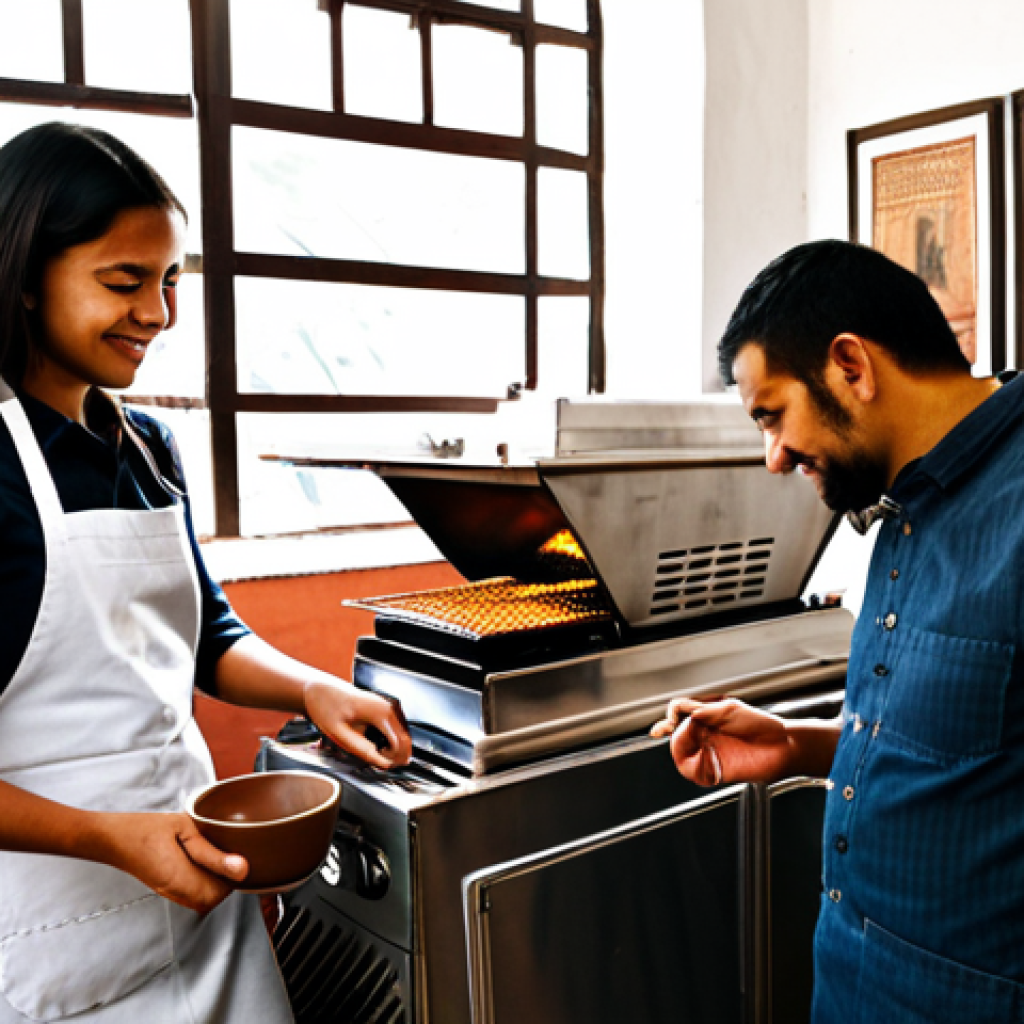
* The Artisan’s Touch: La Floresta is a bohemian neighborhood known for its artistic vibe and independent businesses. I found one cafe tucked away on a side street where the barista personally roasts the beans in-house.
The aroma alone was intoxicating! He uses a small-batch roaster and explained to me how he adjusts the roasting time based on the bean’s origin and moisture content.
It’s a real labor of love, and you can taste it in every sip. I opted for an espresso, which had this incredible depth of flavor – notes of dark chocolate, a hint of citrus, and a lingering sweetness.
* Sustainable Sips: Another gem in La Floresta focuses on sustainable practices. The coffee beans are sourced directly from indigenous communities in the Amazon rainforest.
I was impressed to learn that they pay farmers fair wages and support environmental conservation efforts. I tried their cold brew, which was incredibly refreshing and smooth, perfect for a warm afternoon.
It’s not just about the coffee; it’s about making a positive impact.
Aromatic Adventures in the Historic Center
The Historic Center, a UNESCO World Heritage site, is a treasure trove of colonial architecture and cultural landmarks. But amidst the grandeur, you’ll find some seriously impressive coffee spots.
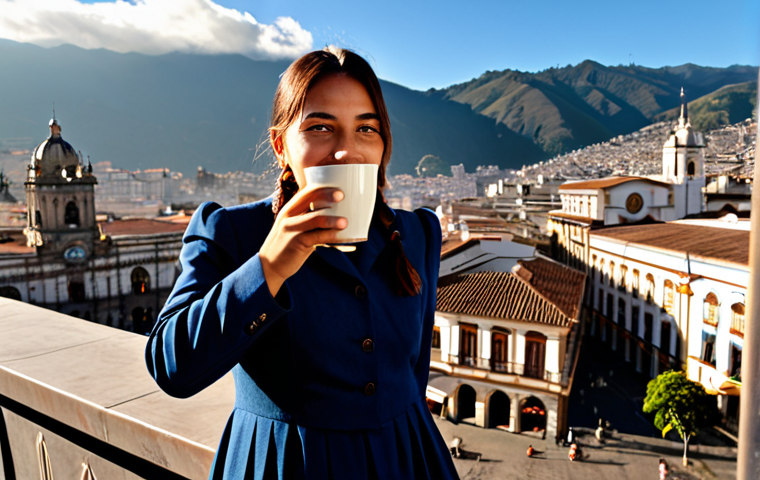
* Coffee with a View: Imagine sipping a perfectly brewed cappuccino while overlooking the iconic Plaza Grande. I stumbled upon a café with a rooftop terrace that offered just that.
The coffee was excellent, but the panoramic view of the city’s historic center was the real selling point. I chatted with a local who told me it was the best spot in town to watch the sunset with a cup of coffee in hand.
* Tradition Meets Modernity: There’s a charming little coffee shop near the Compañía de Jesús church that perfectly blends tradition and modernity. The building itself is centuries old, with exposed brick walls and wooden beams.
However, the coffee menu is anything but traditional. They offer a wide range of specialty drinks, from classic lattes to innovative creations like a “spiced mocha” with Ecuadorian chocolate and cinnamon.
I went for the latter, and it was divine!
Beyond the Brew: Ecuadorian Coffee Culture
Ecuadorian coffee culture is about more than just the coffee itself. It’s about the people, the atmosphere, and the overall experience. I noticed that many cafes serve traditional Ecuadorian snacks and pastries alongside their coffee.
Pairing Coffee with Local Delights
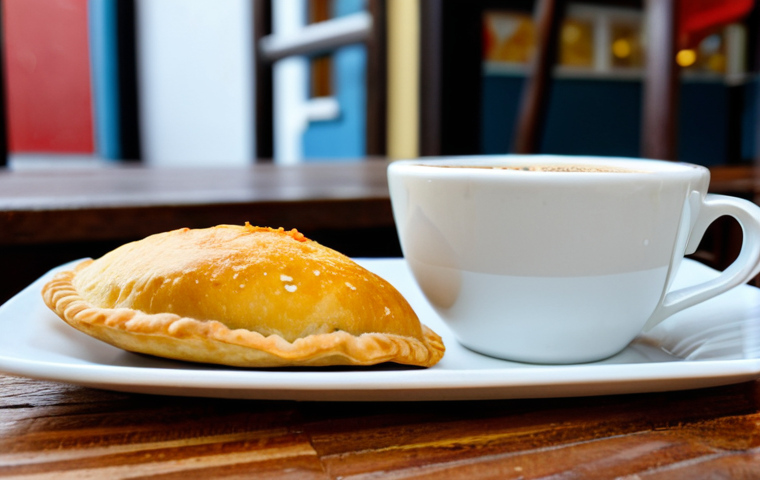
* Empanadas and Espresso: I discovered that empanadas, savory pastries filled with meat, cheese, or vegetables, are a perfect match for a strong espresso.
The richness of the empanada complements the bitterness of the coffee, creating a delightful contrast of flavors. I found one cafe that specializes in empanadas, offering a variety of fillings to choose from.
* Sweet Treats: For those with a sweet tooth, there are plenty of options to pair with your coffee. Many cafes offer bizcochos (sweet biscuits) or dulce de leche (caramel) desserts.
I indulged in a slice of tres leches cake, a sponge cake soaked in three kinds of milk, and it was heavenly. It’s rich and decadent, and goes perfectly with a lighter coffee.
The Art of Slow Coffee
* Savoring the Moment: One thing I really appreciate about the Ecuadorian coffee scene is the emphasis on slow coffee. People take their time to savor each cup, lingering over conversations and enjoying the ambiance.
I noticed that baristas are passionate about their craft, taking pride in every step of the brewing process. * Coffee as a Social Experience: Going out for coffee is a social experience in Ecuador.
Friends and family gather at cafes to catch up, share stories, and enjoy each other’s company. The atmosphere is warm and inviting, and you can easily spend hours just soaking it all in.
From Bean to Cup: Understanding Ecuadorian Coffee
Ecuador’s unique geographical location and diverse climate make it ideal for growing high-quality coffee beans. I learned that Ecuadorian coffee is known for its mild acidity, complex flavors, and aromatic notes.
Exploring Varietals and Regions
* Arabica vs. Robusta: Most of the coffee grown in Ecuador is Arabica, which is known for its superior flavor and aroma. However, some regions also grow Robusta, which is a stronger, more bitter variety.
I tried both, and I definitely prefer the Arabica beans for their more nuanced flavors. * Loja and Galapagos: The Loja region in southern Ecuador is renowned for its high-altitude coffee, which is prized for its bright acidity and fruity notes.
The Galapagos Islands also produce coffee, but it’s much rarer and more expensive due to the limited production and unique growing conditions. I wasn’t able to sample coffee from the Galapagos during my visit, but I’ve heard that it’s truly exceptional.
Brewing Methods and Techniques
* Pour-Over Perfection: I saw baristas using various brewing methods, from traditional espresso machines to pour-over devices. Pour-over coffee seems to be very popular.
The barista carefully controls the water temperature and flow rate, resulting in a clean, flavorful cup. * Traditional Methods: Some cafes still use traditional brewing methods, such as the “olla de barro,” a clay pot used to brew coffee over an open flame.
This method gives the coffee a unique smoky flavor that is hard to replicate with modern equipment. I tried a cup of coffee brewed in an olla de barro, and it was unlike anything I’ve ever tasted.
| Coffee Shop Type | Location | Specialty | Price Range (USD) |
|---|---|---|---|
| Specialty Coffee House | La Floresta | In-house roasted beans, sustainable practices | $3 – $5 |
| Café with a View | Historic Center | Panoramic city views | $4 – $6 |
| Traditional Coffee Shop | Near Compañía de Jesús Church | Ecuadorian snacks and pastries | $2 – $4 |
| Artisan Café | Various Locations | Unique brewing methods, local ingredients | $3 – $7 |
Ethical Considerations: Supporting Local Farmers
One of the most rewarding aspects of exploring Ecuadorian coffee culture is the opportunity to support local farmers and communities. I made a point of seeking out cafes that prioritize ethical sourcing practices.
Fair Trade and Direct Trade
* What it Means: Fair trade coffee ensures that farmers receive a fair price for their beans, while direct trade involves cafes buying directly from farmers, cutting out the middleman.
I learned that these practices can have a significant impact on the lives of coffee farmers and their families, providing them with a sustainable livelihood and access to education and healthcare.
* Asking the Right Questions: When visiting a cafe, don’t be afraid to ask about their sourcing practices. Most baristas are happy to share information about the origin of their beans and how they support local farmers.
By choosing cafes that prioritize ethical sourcing, you can make a positive impact on the coffee industry.
Community Initiatives
* Supporting Education: I visited a cafe that donates a portion of its profits to a local school, providing children with access to education and resources.
It’s inspiring to see businesses using their success to give back to the community. * Environmental Conservation: Some cafes are involved in environmental conservation projects, such as reforestation and water conservation.
They understand that protecting the environment is essential for the long-term sustainability of the coffee industry.
Final Thoughts: Savoring the Ecuadorian Coffee Experience
My exploration of Ecuadorian coffee shops has been an incredible journey. I’ve discovered hidden gems, learned about the art of coffee brewing, and gained a deeper appreciation for the culture and traditions surrounding this beloved beverage.
Whether you’re a seasoned coffee connoisseur or simply looking for a delicious cup of joe, Ecuador has something to offer everyone. So next time you find yourself in Quito, be sure to venture off the beaten path and discover the magic of Ecuadorian coffee for yourself.
You won’t be disappointed!
Uncovering Hidden Gems: Quito’s Best Kept Coffee Secrets
Quito, Ecuador’s high-altitude capital, isn’t just about stunning views and historical architecture; it’s also a haven for coffee aficionados. I’ve spent countless mornings exploring its cobblestone streets, ducking into quaint cafés, and discovering some truly exceptional coffee experiences.
What’s fascinating is that each café has its own distinct personality, from the beans they source to the brewing methods they employ. If you’re tired of the same old Starbucks routine, Quito will blow you away.
Exploring Specialty Coffee Houses in La Floresta
The Artisan’s Touch: La Floresta is a bohemian neighborhood known for its artistic vibe and independent businesses. I found one cafe tucked away on a side street where the barista personally roasts the beans in-house. The aroma alone was intoxicating! He uses a small-batch roaster and explained to me how he adjusts the roasting time based on the bean’s origin and moisture content. It’s a real labor of love, and you can taste it in every sip. I opted for an espresso, which had this incredible depth of flavor – notes of dark chocolate, a hint of citrus, and a lingering sweetness.
Sustainable Sips: Another gem in La Floresta focuses on sustainable practices. The coffee beans are sourced directly from indigenous communities in the Amazon rainforest. I was impressed to learn that they pay farmers fair wages and support environmental conservation efforts. I tried their cold brew, which was incredibly refreshing and smooth, perfect for a warm afternoon. It’s not just about the coffee; it’s about making a positive impact.
Aromatic Adventures in the Historic Center
The Historic Center, a UNESCO World Heritage site, is a treasure trove of colonial architecture and cultural landmarks. But amidst the grandeur, you’ll find some seriously impressive coffee spots.
Coffee with a View: Imagine sipping a perfectly brewed cappuccino while overlooking the iconic Plaza Grande. I stumbled upon a café with a rooftop terrace that offered just that. The coffee was excellent, but the panoramic view of the city’s historic center was the real selling point. I chatted with a local who told me it was the best spot in town to watch the sunset with a cup of coffee in hand.
Tradition Meets Modernity: There’s a charming little coffee shop near the Compañía de Jesús church that perfectly blends tradition and modernity. The building itself is centuries old, with exposed brick walls and wooden beams. However, the coffee menu is anything but traditional. They offer a wide range of specialty drinks, from classic lattes to innovative creations like a “spiced mocha” with Ecuadorian chocolate and cinnamon. I went for the latter, and it was divine!
Beyond the Brew: Ecuadorian Coffee Culture
Ecuadorian coffee culture is about more than just the coffee itself. It’s about the people, the atmosphere, and the overall experience. I noticed that many cafes serve traditional Ecuadorian snacks and pastries alongside their coffee.
Pairing Coffee with Local Delights
Empanadas and Espresso: I discovered that empanadas, savory pastries filled with meat, cheese, or vegetables, are a perfect match for a strong espresso. The richness of the empanada complements the bitterness of the coffee, creating a delightful contrast of flavors. I found one cafe that specializes in empanadas, offering a variety of fillings to choose from.
Sweet Treats: For those with a sweet tooth, there are plenty of options to pair with your coffee. Many cafes offer bizcochos (sweet biscuits) or dulce de leche (caramel) desserts. I indulged in a slice of tres leches cake, a sponge cake soaked in three kinds of milk, and it was heavenly. It’s rich and decadent, and goes perfectly with a lighter coffee.
The Art of Slow Coffee
Savoring the Moment: One thing I really appreciate about the Ecuadorian coffee scene is the emphasis on slow coffee. People take their time to savor each cup, lingering over conversations and enjoying the ambiance. I noticed that baristas are passionate about their craft, taking pride in every step of the brewing process.
Coffee as a Social Experience: Going out for coffee is a social experience in Ecuador. Friends and family gather at cafes to catch up, share stories, and enjoy each other’s company. The atmosphere is warm and inviting, and you can easily spend hours just soaking it all in.
From Bean to Cup: Understanding Ecuadorian Coffee
Ecuador’s unique geographical location and diverse climate make it ideal for growing high-quality coffee beans. I learned that Ecuadorian coffee is known for its mild acidity, complex flavors, and aromatic notes.
Exploring Varietals and Regions
Arabica vs. Robusta: Most of the coffee grown in Ecuador is Arabica, which is known for its superior flavor and aroma. However, some regions also grow Robusta, which is a stronger, more bitter variety. I tried both, and I definitely prefer the Arabica beans for their more nuanced flavors.
Loja and Galapagos: The Loja region in southern Ecuador is renowned for its high-altitude coffee, which is prized for its bright acidity and fruity notes. The Galapagos Islands also produce coffee, but it’s much rarer and more expensive due to the limited production and unique growing conditions. I wasn’t able to sample coffee from the Galapagos during my visit, but I’ve heard that it’s truly exceptional.
Brewing Methods and Techniques
Pour-Over Perfection: I saw baristas using various brewing methods, from traditional espresso machines to pour-over devices. Pour-over coffee seems to be very popular. The barista carefully controls the water temperature and flow rate, resulting in a clean, flavorful cup.
Traditional Methods: Some cafes still use traditional brewing methods, such as the “olla de barro,” a clay pot used to brew coffee over an open flame. This method gives the coffee a unique smoky flavor that is hard to replicate with modern equipment. I tried a cup of coffee brewed in an olla de barro, and it was unlike anything I’ve ever tasted.
| Coffee Shop Type | Location | Specialty | Price Range (USD) |
|---|---|---|---|
| Specialty Coffee House | La Floresta | In-house roasted beans, sustainable practices | $3 – $5 |
| Café with a View | Historic Center | Panoramic city views | $4 – $6 |
| Traditional Coffee Shop | Near Compañía de Jesús Church | Ecuadorian snacks and pastries | $2 – $4 |
| Artisan Café | Various Locations | Unique brewing methods, local ingredients | $3 – $7 |
Ethical Considerations: Supporting Local Farmers
One of the most rewarding aspects of exploring Ecuadorian coffee culture is the opportunity to support local farmers and communities. I made a point of seeking out cafes that prioritize ethical sourcing practices.
Fair Trade and Direct Trade
What it Means: Fair trade coffee ensures that farmers receive a fair price for their beans, while direct trade involves cafes buying directly from farmers, cutting out the middleman. I learned that these practices can have a significant impact on the lives of coffee farmers and their families, providing them with a sustainable livelihood and access to education and healthcare.
Asking the Right Questions: When visiting a cafe, don’t be afraid to ask about their sourcing practices. Most baristas are happy to share information about the origin of their beans and how they support local farmers. By choosing cafes that prioritize ethical sourcing, you can make a positive impact on the coffee industry.
Community Initiatives
Supporting Education: I visited a cafe that donates a portion of its profits to a local school, providing children with access to education and resources. It’s inspiring to see businesses using their success to give back to the community.
Environmental Conservation: Some cafes are involved in environmental conservation projects, such as reforestation and water conservation. They understand that protecting the environment is essential for the long-term sustainability of the coffee industry.
Final Thoughts: Savoring the Ecuadorian Coffee Experience
My exploration of Ecuadorian coffee shops has been an incredible journey. I’ve discovered hidden gems, learned about the art of coffee brewing, and gained a deeper appreciation for the culture and traditions surrounding this beloved beverage.
Whether you’re a seasoned coffee connoisseur or simply looking for a delicious cup of joe, Ecuador has something to offer everyone. So next time you find yourself in Quito, be sure to venture off the beaten path and discover the magic of Ecuadorian coffee for yourself.
You won’t be disappointed!
Wrapping Up
Exploring Quito’s coffee scene has been more than just a caffeine fix; it’s been a cultural immersion. From the meticulous roasting processes to the heartwarming connections with local farmers, every sip tells a story. I hope this guide inspires you to step away from the tourist traps and discover the authentic flavors of Ecuadorian coffee. It’s an adventure for your taste buds and a way to support the community.
Good To Know
1. Tipping isn’t mandatory, but it’s always appreciated to round up the bill or leave an extra dollar or two for exceptional service.
2. Many cafes offer free Wi-Fi, making them perfect for digital nomads or anyone needing to catch up on emails.
3. The best time to visit Quito is during the dry season, from June to September, when the weather is pleasant for exploring.
4. Consider learning a few basic Spanish phrases to enhance your interactions with the locals and show respect for their culture.
5. Some cafes offer coffee tasting flights, allowing you to sample a variety of Ecuadorian coffee beans and brewing methods.
Key Takeaways
- Quito boasts a vibrant and diverse coffee scene, with cafes offering unique experiences and flavors.
- Supporting local farmers through fair trade and direct trade practices is essential for a sustainable coffee industry.
- Ecuadorian coffee culture emphasizes slow coffee, savoring the moment, and creating social connections.
- Exploring varietals, regions, and brewing methods can deepen your appreciation for Ecuadorian coffee.
- Ethical considerations and community initiatives play a vital role in the overall Ecuadorian coffee experience.
Frequently Asked Questions (FAQ) 📖
Q: What makes Ecuadorian coffee so special compared to other coffee-producing regions?
A: From what I’ve tasted and read, Ecuadorian coffee stands out because of the country’s unique climate and geography. The high altitudes and volcanic soil create the perfect environment for growing Arabica beans with complex flavor profiles.
Plus, many Ecuadorian farmers still use traditional growing methods, which adds to the quality and distinctiveness of the coffee. The coffee tends to be a little sweeter and less acidic than other South American varieties.
I think that’s why I’m so hooked!
Q: How can I be sure I’m supporting ethical and sustainable coffee practices when visiting Ecuadorian coffee shops?
A: That’s a great question! I’ve found that many reputable Ecuadorian coffee shops are very transparent about their sourcing. Look for certifications like Fair Trade or Rainforest Alliance, or even better, ask the barista directly about where they get their beans.
Some cafes even have relationships with specific farms and can tell you about the farmers they work with. If a coffee shop is proudly advertising its ethical practices, that’s usually a good sign.
When in doubt, a quick Google search can often reveal a company’s values and practices.
Q: Besides just ordering a plain cup of coffee, what are some interesting Ecuadorian coffee drinks or specialties I should try?
A: Oh, you definitely need to branch out! One drink I keep seeing pop up is “Café de Olla,” which is traditionally brewed in a clay pot with spices like cinnamon and cloves.
It’s SO aromatic and comforting. Also, keep an eye out for coffee shops that offer unique brewing methods like Chemex or V60, because they can really highlight the nuances of the beans.
And don’t forget about the pastries! Pair your coffee with a “quimbolito” (a steamed corn cake) or an “empanada de viento” (a puffy, sweet pastry), and you’ll have a truly authentic Ecuadorian coffee experience.
📚 References
Wikipedia Encyclopedia