Moving to a new country can be both exciting and overwhelming, especially when it comes to finding a supportive community. For Korean expatriates in Ecuador, connecting with fellow Koreans not only eases the transition but also offers a sense of belonging and cultural familiarity.

Whether you’re looking for social gatherings, business networks, or cultural events, the Korean community in Ecuador has grown steadily over the years.
Building these connections can make your stay more enjoyable and enriching. Let’s dive into how you can find and engage with the Korean community in Ecuador in detail!
Discovering Social Circles within the Korean Community
Local Meetups and Cultural Gatherings
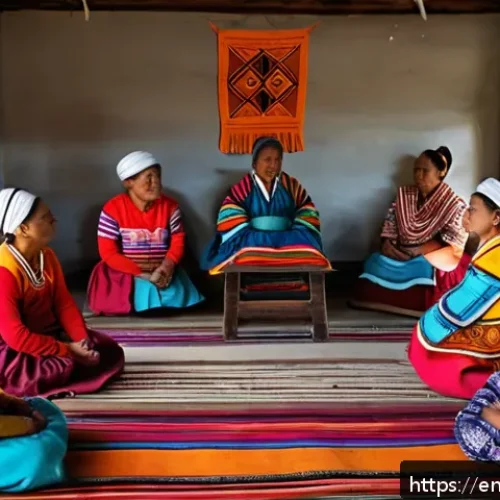
Finding friendly faces when you’re new in Ecuador can be a game-changer, and luckily, there are regular meetups organized by Korean expatriates in cities like Quito and Guayaquil.
These gatherings often happen in community centers, Korean restaurants, or even private homes, offering a warm, informal space to share stories, food, and experiences.
From celebrating Korean holidays like Chuseok to casual weekend hangouts, these events create a welcoming atmosphere where newcomers can quickly feel at home.
Personally, joining one of these meetups early on helped me break through the initial loneliness and build meaningful friendships.
Language Exchange and Learning Opportunities
One of the most practical ways to engage with the Korean community is through language exchange groups. Many Koreans living in Ecuador are eager to practice Spanish, while locals and other expats want to learn Korean.
These exchanges often happen in cafés or community spaces, providing a relaxed environment for both cultural and linguistic sharing. This kind of interaction not only improves language skills but also deepens cross-cultural understanding.
I found that participating in these sessions not only enhanced my Spanish but also gave me a deeper appreciation for Korean traditions and values.
Utilizing Online Platforms for Connection
In today’s digital world, connecting online before meeting in person can ease anxiety and provide useful information. Facebook groups, WhatsApp chats, and Korean expat forums tailored to Ecuador are active hubs for announcements about events, job opportunities, and daily tips.
For example, the “Koreans in Ecuador” Facebook group offers advice ranging from navigating local bureaucracy to finding authentic Korean groceries. Checking these platforms regularly helped me stay updated and feel connected even before arriving in Ecuador, and it’s a great way to ask questions anonymously if you’re shy at first.
Building Professional Networks Among Korean Expats
Business Associations and Trade Groups
For those moving to Ecuador for work or entrepreneurship, tapping into Korean business networks is invaluable. There are established groups and chambers of commerce that connect Korean business owners, investors, and professionals.
These organizations often host seminars, trade fairs, and networking dinners designed to foster collaboration and share market insights. Attending these events can provide critical contacts and practical advice for navigating Ecuador’s business landscape.
From my experience, the relationships formed through these channels have opened doors that would have otherwise been difficult to access alone.
Collaborative Projects and Startups
The growing Korean community in Ecuador has sparked a wave of innovative projects and startups, often focusing on cultural exchange, technology, or import-export businesses.
Many expats find opportunities to collaborate on ventures that combine Korean expertise with Ecuadorian resources. These partnerships not only promote economic growth but also strengthen communal ties.
When I joined a local tech startup founded by Korean entrepreneurs, it was inspiring to see how shared cultural roots could fuel creativity and business success in a foreign environment.
Mentorship and Career Guidance
Newcomers often benefit from mentorship programs offered informally within the Korean community. Experienced expats generously share their knowledge about Ecuador’s job market, work culture, and legal requirements.
Having a mentor can smooth the adjustment period, reduce trial-and-error mistakes, and boost confidence in professional settings. Personally, having a mentor who understood both the Korean and Ecuadorian contexts was a huge support during my first months, helping me avoid common pitfalls and accelerate my career integration.
Exploring Cultural Events and Traditions
Korean Festivals and Public Celebrations
Participating in Korean cultural festivals held in Ecuador is a fantastic way to experience familiar traditions while introducing locals to Korean heritage.
Events like Korean film screenings, traditional dance performances, and food fairs are often organized with support from the Korean embassy or cultural centers.
These occasions not only celebrate identity but also foster intercultural dialogue. Attending these festivals always made me feel proud and connected, and I noticed they attract a diverse crowd curious about Korean culture.
Religious and Spiritual Communities
Many Korean expats find comfort and community through churches and temples that cater to Korean speakers. These places often offer services in Korean and provide social programs such as youth groups, charity events, and holiday celebrations.
Joining these spiritual communities can be a source of emotional support and practical help, especially during challenging times of adjustment. When I attended a Korean church service in Quito, I was struck by the genuine warmth and sense of belonging that transcended language barriers.
Traditional Korean Cuisine and Cooking Classes
Food is a powerful connector, and the Korean community in Ecuador often organizes cooking classes or potlucks where recipes and culinary skills are shared.
These events are perfect for those missing the taste of home or eager to learn about Korean cooking techniques. I remember joining a kimchi-making workshop where the hands-on experience and shared stories created lasting friendships.
Plus, these culinary gatherings offer a delicious way to introduce Korean flavors to Ecuadorian friends and neighbors.
Accessing Korean Services and Resources Locally
Korean Grocery Stores and Markets
Finding authentic Korean ingredients in Ecuador can be a challenge, but several specialty stores in larger cities stock essentials like gochujang, kimchi, and dried seaweed.
Some of these shops also offer imported snacks and kitchenware familiar to Korean households. I found that frequenting these stores not only helped me cook traditional dishes but also served as casual meeting points for the community, where you might overhear Korean conversations or exchange tips on local living.
Healthcare and Language Assistance

Navigating healthcare in a foreign country can be daunting, but some Korean expats have established networks to recommend doctors, clinics, and translators who understand both the Korean language and Ecuadorian medical system.
This support is crucial for reducing stress during emergencies or routine checkups. Personally, having a bilingual healthcare contact gave me peace of mind and made appointments less intimidating.
Educational Support for Korean Families
Families relocating with children often seek schools that offer bilingual education or Korean language classes. While Ecuador does not have many Korean-language schools, some international schools provide Korean as an additional language or have Korean tutors available.
The community also organizes informal study groups and weekend language classes to help children maintain their Korean language skills and cultural knowledge.
For parents like me, these educational resources are a lifeline to preserving cultural identity while adapting to a new environment.
Volunteering and Community Service Opportunities
Community Outreach Programs
Many Korean expatriates contribute to local Ecuadorian communities through volunteering, whether it’s teaching Korean language, supporting environmental projects, or participating in charity drives.
These activities not only improve local relations but also enrich the expats’ experience by fostering a sense of purpose and connection beyond their own circle.
I found volunteering at a local school one of the most rewarding experiences, allowing me to give back while bridging cultural gaps.
Organizing Cultural Exchange Initiatives
Volunteers often spearhead cultural exchange programs that invite Ecuadorians to learn about Korea through workshops, performances, and shared meals. These initiatives promote mutual respect and understanding, creating a positive image of the Korean community.
Being part of such projects gave me a deeper appreciation for Ecuador’s openness and a meaningful way to share my heritage.
Supporting New Arrivals
Established Korean expats frequently volunteer to help newcomers settle in by providing orientation sessions, housing advice, and emotional support. This informal buddy system eases the initial culture shock and practical challenges of living abroad.
When I first moved to Ecuador, having someone to turn to for guidance was invaluable, and I now make it a point to pay that kindness forward.
Essential Contacts and Practical Information
Embassy and Consular Services
The Korean Embassy in Ecuador is a vital resource for expats, offering services such as passport renewal, legal assistance, and emergency support. Staying in touch with the embassy helps keep you informed about official announcements and community events.
Personally, I’ve relied on embassy newsletters to stay updated on travel advisories and visa regulations.
Local Korean Businesses and Service Providers
Many Korean-owned businesses in Ecuador provide tailored services that cater to the community’s specific needs, from travel agencies specializing in Korea-Ecuador routes to Korean-speaking lawyers and accountants.
Knowing these trusted contacts can save time and reduce frustration when dealing with bureaucracy or everyday matters.
Summary of Korean Community Resources in Ecuador
| Resource | Description | Location | Contact Info |
|---|---|---|---|
| Community Meetups | Regular social and cultural gatherings for networking and friendship | Quito, Guayaquil | Facebook Groups, WhatsApp |
| Business Network | Chambers of commerce and trade groups for professionals and entrepreneurs | Major cities | Local Korean Chamber of Commerce |
| Korean Grocery Stores | Supplies authentic Korean food and household items | Quito, Guayaquil | Local listings and community forums |
| Language Exchange Groups | Meetups for practicing Korean and Spanish | Community centers and cafés | Social media platforms |
| Embassy Services | Consular support, legal assistance, and cultural events | Quito | Korean Embassy in Ecuador |
| Volunteer Programs | Community service and cultural exchange initiatives | Various locations | Local expat community coordinators |
Conclusion
Connecting with the Korean community in Ecuador opens doors to meaningful friendships, professional opportunities, and rich cultural experiences. Whether through local meetups, business networks, or cultural events, these connections help ease the transition and create a supportive environment. Embracing these social circles enhances both personal growth and a sense of belonging in a new country.
Useful Information to Keep in Mind
1. Joining local Korean meetups is a great way to quickly build friendships and feel at home in Ecuador.
2. Language exchange groups offer valuable chances to improve Spanish and Korean while deepening cultural understanding.
3. Online platforms like Facebook and WhatsApp groups are essential for staying informed and connected before and after arrival.
4. Korean business associations provide critical support for entrepreneurs and professionals seeking to navigate Ecuador’s market.
5. Participating in cultural festivals and volunteering can enrich your experience and foster positive community relationships.
Key Takeaways
Building a network within the Korean community is vital for social and professional integration in Ecuador. Actively engaging in community events, language exchanges, and online forums creates strong support systems. Access to Korean grocery stores, healthcare resources, and educational support further eases daily life. Volunteering and cultural exchange initiatives not only benefit locals but also deepen expats’ connection to their new home. Lastly, maintaining contact with the Korean embassy and trusted local services ensures smoother navigation of bureaucratic and legal matters.
Frequently Asked Questions (FAQ) 📖
Q: How can I find Korean community groups or social gatherings in Ecuador?
A: The best way to start is by searching for Korean expat groups on social media platforms like Facebook or Meetup. Many Korean residents in Ecuador organize regular meetups, cultural events, and informal gatherings through these channels.
Additionally, contacting the Korean embassy or consulate in Ecuador can provide you with official information about local Korean associations or events.
I personally found joining a Facebook group dedicated to Koreans in Quito helped me quickly connect with others and get invitations to various activities.
Q: Are there Korean businesses or cultural centers in Ecuador where I can meet others?
A: Yes, although the Korean community in Ecuador is relatively small, there are a few Korean-owned restaurants, grocery stores, and cultural centers, especially in major cities like Quito and Guayaquil.
These places often serve as informal hubs for Korean expatriates to meet, exchange information, and celebrate traditional holidays. From my experience, visiting these spots not only helps you feel closer to home but also introduces you to locals interested in Korean culture, which can be a rewarding way to build new friendships.
Q: What are some cultural events or festivals that the Korean community celebrates in Ecuador?
A: The Korean community in Ecuador typically celebrates major Korean holidays such as Chuseok (Korean Thanksgiving) and Seollal (Lunar New Year). These events are often organized by local Korean associations and include traditional food, music, and games.
Attending these celebrations can be a fantastic way to experience Korean culture while meeting fellow expats and locals alike. When I joined a Seollal gathering, it felt like a warm, welcoming family reunion, making my adjustment to life in Ecuador much smoother and more enjoyable.