In a world racing toward modernization, the fading voices of Ecuador’s indigenous communities remind us of the urgent need to preserve cultural heritage.
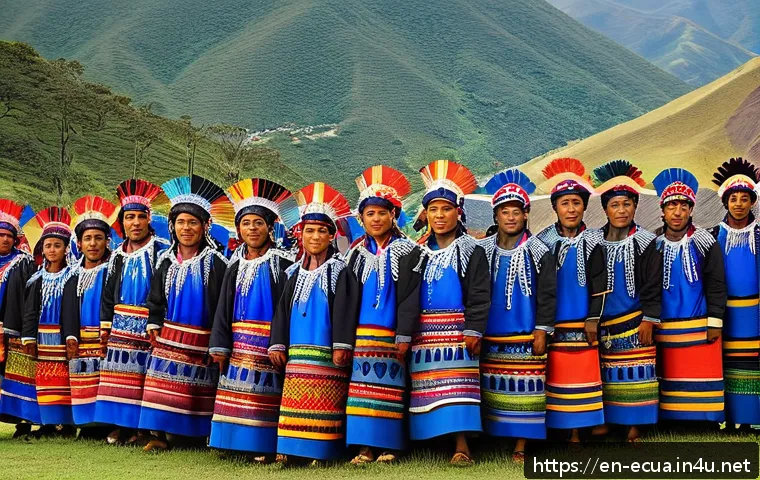
Recent efforts by these traditional groups showcase resilience in the face of globalization and environmental challenges. As more people become aware of this silent crisis, stories of survival and revival are inspiring a global conversation.
Join me as we explore how Ecuador’s vibrant cultures are fighting to keep their languages, rituals, and identities alive amidst rapid change. This journey not only highlights the power of tradition but also the importance of supporting indigenous rights today.
Guardians of Ancestral Languages: Breathing Life into Words
Reviving Endangered Tongues Through Community Efforts
The indigenous peoples of Ecuador are spearheading remarkable initiatives to reclaim their native languages, many of which teeter on the brink of extinction.
Unlike the widespread dominance of Spanish, these languages carry centuries of wisdom, worldview, and identity. Local communities have organized workshops, storytelling sessions, and language nests where elders teach children their ancestral tongue.
From Kichwa to Shuar, these efforts do more than preserve words; they restore pride and continuity in cultural expression. I recently spoke with a teacher who shared how her students’ excitement to learn their mother tongue sparks hope for a future where these languages flourish again.
Technology as a Bridge Between Generations
Embracing modern tools, indigenous youth have developed apps and digital dictionaries that catalog their languages in accessible formats. This blend of tradition and innovation allows them to reach younger generations who are otherwise more exposed to mainstream culture.
Social media channels also play a key role, where short videos and interactive content promote daily use of indigenous words. From my observation, this tech-savvy approach creates an engaging platform for language learning, making preservation both practical and fun.
It’s inspiring to witness how technology, often blamed for cultural erosion, becomes an ally in cultural survival.
The Role of Education Policies in Language Preservation
Government and educational institutions are gradually recognizing the importance of bilingual education models that include indigenous languages. Although implementation varies across regions, policies encouraging mother tongue instruction in early schooling have shown promising results.
These programs not only improve academic performance but also boost self-esteem among indigenous children, strengthening their cultural roots. Personally, I’ve noticed that when children learn in their native language, their connection to community history and traditions deepens, creating a solid foundation for lifelong cultural engagement.
Rituals Rekindled: Keeping Traditions Vibrant in Modern Times
Festivals as Living Testaments of Heritage
Traditional festivals in Ecuador’s indigenous communities are more than celebrations; they are acts of cultural resilience. Events like Inti Raymi (Festival of the Sun) and the Day of the Dead ceremonies have seen a resurgence in participation, attracting both locals and tourists.
These gatherings blend ancient rituals with contemporary expressions, reinforcing identity and communal bonds. Attending one of these festivals, I was struck by the palpable energy and reverence that transcends generations, proving that cultural rituals remain a vital force despite outside pressures.
Craftsmanship and Its Role in Cultural Continuity
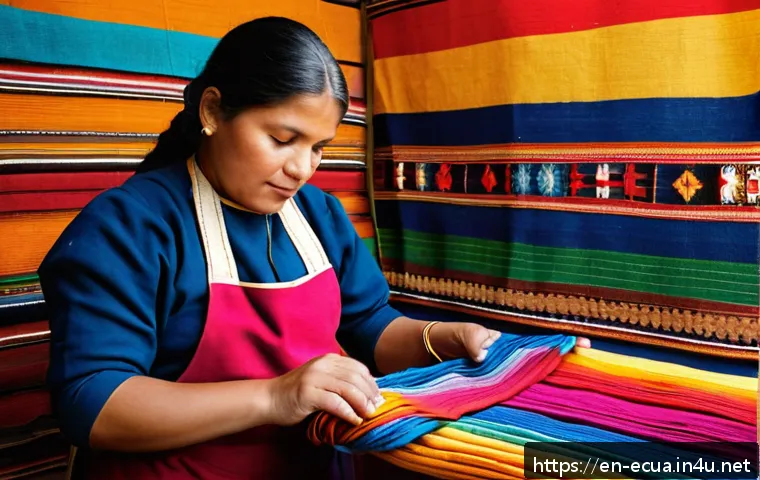
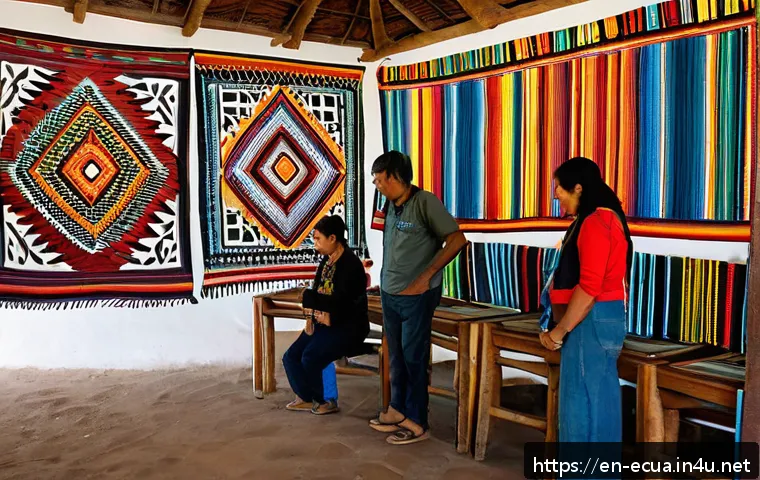
Handicrafts such as weaving, pottery, and beadwork carry symbolic meanings tied to ancestral knowledge. Artisans pass down these skills through apprenticeships within families, preserving techniques that date back centuries.
Beyond artistry, these crafts provide economic support, empowering communities to sustain their way of life. Observing a weaver at work, I was amazed at how each pattern told a story, weaving history and identity into every thread.
Supporting these crafts not only helps preserve culture but also promotes sustainable livelihoods.
Challenges and Adaptations in Ritual Practices
While many traditions survive, some have had to adapt to changing social and environmental realities. For example, rituals once dependent on specific natural resources now face scarcity due to deforestation and climate change.
Communities have creatively modified ceremonies to honor their spirit without compromising sustainability. This delicate balance between preservation and adaptation demonstrates the dynamic nature of indigenous culture.
From conversations with community leaders, it’s clear that flexibility is key to keeping rituals alive without losing their essence.
Protecting Sacred Spaces Amid Environmental Shifts
The Spiritual Significance of Land
For Ecuador’s indigenous groups, land is not merely territory but a living entity intertwined with spiritual beliefs and cultural identity. Sacred mountains, rivers, and forests serve as sites for rituals and community gatherings.
Protecting these spaces is crucial for maintaining cultural continuity. I’ve witnessed how environmental degradation directly threatens not only biodiversity but also the spiritual health of these communities, underscoring the inseparability of nature and culture in indigenous worldviews.
Community-Led Conservation Initiatives
Indigenous communities have taken proactive roles in conserving their environments through sustainable practices and legal activism. Many have established protected areas managed by traditional knowledge systems, ensuring both ecological balance and cultural preservation.
This grassroots stewardship often contrasts with external development pressures but has gained recognition for its effectiveness. Personally, seeing how community guardians patrol forests and organize reforestation efforts impressed me with their deep commitment to safeguarding both land and heritage.
Climate Change and Its Cultural Impact
The increasing unpredictability of weather patterns and resource depletion presents urgent challenges. Changes in rainfall and temperature affect agricultural cycles, hunting, and gathering practices integral to indigenous livelihoods and customs.
Elders express concern about losing traditional knowledge tied to these natural rhythms. During field visits, I observed how younger generations are being taught adaptive strategies that blend ancestral wisdom with scientific approaches, aiming to preserve cultural practices even as the environment transforms.
Voices Rising: Advocacy and Indigenous Rights
Legal Recognition and Political Representation
Over recent decades, Ecuador has made strides in recognizing indigenous rights through constitutional reforms and international agreements. Indigenous leaders increasingly participate in political arenas, advocating for land rights, cultural preservation, and social justice.
Their voices challenge marginalization and seek equitable policies. In interviews, activists emphasized how political empowerment is essential for sustaining cultural heritage and ensuring that indigenous communities have control over their futures.
Global Solidarity and Awareness Campaigns
International networks and NGOs have amplified indigenous voices, connecting local struggles with global movements. Campaigns highlighting cultural survival and environmental justice have attracted widespread support, raising awareness beyond Ecuador’s borders.
I have noticed how storytelling and media coverage help humanize these issues, turning abstract rights debates into relatable narratives. This global solidarity fuels momentum for protective measures and funding for indigenous-led projects.
Challenges to Advocacy Efforts
Despite progress, indigenous activists face obstacles such as political resistance, resource constraints, and social discrimination. Balancing cultural preservation with economic development remains a contentious issue.
Furthermore, internal community dynamics sometimes complicate unified advocacy. From conversations with advocates, it’s evident that perseverance and coalition-building are crucial to overcoming these hurdles.
The resilience displayed in these efforts reflects the profound commitment to safeguarding cultural identity against all odds.
Economic Empowerment Through Cultural Innovation
Cultural Tourism as a Double-Edged Sword
Tourism centered on indigenous traditions offers economic opportunities but also risks commodifying culture. Some communities have developed sustainable tourism models that prioritize authenticity and respect for cultural values.
Visitors gain meaningful experiences while communities generate income to fund preservation projects. Having participated in cultural tours myself, I can attest to the importance of respectful engagement and the empowering effect when communities control their narratives and benefits.
Artisan Cooperatives and Fair Trade
Collective organizations enable artisans to access wider markets and fair prices, reducing exploitation. These cooperatives often incorporate training in business skills and quality standards, blending tradition with modern entrepreneurship.
Supporting such initiatives contributes directly to community well-being and cultural continuity. I’ve met cooperative members who expressed pride in sharing their heritage globally, proving that economic success and cultural preservation can go hand in hand.
Innovative Cultural Products for New Markets
Some indigenous entrepreneurs are creating contemporary products inspired by traditional motifs, appealing to global consumers while honoring heritage.
From fashion to home decor, these innovations reflect cultural identity in fresh contexts. This adaptive creativity opens new revenue streams and fosters cultural pride among youth.
Observing these ventures, I was impressed by the balance they strike between innovation and respect for tradition, demonstrating culture’s evolving yet enduring nature.
| Aspect | Challenges | Community Responses |
|---|---|---|
| Language | Decline in native speakers, dominance of Spanish | Language nests, digital tools, bilingual education |
| Rituals | Loss of resources, modernization pressures | Festival revitalization, adaptive ceremonies |
| Environment | Deforestation, climate change | Community conservation, sustainable practices |
| Advocacy | Political marginalization, resource limits | Legal reforms, global campaigns, political participation |
| Economy | Exploitation, cultural commodification | Sustainable tourism, cooperatives, cultural entrepreneurship |
Intergenerational Bonds: Passing Down Cultural Wisdom
Family as the Heart of Tradition
In Ecuador’s indigenous communities, families play an essential role in transmitting cultural knowledge. From early childhood, children absorb stories, songs, and customs through daily interactions with elders.
This hands-on learning nurtures not only skills but also a deep emotional connection to heritage. I’ve noticed that these familial ties create a living archive of culture, where wisdom flows naturally and continuously, resisting external cultural dilution.
Youth Engagement and Cultural Identity
Younger generations are increasingly taking pride in their roots, actively participating in cultural events and revitalization projects. Schools and community centers provide platforms for youth to express their identity creatively and politically.
However, balancing modern aspirations with traditional expectations can be complex. Through conversations with young indigenous people, it became clear that embracing both worlds enriches their sense of self and strengthens community resilience.
The Role of Storytelling and Oral Traditions
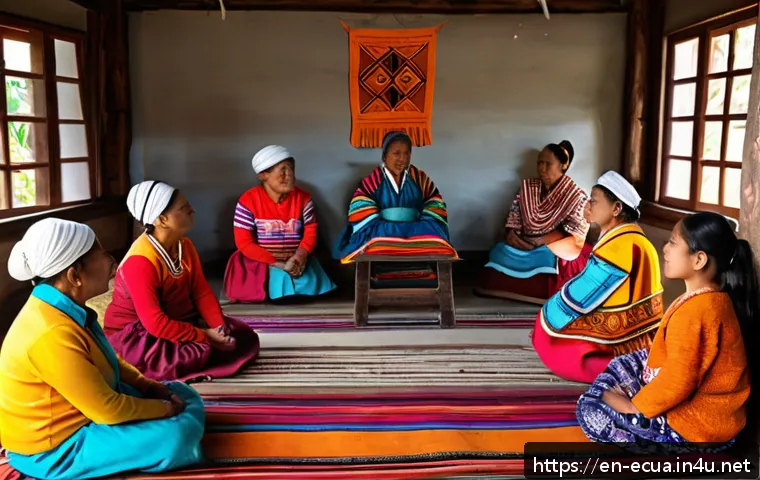
Oral narratives remain a cornerstone for preserving history, values, and collective memory. Storytelling sessions often serve as educational moments, teaching ethics and community roles.
I recall attending a gathering where elders captivated audiences with ancestral tales, weaving lessons into vivid stories. This practice keeps culture dynamic and accessible, ensuring that even as times change, the essence of identity remains intact.
Building Bridges: Collaboration for Cultural Sustainability
Partnerships Between Indigenous and Academic Institutions
Collaborative projects with universities and researchers aim to document and revitalize indigenous heritage respectfully. These partnerships often focus on language preservation, ethnobotany, and cultural mapping.
When conducted with community consent and leadership, such research empowers indigenous peoples by validating their knowledge. Involvement in these initiatives has shown me how science and tradition can complement each other in sustaining culture.
NGOs Supporting Grassroots Movements
Non-governmental organizations provide crucial resources, training, and advocacy support. By working directly with communities, NGOs help scale preservation efforts and amplify indigenous voices.
Their role includes facilitating access to funding and legal aid, which can be game-changers in cultural survival. I’ve seen firsthand how effective these collaborations are when built on mutual respect and shared goals.
International Frameworks and Their Local Impact
Global agreements such as the UN Declaration on the Rights of Indigenous Peoples set important standards for cultural protection. Ecuador’s adherence to these frameworks influences national policies and community empowerment.
While implementation challenges remain, these international norms offer indigenous groups leverage in negotiations with governments and corporations. Understanding this dynamic helped me appreciate how local actions connect to a broader movement for indigenous justice and cultural preservation.
In Conclusion
Preserving indigenous cultures in Ecuador is a vibrant and ongoing journey that blends tradition with innovation. Through community dedication, education, and technology, ancestral languages and rituals continue to thrive despite challenges. These efforts not only safeguard cultural identity but also inspire future generations to cherish and carry forward their heritage with pride.
Useful Information to Know
1. Indigenous language revitalization often involves immersive programs like language nests and digital tools to engage young learners effectively.
2. Traditional festivals serve as vital expressions of cultural resilience, blending ancient customs with modern participation.
3. Environmental stewardship led by indigenous communities integrates spiritual values with sustainable conservation practices.
4. Advocacy for indigenous rights is strengthened through political representation, legal reforms, and global solidarity campaigns.
5. Economic empowerment through cultural tourism and artisan cooperatives helps sustain both livelihoods and heritage preservation.
Key Takeaways
Indigenous cultural preservation in Ecuador requires a multifaceted approach that addresses language loss, environmental challenges, and social advocacy. Community-driven initiatives combined with supportive policies and partnerships foster resilience and adaptability. Emphasizing intergenerational knowledge transfer and respectful economic opportunities ensures that traditions remain a living, evolving part of contemporary life. Ultimately, protecting culture is inseparable from protecting the land and empowering the people who call it home.
Frequently Asked Questions (FAQ) 📖
Q: uestionsQ1: Why is it important to preserve the languages and traditions of Ecuador’s indigenous communities?
A: Preserving indigenous languages and traditions is vital because they carry unique worldviews, knowledge of biodiversity, and cultural identity that cannot be replaced.
These elements enrich global diversity and offer sustainable ways of living that have been honed over centuries. Losing them means not only erasing histories but also weakening social cohesion and environmental stewardship within Ecuador and beyond.
Q: What challenges do Ecuador’s indigenous groups face in maintaining their cultural heritage?
A: Indigenous communities in Ecuador confront multiple challenges such as pressure from modernization, economic marginalization, deforestation, and climate change.
Globalization often promotes dominant languages and lifestyles, pushing younger generations away from their roots. Additionally, limited political representation and access to resources make it harder for these groups to protect their lands and traditions effectively.
Q: How can outsiders support the survival and revival of Ecuador’s indigenous cultures?
A: Support can come through respectful engagement, amplifying indigenous voices, and advocating for their rights on local and international platforms. Tourism that respects cultural integrity, funding for education in native languages, and backing environmental initiatives led by indigenous peoples are impactful ways to contribute.
Personally, I’ve seen how community-led projects thrive when they receive genuine support rather than top-down interventions.