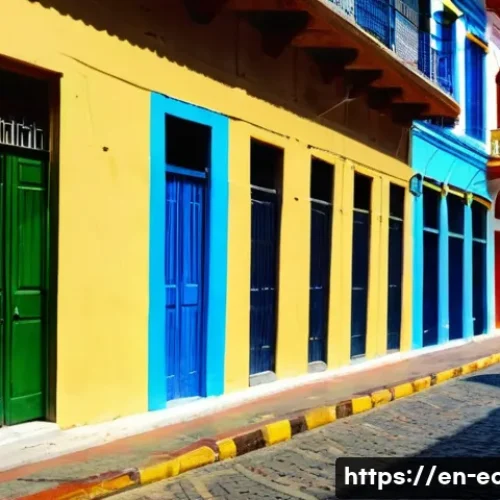
Ecuador’s art scene is bursting with color, culture, and creativity, making it a must-explore destination for any art lover. From the bustling streets of Quito to the charming local markets scattered across the country, the vibrant galleries and artisan stalls offer a unique glimpse into Ecuador’s rich heritage and contemporary expressions.

With recent global interest in Latin American art soaring, now is the perfect time to dive into Ecuador’s artistic heartbeat. Whether you’re seeking handcrafted souvenirs or awe-inspiring masterpieces, this guide will lead you through the best spots to experience the country’s dynamic visual culture firsthand.
Let’s embark on this colorful journey together and uncover the stories behind each brushstroke and craft.
Discovering Ecuador’s Artistic Traditions Through Craftsmanship
Roots of Ecuadorian Handicrafts
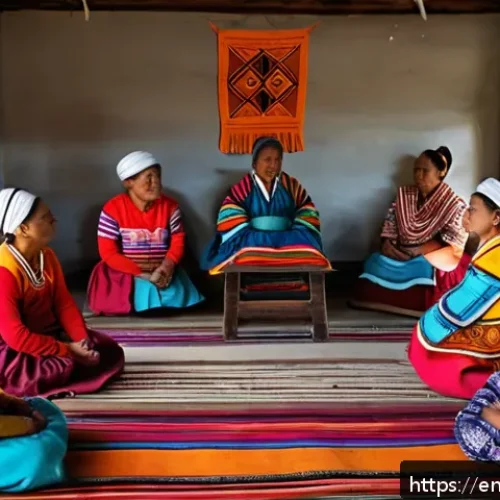
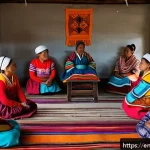
Ecuador’s artisanal legacy runs deep, reflecting centuries of indigenous culture and colonial influences. Walking through local markets, you can see how traditional techniques like weaving, pottery, and wood carving have been lovingly preserved and passed down through generations.
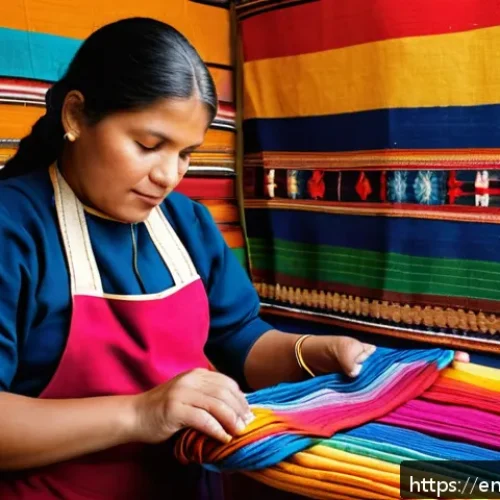
What fascinates me most is the way artisans integrate natural materials native to the region — alpaca wool, tagua nuts, and vibrant natural dyes — into their creations.
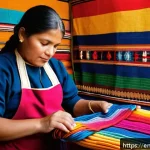
These crafts aren’t just souvenirs; they’re living stories that connect you to Ecuador’s diverse landscapes and peoples. I remember chatting with a weaver in Otavalo who proudly explained how each pattern on her textiles represents a specific ancestral tale, which made me appreciate the cultural weight behind what might seem like simple designs.
Modern Artisans Blending Tradition and Innovation
While tradition is the foundation, many Ecuadorian artists infuse contemporary elements into their work, creating pieces that feel both timeless and refreshingly modern.
I’ve seen jewelry makers combine classic silverwork with bold, geometric designs that appeal to younger audiences, while pottery studios experiment with new forms and glazes, pushing the boundaries of old-school ceramics.
This blend of old and new is what keeps Ecuador’s craft scene so alive and relevant today. It’s exciting to witness artisans adapting to global trends without losing their cultural identity — a balance that’s not easy to achieve but is visible in their vibrant work.
Supporting Local Artisans: What to Look For
When buying Ecuadorian crafts, authenticity matters — not just for quality but to ensure your purchase supports the local economy fairly. Look for items labeled as handmade or fair trade, and if possible, buy directly from the artists or cooperatives.
I’ve found that engaging with artisans adds another layer to the experience; hearing their stories makes every piece more meaningful. Plus, handmade goods often come with slight imperfections, a sign of genuine craftsmanship rather than mass production.
It’s worth taking the time to explore smaller towns and markets, where you’ll discover hidden gems that tourists often miss.
Exploring Ecuador’s Urban Art Movements
Street Art: Quito’s Open-Air Galleries
Quito’s streets have become canvases for an incredible array of murals that tell stories of social change, indigenous identity, and environmental concerns.
Walking through neighborhoods like La Mariscal or Centro Histórico, I was struck by how these vibrant murals transform ordinary walls into powerful messages.
The street art scene is dynamic, often politically charged, and reflects the city’s pulse in real time. Local artists use bold colors and intricate details to capture attention, inviting both locals and visitors to engage with the city’s evolving narrative.
It’s a living exhibition that changes regularly, so there’s always something new to discover.
Contemporary Galleries Showcasing Emerging Talent
Beyond the streets, Quito and Guayaquil host contemporary galleries that spotlight up-and-coming Ecuadorian artists alongside established names. These spaces often curate exhibitions that challenge traditional art forms, featuring mixed media, installations, and experimental photography.
I’ve attended several shows where the energy was palpable, with artists present to discuss their inspirations and techniques. These galleries act as incubators for creativity, pushing Ecuadorian art onto the international stage.
Visiting them offers a glimpse into the country’s artistic future, showing how local creators are dialoguing with global art trends while maintaining their unique voices.
Interactive Art Spaces and Workshops
For those wanting a hands-on experience, some urban art centers offer workshops where visitors can learn traditional crafts or participate in mural painting.
I took part in a workshop in Quito where a local artist guided us through designing a community mural. It was not only fun but deeply rewarding to contribute to public art that reflects collective identity.
These interactive spaces foster cultural exchange and help preserve artistic traditions by involving people directly in the creative process. They’re perfect for travelers looking to connect more meaningfully with Ecuador’s art scene.
The Role of Indigenous Art in Ecuador’s Visual Culture
Symbolism and Spirituality in Indigenous Art
Indigenous art in Ecuador carries profound symbolism tied to cosmology, nature, and spirituality. Each motif and color choice often has deep meaning, representing elements like the sun, earth, or ancestral spirits.
I found that understanding these symbols opens a whole new dimension to appreciating the artworks. For example, Kichwa textiles often feature repetitive geometric patterns symbolizing balance and harmony, concepts central to indigenous worldviews.
This spiritual layer gives indigenous art a timeless quality that resonates beyond aesthetics.
Preserving Indigenous Techniques Amid Modern Challenges
Many indigenous communities face challenges in preserving their artistic heritage due to globalization and economic pressures. However, initiatives led by local organizations have helped revitalize these traditions by providing training, resources, and platforms for artists.
I visited a cooperative in the Andean highlands where young artisans were learning traditional weaving while incorporating contemporary designs to attract wider markets.
These efforts not only sustain cultural identity but also empower communities economically, creating a vital link between art and social wellbeing.
Where to Experience Indigenous Art Authentically
To truly experience indigenous art, it’s best to visit communities directly or buy from cooperatives rather than commercial outlets that may dilute authenticity.
Places like Otavalo, Cotacachi, and the Sierra region are renowned for their rich indigenous art scenes. Spending time in these areas allows you to meet the artists, learn about their creative processes, and gain insight into their lifestyles.
Such encounters enrich your understanding and support the preservation of these invaluable cultural expressions.
Art Festivals and Events Celebrating Creativity
Annual Art Festivals That Ignite the City
Ecuador hosts a variety of art festivals throughout the year that draw artists and visitors from across Latin America and beyond. Events like the Quito Biennale and the Guayaquil International Art Festival are highlights, showcasing a broad spectrum of visual arts, performances, and workshops.

Attending these festivals, I was amazed at the diversity of styles and the energy of the crowds. They’re perfect opportunities to see cutting-edge works, meet artists, and immerse yourself in the country’s vibrant creative community.
Community Art Projects and Cultural Celebrations
Beyond large festivals, smaller community-driven art projects play a crucial role in keeping local culture alive. I’ve participated in mural painting days and street performances linked to traditional celebrations, which bring people together in creative expression.
These grassroots efforts often address social issues or celebrate heritage, making art a tool for dialogue and unity. Experiencing these events firsthand reveals how art is woven into everyday life in Ecuador, far beyond galleries and museums.
Tips for Planning Your Visit Around Art Events
If your schedule allows, timing your visit to coincide with major art festivals can greatly enrich your experience. I recommend checking local cultural calendars and booking accommodations early, as these events attract many visitors.
Also, keep an eye out for pop-up exhibitions and artist talks that happen around festival times. Even if you miss the big events, many galleries and public spaces maintain lively schedules, so there’s always something to explore.
Understanding Ecuador’s Contemporary Art Market
Key Players and Collectors
Ecuador’s contemporary art market is growing steadily, with galleries, collectors, and auction houses becoming increasingly active. I’ve noticed a rising interest from international buyers who appreciate the unique blend of indigenous heritage and modern aesthetics.
Collectors often focus on emerging artists who challenge conventional norms, reflecting broader global trends. This growing market not only benefits artists financially but also elevates Ecuador’s profile on the global art map.
Pricing and Investment Potential
Pricing in the Ecuadorian art market varies widely depending on the artist’s reputation, medium, and originality. While some pieces remain affordable for local buyers and tourists, others command significant prices among collectors.
From my experience, investing in Ecuadorian art can be rewarding, both culturally and financially, as many artists are gaining international recognition.
It’s wise to research galleries and seek expert advice when considering purchases to ensure authenticity and fair pricing.
How to Navigate Buying Art in Ecuador
Buying art in Ecuador requires a bit of savvy to avoid pitfalls like counterfeit works or inflated prices. Visiting reputable galleries and attending exhibitions is the best way to find genuine pieces.
I always suggest asking questions about the artist’s background and the work’s provenance. Many galleries provide certificates of authenticity, which add value and security to your purchase.
Building relationships with gallery owners or artists can also lead to better deals and insider knowledge on upcoming talent.
Artistic Experiences Beyond Visual Arts
Performance Art and Theater
Ecuador’s art scene isn’t limited to visual arts; performance art and theater play significant roles in cultural expression. Cities like Quito and Cuenca host vibrant theater festivals and experimental performance events that often address social and political themes.
I attended a contemporary dance show that blended indigenous movements with modern choreography — it was a moving experience that expanded my appreciation of Ecuador’s artistic diversity.
These performances offer immersive ways to engage with the country’s creative spirit.
Music and Dance as Art Forms
Traditional music and dance are integral to Ecuadorian culture and often intersect with visual arts in festivals and community events. From the rhythmic beats of Afro-Ecuadorian marimba to the Andean panpipes, these art forms tell stories of identity and resilience.
Participating in local dance gatherings gave me a firsthand sense of how music animates social bonds and cultural pride. For art lovers, exploring these soundscapes adds depth to understanding Ecuador’s multifaceted artistic heritage.
Workshops for Cultural Immersion
Many cultural centers offer workshops that combine different art forms, such as textile dyeing accompanied by traditional music or pottery classes with storytelling sessions.
I found these immersive experiences invaluable for connecting with the culture beyond surface-level observation. They create spaces where visitors can actively participate, learn skills, and appreciate the interconnectedness of Ecuadorian art.
If you want to come away with more than just souvenirs, these workshops are a must-try.
| Art Form | Region Known For | Typical Materials | Unique Characteristics |
|---|---|---|---|
| Textile Weaving | Otavalo, Sierra | Alpaca Wool, Cotton, Natural Dyes | Intricate Patterns Symbolizing Nature and Ancestry |
| Pottery | Cuenca, Loja | Clay, Natural Pigments | Traditional Shapes with Modern Glazes |
| Silver Jewelry | Quito, Cotacachi | Silver, Tagua Nuts | Blend of Colonial and Indigenous Designs |
| Wood Carving | Coastal Regions | Local Hardwood | Religious and Folkloric Motifs |
| Street Art | Quito, Guayaquil | Spray Paint, Murals | Political and Social Commentary |
In Conclusion
Exploring Ecuador’s rich artistic traditions reveals a vibrant blend of history, culture, and innovation. From indigenous crafts to urban art scenes, each expression offers a unique window into the country’s soul. Engaging directly with artisans and communities deepens appreciation and supports cultural preservation. Whether you’re a casual visitor or an art enthusiast, Ecuador’s creative spirit promises an inspiring and memorable experience.
Helpful Information to Know
1. Authenticity is key when purchasing Ecuadorian crafts—seek handmade or fair-trade labels and buy directly from artisans when possible.
2. Ecuador’s art festivals, such as the Quito Biennale, are excellent opportunities to experience a wide range of contemporary and traditional artworks.
3. Indigenous art carries deep spiritual symbolism, so learning about the meanings behind motifs can enrich your understanding.
4. Urban art hubs in Quito and Guayaquil offer dynamic street murals and galleries showcasing emerging talent.
5. Participating in workshops or community art projects can provide hands-on cultural immersion beyond just viewing art.
Key Takeaways
Respecting the cultural significance behind Ecuadorian art ensures meaningful engagement and supports local communities economically. Authentic experiences come from connecting with artists and exploring less-touristy regions. The contemporary art market is growing, but informed buying helps avoid counterfeit works. Combining traditional techniques with modern creativity keeps Ecuador’s art scene vibrant and relevant. Lastly, embracing various art forms—including performance and music—offers a fuller picture of the country’s artistic heritage.
Frequently Asked Questions (FAQ) 📖
Q: What are the must-visit art galleries in Quito for experiencing Ecuador’s contemporary art scene?
A: Quito is home to several standout galleries that showcase Ecuador’s vibrant contemporary art. The Casa de la Cultura Ecuatoriana is a fantastic starting point, offering exhibitions from local artists alongside cultural events.
For a more modern vibe, the Galería Metropolitana features innovative works from emerging talents. Don’t miss the Museo de Arte Contemporáneo, where you can immerse yourself in cutting-edge installations and paintings.
Visiting these spaces not only reveals Ecuador’s artistic evolution but also gives you a chance to interact with passionate artists and curators.
Q: Where can I find authentic handcrafted Ecuadorian art and souvenirs?
A: For genuine handcrafted pieces, local markets and artisan fairs are your best bet. The Otavalo Market, just a couple of hours from Quito, is legendary for its woven textiles, jewelry, and pottery.
In the capital, the Mercado Artesanal La Mariscal offers a wide variety of hand-carved woodworks, traditional masks, and vibrant paintings. These markets are lively, colorful hubs where you can chat directly with artisans, often learning about the techniques and stories behind each creation.
Buying here supports local communities and ensures you take home a piece of Ecuador’s soul.
Q: How has global interest in Latin
A: merican art influenced Ecuador’s art scene recently? A3: The surge in global fascination with Latin American art has definitely put Ecuador on the map for collectors and art enthusiasts.
More international galleries and fairs are spotlighting Ecuadorian artists, which has encouraged local creatives to experiment and push boundaries. This exposure has led to increased investment in cultural infrastructure and art education within the country.
From my experience visiting exhibitions and studios, there’s a palpable energy—artists are blending traditional motifs with contemporary themes, creating works that resonate worldwide while staying deeply rooted in their heritage.
It’s an exciting time to witness and be part of this artistic renaissance.