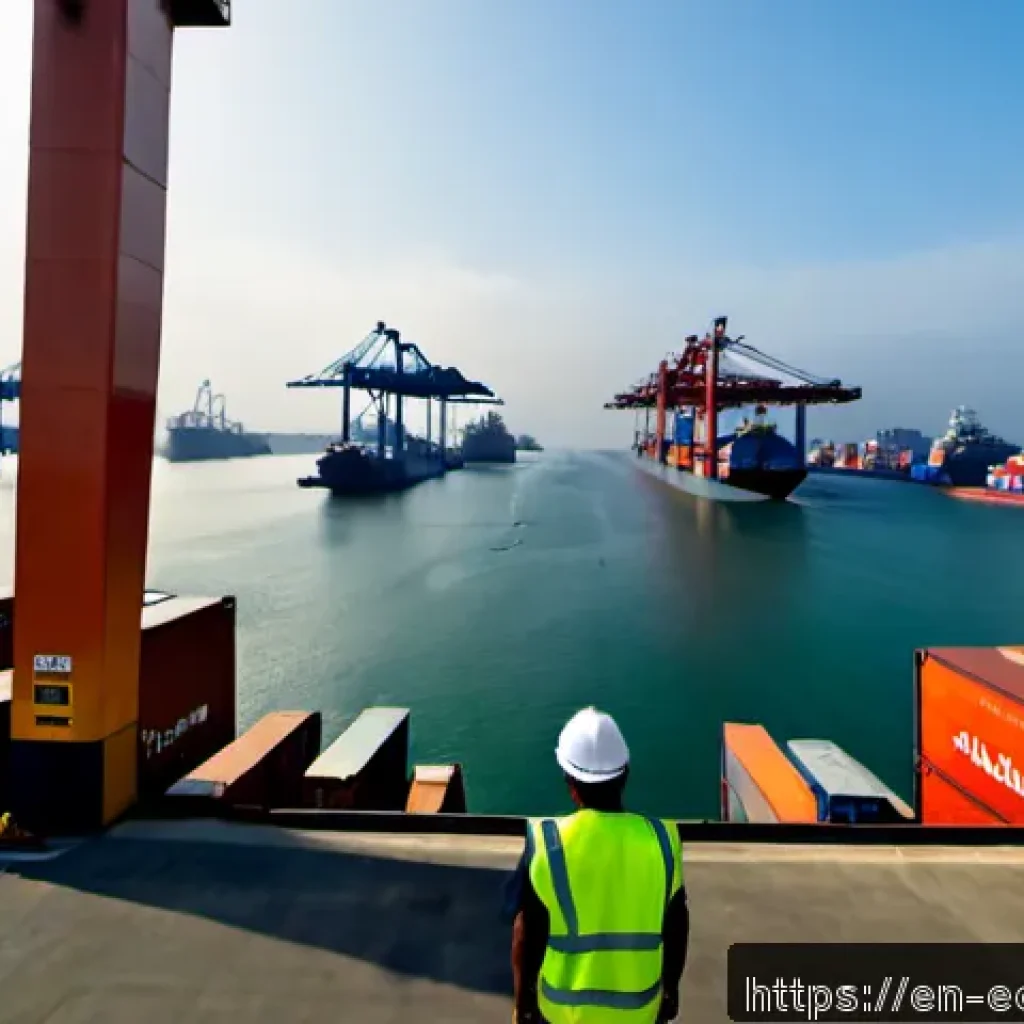
Chinese economic engagement in Ecuador reaches beyond a single type of investment. It includes company participation in energy, mining, infrastructure, and telecommunications, as well as lending arrangements that may be connected to oil exports.
The Ecuador–China free trade agreement, in force since 2024, adds a trade dimension to the relationship. Still, headline figures can be misleading because direct investment, loans, construction contracts, and trade commitments are not the same thing.
Looking at individual projects is usually the clearest way to understand both the opportunities and the concerns.
Overview of China’s Economic Role in Ecuador
China has become an important economic partner for Ecuador through corporate activity, lending, construction, and trade ties. Chinese companies have taken part in several strategic sectors, while Chinese policy banks and other Chinese lenders have provided financing for Ecuadorian projects and government arrangements. This relationship is often discussed as “Chinese investment,” but that broad label can conceal major differences in how money is provided and what each agreement requires.
Investment, loans, and trade are different forms of engagement
Foreign direct investment generally involves a company holding an ownership interest or operating role in a business or project. Lending is different: a lender provides funds that must be repaid under agreed terms, even when the financing supports public infrastructure or a state-linked activity. Construction contracts are another category, where a contractor builds a project without necessarily owning it after completion.
Trade agreements also deserve separate treatment. The Ecuador–China free trade agreement entered into force in 2024, but a trade agreement does not automatically create a specific investment commitment. It can shape the commercial setting for exporters, importers, and firms considering future activity. Its practical effect on investment will depend on implementation and on decisions by businesses and public institutions.
Why project-level analysis matters
There is no confirmed single figure for the total value of all active Chinese investment in Ecuador. Project-level analysis is more useful because ownership, financing terms, construction responsibilities, and operating status can differ substantially. A mining company’s interest in a project, for example, should not be counted in the same way as a loan used to finance a power facility.
Readers should also separate announced commitments from operating assets and completed construction. The future scale of Chinese lending or new investment is not fixed and requires confirmation as projects, regulations, and market conditions evolve.
Main Sectors Receiving Chinese Capital
Chinese participation in Ecuador has been concentrated in sectors tied to infrastructure, natural resources, and national connectivity. These sectors can involve large capital needs and long project timelines, which makes financing structure and oversight especially important.
Energy and electricity infrastructure
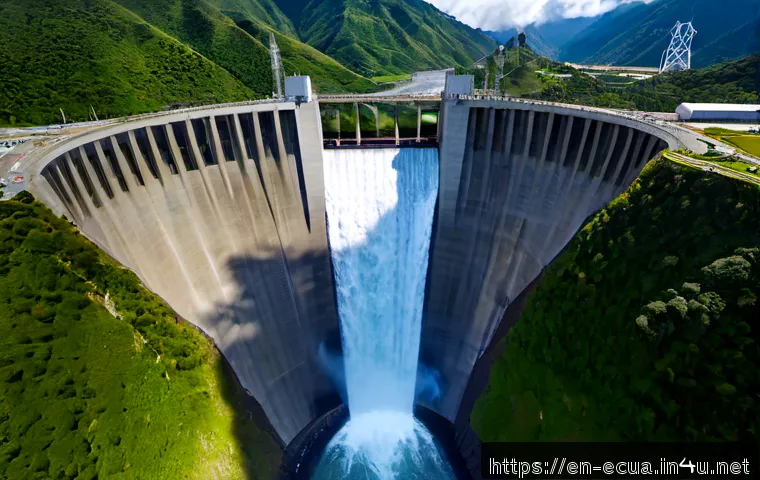
Energy has been a visible part of the relationship. The Coca Codo Sinclair hydroelectric project was built by a Chinese contractor and financed with Chinese lending. It illustrates how construction services and project finance can be linked within the same large infrastructure development.
Hydroelectric and other electricity projects may offer potential benefits through added infrastructure and power generation capacity. At the same time, the performance, maintenance needs, environmental outcomes, and long-term financial effects of any individual project should be assessed separately. Those results cannot be assumed from the contractor’s nationality or the source of financing alone.
Mining, oil, and transport projects
Chinese firms have held interests in large-scale mining projects in Ecuador, including copper and gold developments. Mining can support export potential and attract capital, but the full outcome depends on project execution, regulatory compliance, environmental review, and relationships with affected communities.
Oil has also been relevant because Ecuador has received Chinese financing through arrangements connected to oil exports. These arrangements are not identical to an oil company making a direct investment in a producing asset. Their significance lies in the connection between financing, repayment, and export commitments, so the specific terms matter.
Infrastructure participation has included transport-related projects as part of broader Chinese company activity in Ecuador. Whether a project delivers durable economic value depends on its operational performance, public procurement and regulatory processes, and the terms governing construction, financing, and later operation.
| Form of engagement | What it can involve | Key question to examine |
|---|---|---|
| Direct investment | A company interest in a mining, energy, telecommunications, or other project | Who owns and operates the asset? |
| Lending | Financing from Chinese policy banks or other Chinese lenders | What are the repayment and related export terms? |
| Construction and infrastructure work | A contractor building a facility or transport-related project | Does construction include ownership or only delivery work? |
| Trade arrangements | Commercial access and rules under the free trade agreement | How does implementation affect actual business decisions? |
Major Projects and Financing Arrangements
Large projects often combine several forms of Chinese engagement. A facility may have Chinese financing, a Chinese contractor, and a separate Ecuadorian owner or operator. Treating all of those roles as one transaction can make public discussion less precise.
Hydroelectric development and Chinese lending
Coca Codo Sinclair is a central reference point in discussions of Chinese involvement in Ecuador. It was built by a Chinese contractor and financed with Chinese lending, bringing together infrastructure development and external finance. The project shows why observers should ask separate questions about financing, engineering, ownership, operations, and project results.
The current ownership structure, financing terms, and operational status of each Chinese-backed project require confirmation from project-specific information. Broad conclusions about all Chinese-financed infrastructure should therefore be avoided.
Resource-linked financing and export commitments
Some Ecuadorian financing arrangements with Chinese lenders have been connected to oil exports. Resource-linked finance can provide access to funding while creating obligations associated with future export flows. The economic implications depend on the exact agreement, including repayment conditions and the role of export commitments.
This structure can be politically and economically sensitive because oil revenues and export capacity matter to Ecuador’s public finances and trade position. However, the full terms and effects of any particular arrangement should be reviewed individually rather than inferred from a general description of oil-linked financing.

Economic Benefits and Public Concerns
Chinese participation can bring financing, construction capacity, commercial links, and possible support for resource and infrastructure development. It can also raise questions about financial exposure, environmental safeguards, and local participation. Both sides of the discussion belong in a serious assessment.
Infrastructure, jobs, and export potential
Investment and project finance can help move forward capital-intensive developments that may otherwise face funding constraints. Energy infrastructure may support electricity supply, while mining projects can be associated with copper and gold export potential. Construction and operating activity may also create employment and procurement opportunities, although the scale and distribution of those effects vary by project.
The free trade agreement may create a clearer commercial framework between Ecuador and China. Its actual influence on exports, imports, and investment decisions will depend on how the agreement is implemented and how firms respond over time.
Debt exposure, environmental review, and community consultation
Lending can support development, but it also creates repayment obligations. Where financing is connected to oil exports, analysts should consider how export commitments interact with broader economic conditions. The future impact of Chinese lending depends on terms that may differ from one arrangement to another.
Environmental review and community consultation are equally important in mining, energy, and infrastructure projects. These issues should be evaluated under the applicable rules and through project-specific evidence. The full environmental, social, and economic outcomes of individual Chinese-backed projects are not uniform and may require further verification.
What to Watch Going Forward
The next phase of China–Ecuador economic relations will be shaped less by broad labels than by the terms and performance of specific projects and agreements. Investors, policymakers, communities, and exporters will all have reasons to follow implementation closely.
Trade agreement implementation
Since the Ecuador–China free trade agreement entered into force in 2024, attention should focus on how its provisions work in practice. A trade framework may influence commercial expectations, but it does not by itself establish the amount of future Chinese direct investment or lending. Those commitments remain subject to separate decisions and arrangements.
Transparency, regulation, and project performance
Clear information on ownership, lending conditions, procurement, environmental review, and operating results helps the public distinguish between opportunity and risk. Transparent project reporting can also make it easier to compare expected benefits with actual performance. For future proposals, the central questions will be whether terms are understood, regulations are followed, and projects deliver results that can be independently assessed.
Closing Thoughts
Chinese involvement in Ecuador spans more than direct corporate investment. It includes lending, construction, resource-linked arrangements, and an expanding trade relationship. The most reliable way to assess its impact is to examine each project’s structure and outcomes rather than rely on a single headline number. That approach leaves room for potential economic gains while taking financial, environmental, and social concerns seriously.
Useful Information to Keep in Mind
1. Chinese financing and Chinese direct investment are not interchangeable. 2. Coca Codo Sinclair combines a Chinese contractor with Chinese lending. 3. Chinese firms have interests in copper and gold developments. 4. Some financing arrangements have been connected to oil exports. 5. The Ecuador–China free trade agreement has been in force since 2024, but its investment effects require ongoing observation.
Key Points at a Glance
China’s economic role in Ecuador is concentrated in energy, mining, infrastructure, telecommunications, finance, and trade. The total value and current status of all active Chinese-backed activity cannot be stated with certainty without project-specific confirmation. Careful review of terms, regulation, transparency, and performance is more informative than treating every Chinese-linked transaction as the same kind of investment.
Frequently Asked Questions
Q1. What sectors receive the most Chinese investment in Ecuador?
A1. Chinese companies have participated in Ecuador’s energy, mining, infrastructure, and telecommunications sectors. Energy projects, large-scale copper and gold developments, oil-linked financing, and transport-related infrastructure are among the most frequently discussed areas.
Q2. Is Chinese financing in Ecuador the same as foreign direct investment?
A2. No. Financing is generally lending that must be repaid under agreed terms, while foreign direct investment usually involves a company ownership interest or operating role. Chinese engagement can also include construction contracts and trade arrangements, which should be assessed separately.
Q3. How does the Ecuador–China free trade agreement affect investment?
A3. The agreement entered into force in 2024 and provides a trade framework between Ecuador and China. It may affect the commercial environment for companies, but it does not automatically determine future investment or lending volumes. Its practical effect depends on implementation and business decisions.